Heart Tests • Gomti Nagar
2D Echo Scan in Gomti Nagar, Lucknow
A 2D Echo is an ultrasound of the heart. It shows the chambers, valves and pumping strength in moving pictures, with no radiation and no needle, at our centre in Vijayant Khand.
- Vijayant Khand, Gomti Nagar, Lucknow
- Mon to Sat 9 AM to 8 PM, Sun 10 AM to 2 PM
- Time
- Often 20 to 40 minutes
- Preparation
- No fasting; bare chest for the scan
- Radiation
- None, it uses sound waves
- Bring
- Prescription, ECG, old Echo reports
What a 2D Echo shows, and what it does not
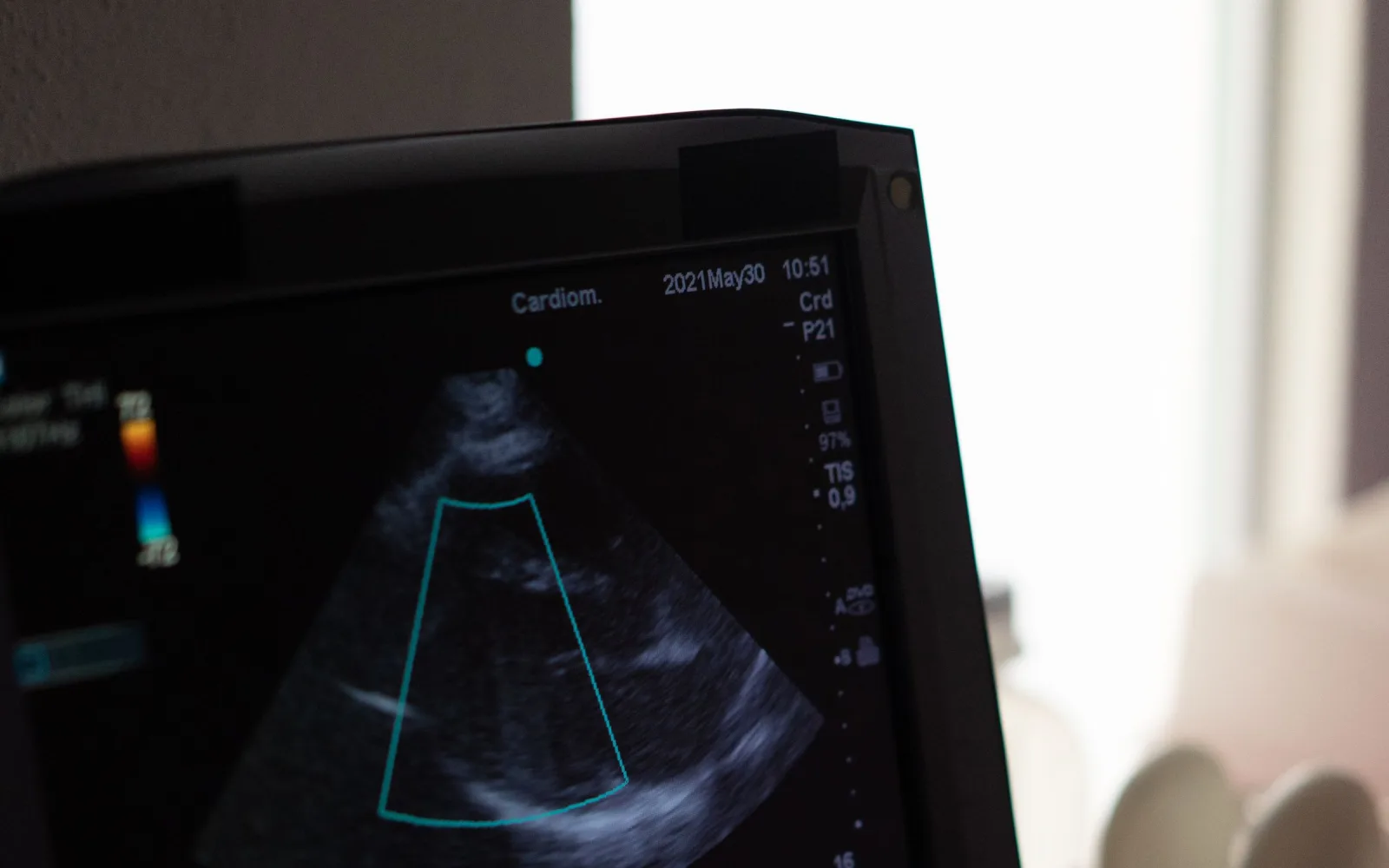
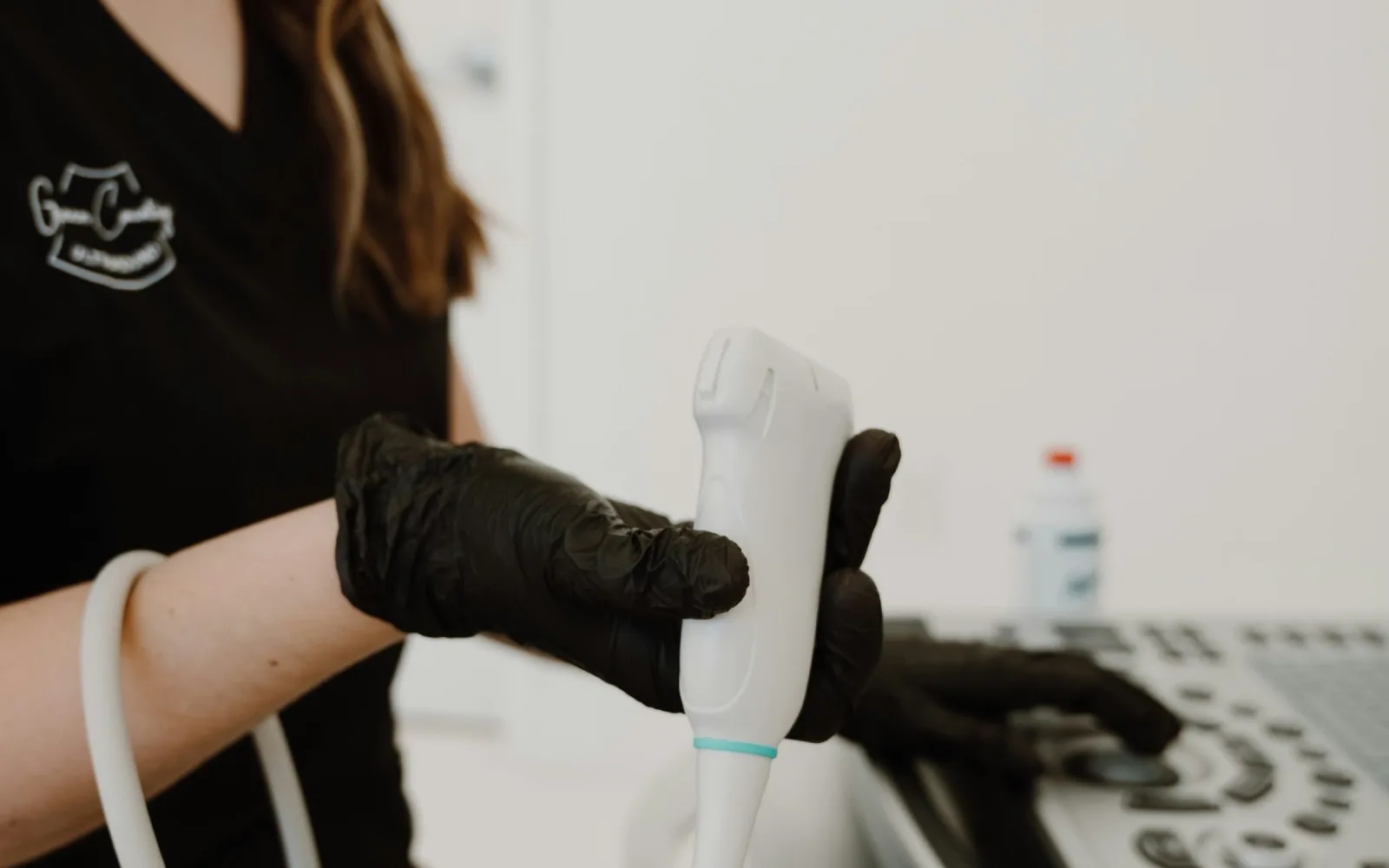
A 2D Echo gives moving, cross-section pictures of the heart as it beats. The person scanning can measure the four chambers, the thickness of the walls, and how each part of the wall moves. The scan adds Doppler, which measures the speed and direction of blood across each valve.
Reports often quote the ejection fraction, or EF. This is the share of blood the main pumping chamber, the left ventricle, pushes out with each beat. A lower figure means the heart is pumping less strongly. Your doctor uses it to guide treatment and to follow you over time.
An Echo also shows valves that leak or are narrowed, fluid around the heart, holes between the chambers, and an estimate of pressure in the lung artery.
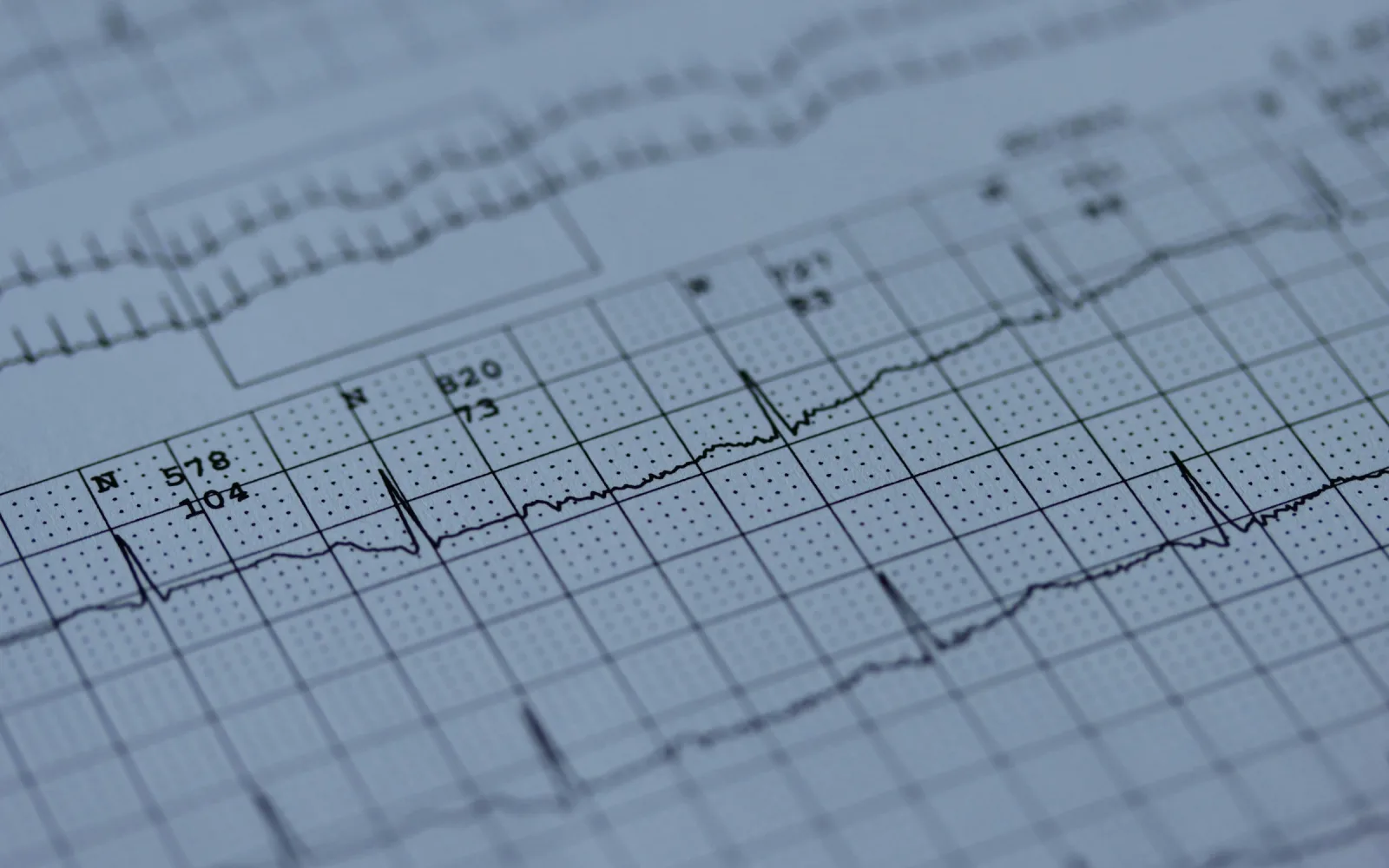
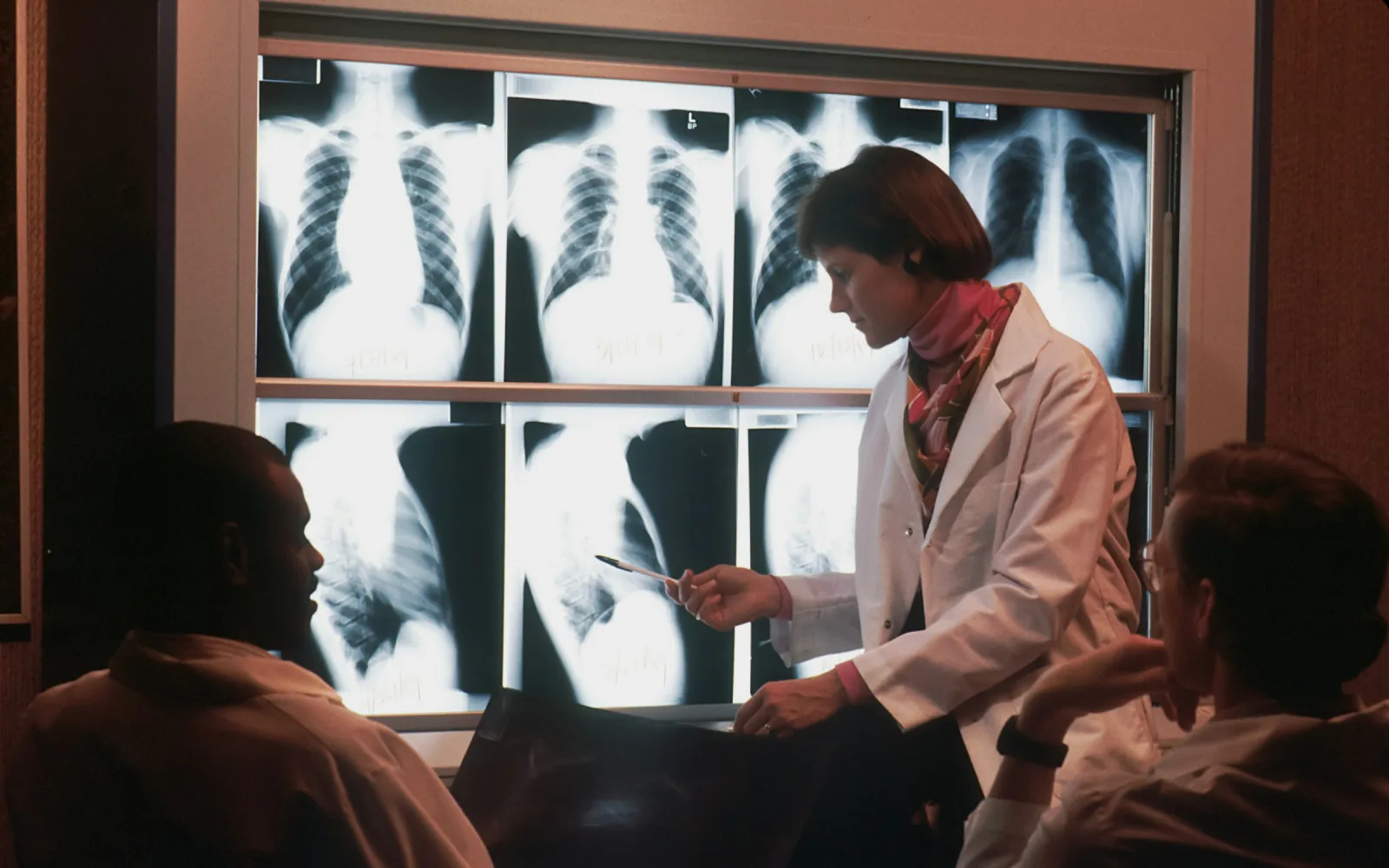
It does not reliably show the coronary arteries, so it cannot say directly whether they are blocked. Heart rhythm is recorded by an ECG, a different test that doctors often ask for on the same day. A chest X-ray shows the outline of the heart and the lungs, not the pumping or the valves.
Who is sent for a 2D Echo?
A doctor asks for an Echo when a question about the heart's structure or pumping needs an answer. The usual reasons are these.
- Breathlessness, tiredness or ankle swelling that the doctor suspects may come from the heart.
- A murmur, an extra whooshing sound heard through the stethoscope, to check the valves.
- Long-standing high blood pressure or diabetes, to see whether the heart has been affected.
- A past heart attack, heart failure or known heart disease, to follow the pumping strength.
- Before some operations, or during medicines that can strain the heart, such as some cancer treatments.
- Palpitations, fainting or an abnormal ECG, when the doctor wants to look for a structural cause.
An Echo is requested for a reason. If you feel well and nobody has advised one, talk to your doctor before booking.
Standard Echo, stress Echo and TEE
This page covers the standard test, a transthoracic Echo, where the probe rests on the chest wall. Most people mean this when they say "2D Echo". A stress Echo is done after exercise or a medicine that raises the heart rate. A TEE passes a small probe down the food pipe, usually with throat numbing or sedation. Both are different tests with different preparation.
If your doctor has asked for one of them, send us the prescription and the team will confirm what is possible.
You may also see "Colour Doppler Echo" on a prescription. That is part of the standard test, not an extra one. It is not the same as the Doppler studies of leg, neck or kidney vessels, which are separate scans.
What happens during an Echo
-
1
Booking
Send the prescription and a line on why it was advised. The team confirms the test and tells you how to dress.
-
2
Getting ready
You remove clothing from the upper body and lie on a couch, usually on your left side with your left arm raised. You may be given a gown or sheet.
-
3
Chest stickers
Small stickers may be placed on the chest to link the pictures to your heartbeat. They only listen. No current passes into your body.
-
4
The scan
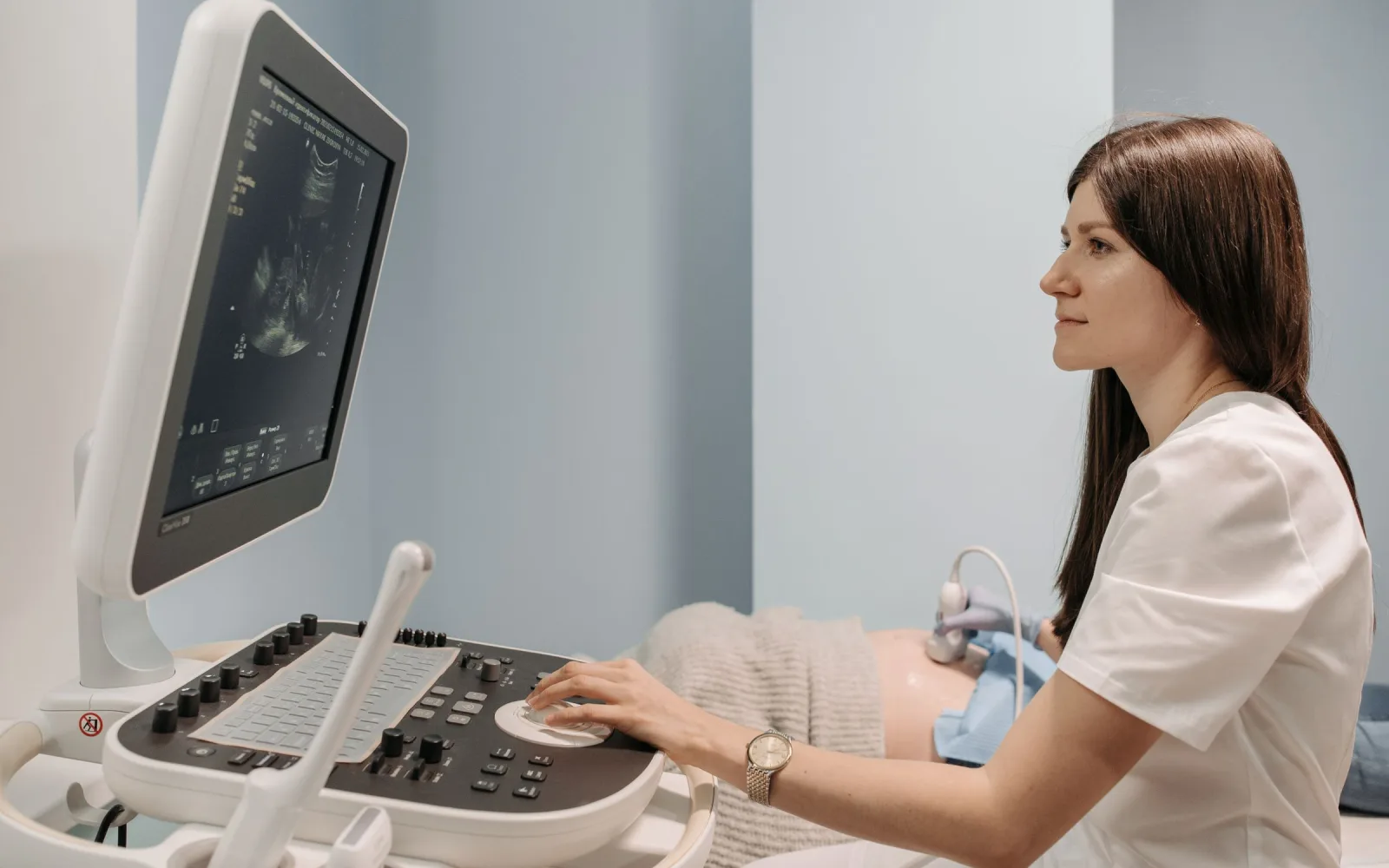
Warm gel goes on the chest and the probe is pressed between the ribs, at the breastbone, and sometimes under the ribs. The room may be dim. You will hear whooshing sounds, which is blood flow, and may be asked to breathe in, hold or breathe out.
-
5
Your report
The measurements and findings go into a written report. The team will say at booking when you can expect it.
-
6
Back to your doctor
The doctor who asked for the Echo reads it with your symptoms, ECG and examination, and explains what it means for you.
Preparation and aftercare
Before your visit
- No fasting is usually needed. Eat and drink as normal.
- Take your regular medicines. Do not stop prescribed medicines unless your doctor tells you to.
- Wear a loose two-piece outfit or a top that opens at the front, since the chest must be bare for the scan.
- Avoid body lotion or oil on the chest. The stickers do not hold on greasy skin.
- Tell the team if you feel unwell or have chest pain on the day.
Please bring
- Your doctor's prescription
- Earlier Echo reports and images
- ECG tracings, cardiology papers or a recent discharge summary
- A list of your medicines
After your visit
- There is no recovery time. Dress, wipe off the gel and carry on with food, driving and work.
- Take the report to the doctor who asked for the Echo. Do not change or stop medicines on the basis of the report.
- Keep every Echo report. The next one is read against this one.
An Echo is not for emergencies
Call 112 or go straight to a hospital emergency department if you have:
- Chest pain or pressure that lasts more than a few minutes, or spreads to the arm, jaw or back.
- Sudden or severe breathlessness.
- Fainting, or a racing heartbeat with dizziness.
- Swelling of both legs that is new and comes with breathlessness.
2D Echo: common questions
Can a 2D Echo replace an ECG?
No. An ECG records the electrical rhythm of the heart. An Echo pictures the muscle and valves. They answer different questions, and many people need both. A normal Echo does not rule out a rhythm problem, and a normal ECG does not show how well the heart pumps.
Does a 2D Echo hurt?
No. There is no needle. You feel the cool or warm gel and firm pressure from the probe between the ribs, which can be tender if the chest is sore. Lying on your left side for the scan can tire you. Tell the person scanning if anything hurts.
Do I need to fast before an Echo?
No, a routine transthoracic Echo needs no fasting. Eat and drink as usual and take your medicines. If other tests are booked for the same day, the team will tell you whether those need fasting.
How long does a 2D Echo take?
The scan often takes 20 to 40 minutes, and longer when the pictures are hard to get or a valve needs detailed measurement. Add time for check-in and changing. The team will tell you the report timing when you book.
Can an Echo detect a blockage or a heart attack?
Not directly. An Echo does not show the coronary arteries. It can show a part of the heart wall that moves weakly after a heart attack. Blockages are looked for with other tests that your cardiologist chooses. Chest pain happening now needs an emergency department, not an Echo.
Is an Echo safe, and can it be repeated?
Yes. It uses sound waves, not radiation, so it can be repeated as often as your doctor needs. It is also used during pregnancy when a heart question arises.
Can I have a 2D Echo without a prescription?
An Echo is reported alongside your symptoms, so a doctor's note helps the team and the doctor who reads it. If you do not have one, message the team first and they will tell you what is possible.
Where can I get a 2D Echo near me in Gomti Nagar?
The centre is in Vijayant Khand, near Kathauta Chauraha, Gomti Nagar (4/12, Lucknow 226010). Book on WhatsApp at +91 70809 82920 or by phone on 0522-3180995, and send the prescription so the team can check what else to bring.
Related services
Tests and care that often go together
Appointments
Book 2D Echo in Gomti Nagar, Lucknow
Message us on WhatsApp or call the centre. Tell us the test you need and your preferred day, and the team will confirm the details.
4/12, Vijayant Khand, Gomti Nagar · 0522-3180995