Image-Guided Procedures • Gomti Nagar
Interventional Radiology in Gomti Nagar, Lucknow
Interventional radiology treats or samples a problem through a needle or thin tube, guided by imaging, with small cuts instead of open surgery. Here is how the team reviews a case and what each procedure involves.
- Vijayant Khand, Gomti Nagar, Lucknow
- Mon to Sat 9 AM to 8 PM, Sun 10 AM to 2 PM
- What it is
- Needle or tube work guided by imaging
- First step
- Review of your referral and reports
- Open
- Mon to Sat 9 to 8, Sun 10 to 2
- Booking
- WhatsApp or phone
Procedures covered in these pages
Needle sampling
A thin needle takes cells or tissue from a lump or organ so a pathologist can examine them.
FNAC
Thin-needle cell sampling for thyroid nodules, lymph nodes and lumps.
Learn more
USG-Guided FNAC
FNAC with live ultrasound, for small, deep or hard-to-feel lumps.
Learn more
Image-Guided Biopsy
Image-guided needle biopsy of the liver, glands, thyroid and soft-tissue lumps.
Learn more
Ultrasound-Guided Biopsy
Core needle biopsy with live ultrasound, with planning for blood thinners.
Learn moreDraining fluid and blockages
A needle or thin tube removes fluid or pus, or relieves a blocked bile duct.
PCD Procedure
Drainage of an abscess or fluid collection through a thin tube.
Learn more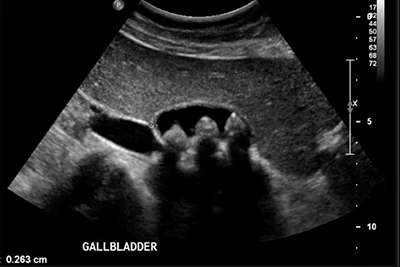
PTBD
A drain through the liver to relieve a blocked bile duct.
Learn more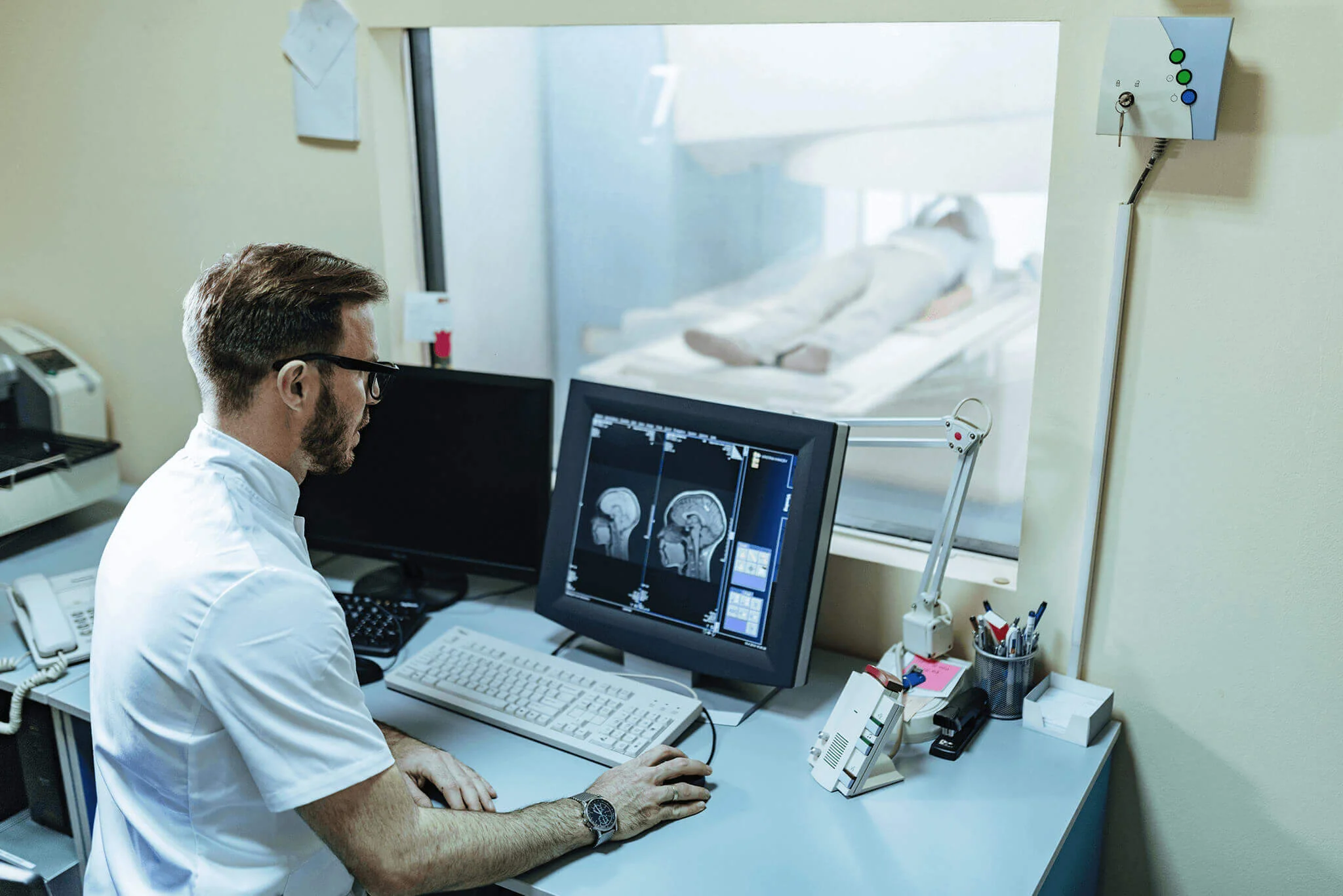
Biliary Stenting
A small tube that holds a blocked bile duct open so bile can drain.
Learn more
Ascitic Tap
Fluid drawn from the abdomen, for relief or for testing.
Learn more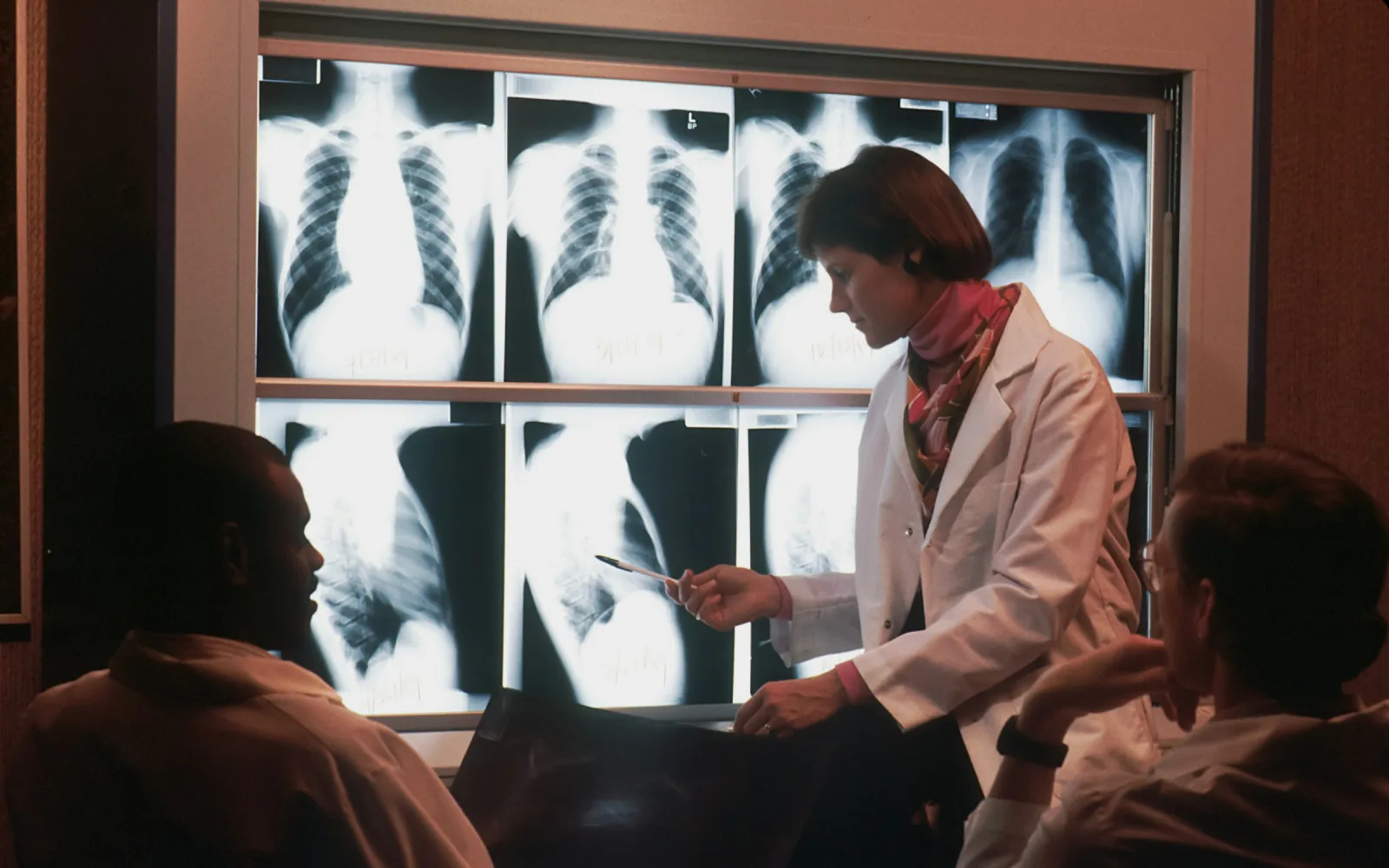
Pleural Tap
Fluid drawn from around the lung, guided by ultrasound.
Learn morePain relief
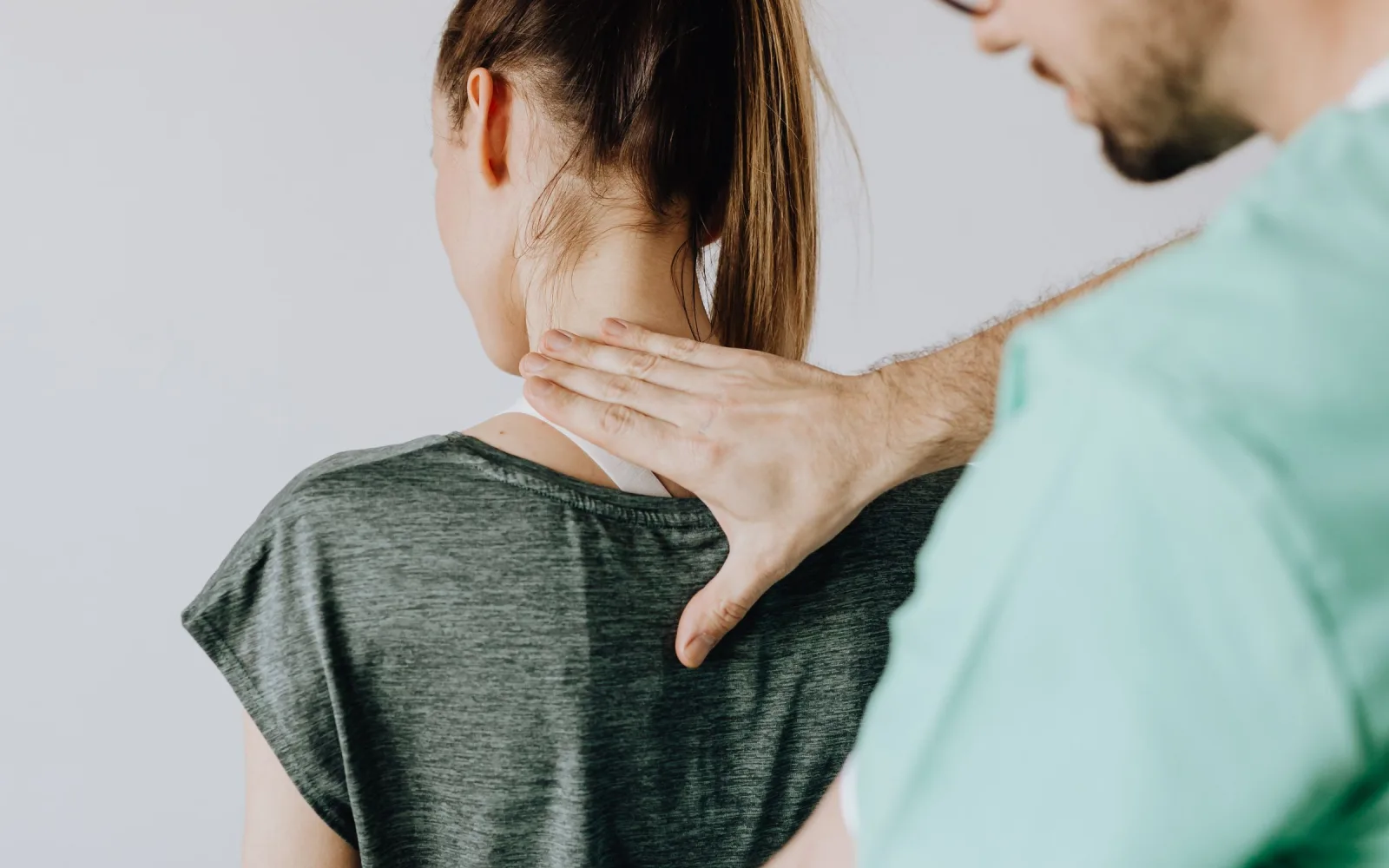
A guided injection placed beside a painful joint, tendon or nerve.
Veins, arteries and access lines
Treating vein and artery problems, and placing lines for dialysis or long-term medicines.
Varicose Vein Treatment
Swollen leg veins: Doppler vein mapping first, then compression, injection or endovenous options.
Learn more
Varicocele Embolization
Blocking the faulty testicular vein for scrotal pain or fertility concerns, after a Doppler scan.
Learn more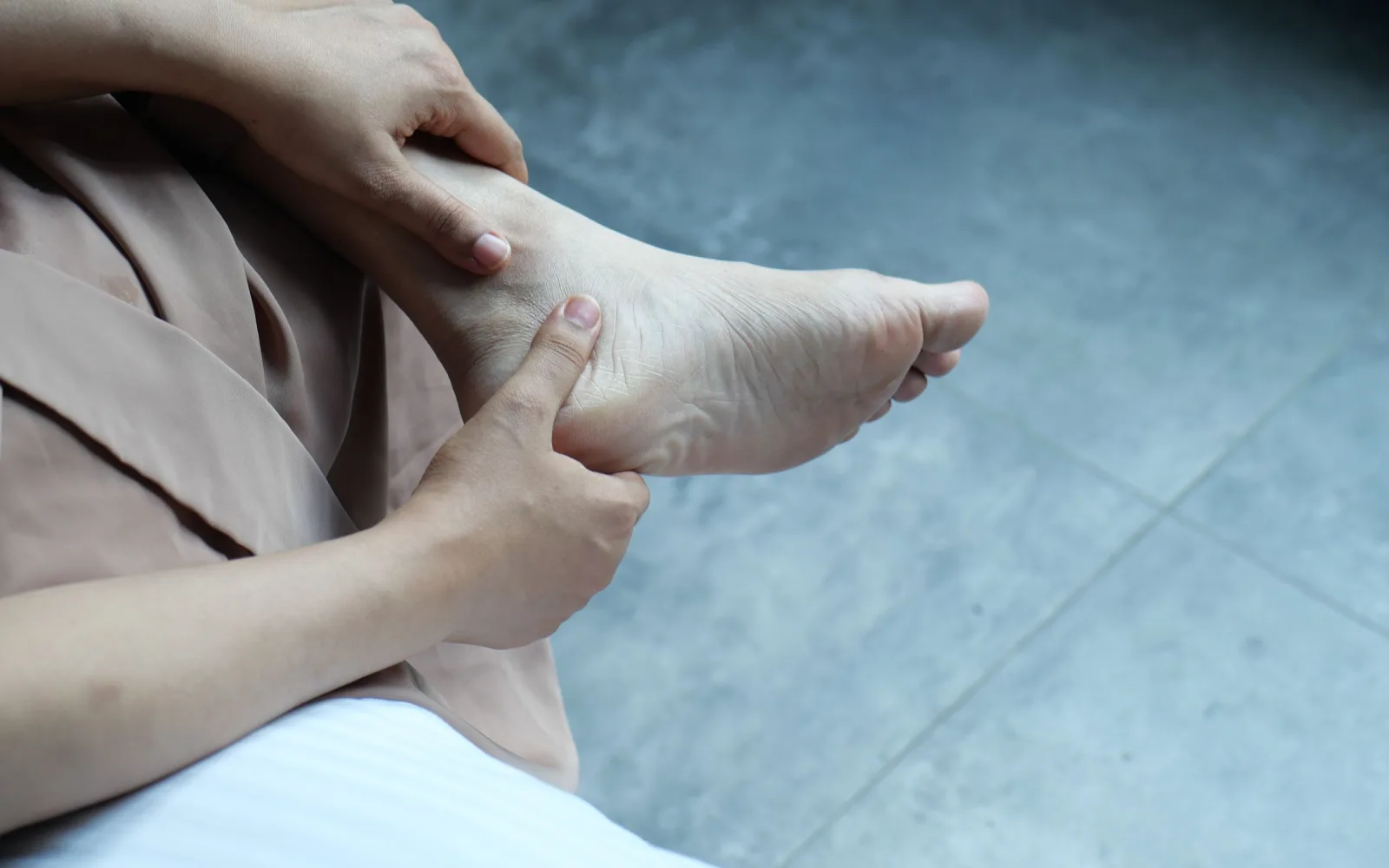
Diabetic Foot Angioplasty
Opening narrowed leg arteries so that a diabetic foot wound gets the blood it needs to heal.
Learn more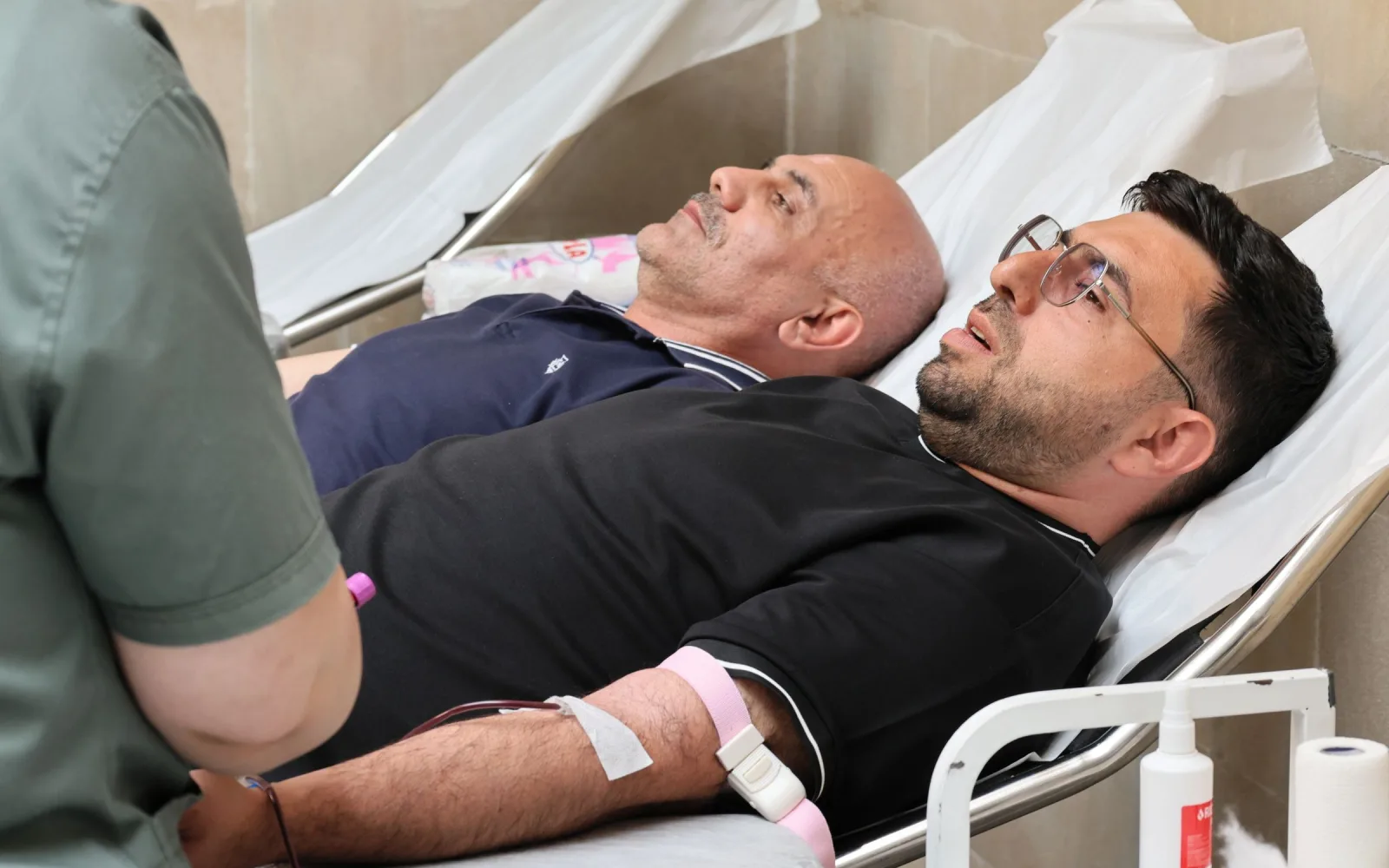
Haemodialysis Fistuloplasty
Balloon opening of a narrowed dialysis fistula, planned with your kidney specialist and dialysis unit.
Learn more
Permacath Placement
A tunnelled dialysis catheter in a neck vein, with care and infection guidance.
Learn more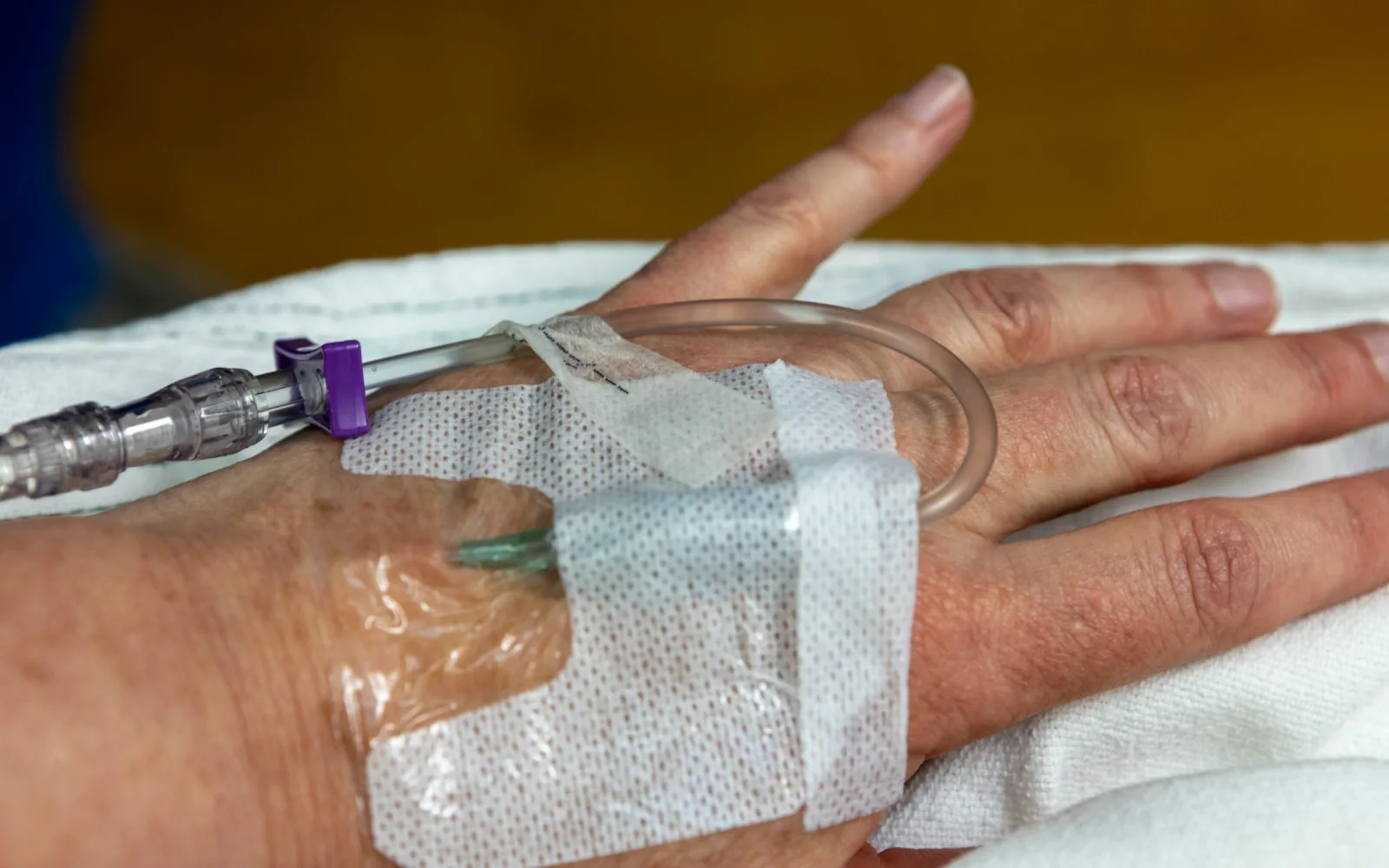
PICC Line Placement
A long thin arm line for chemotherapy, long antibiotic courses and other extended treatment.
Learn moreAblation
Heat or other energy delivered through a needle to destroy a small abnormal area.
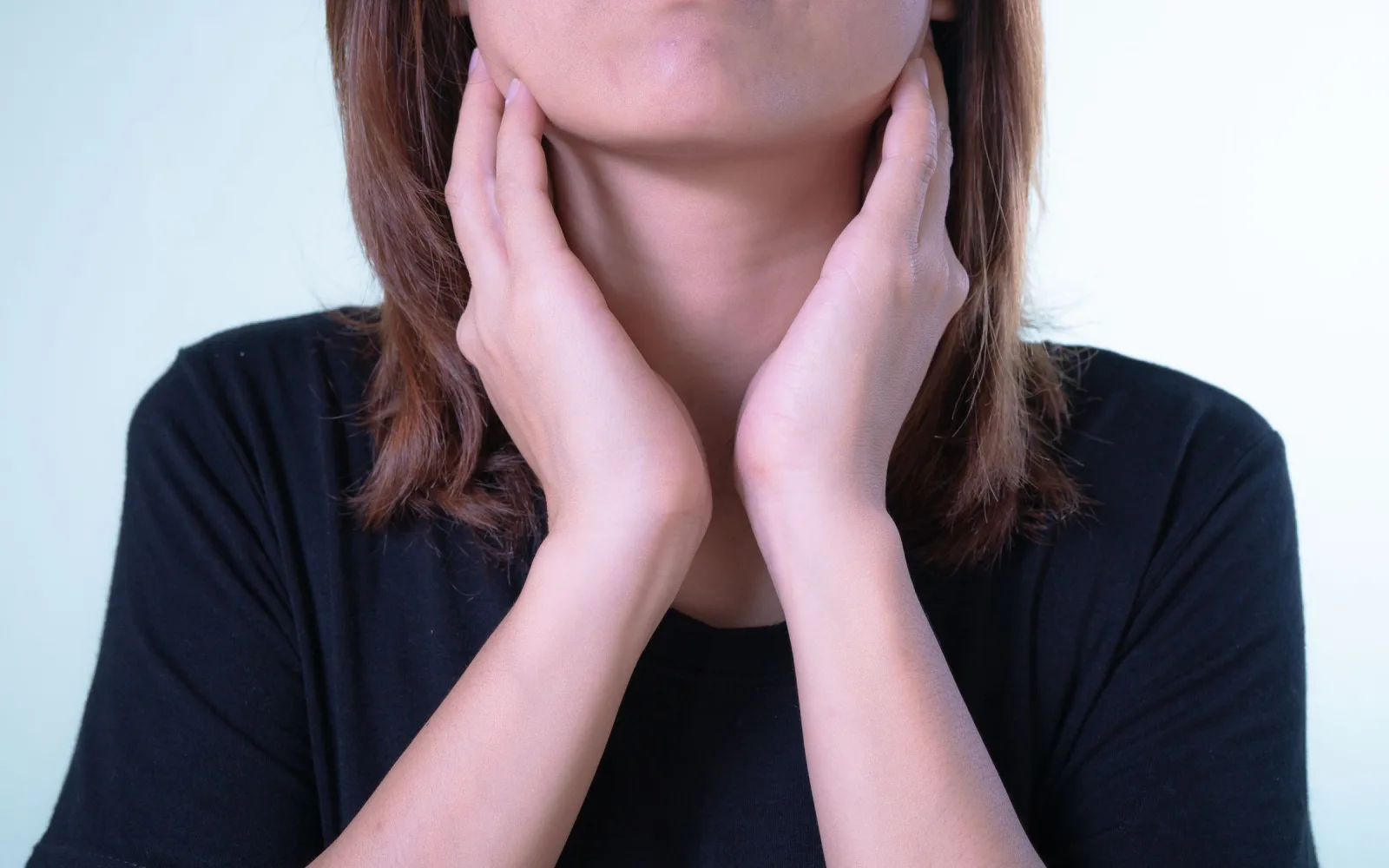
Thyroid Nodule Ablation
Ultrasound-guided shrinking of a benign thyroid nodule, after a biopsy has confirmed it is not cancer.
Learn more
Parathyroid Ablation
An option for a few people with one overactive parathyroid gland, after calcium and PTH tests.
Learn more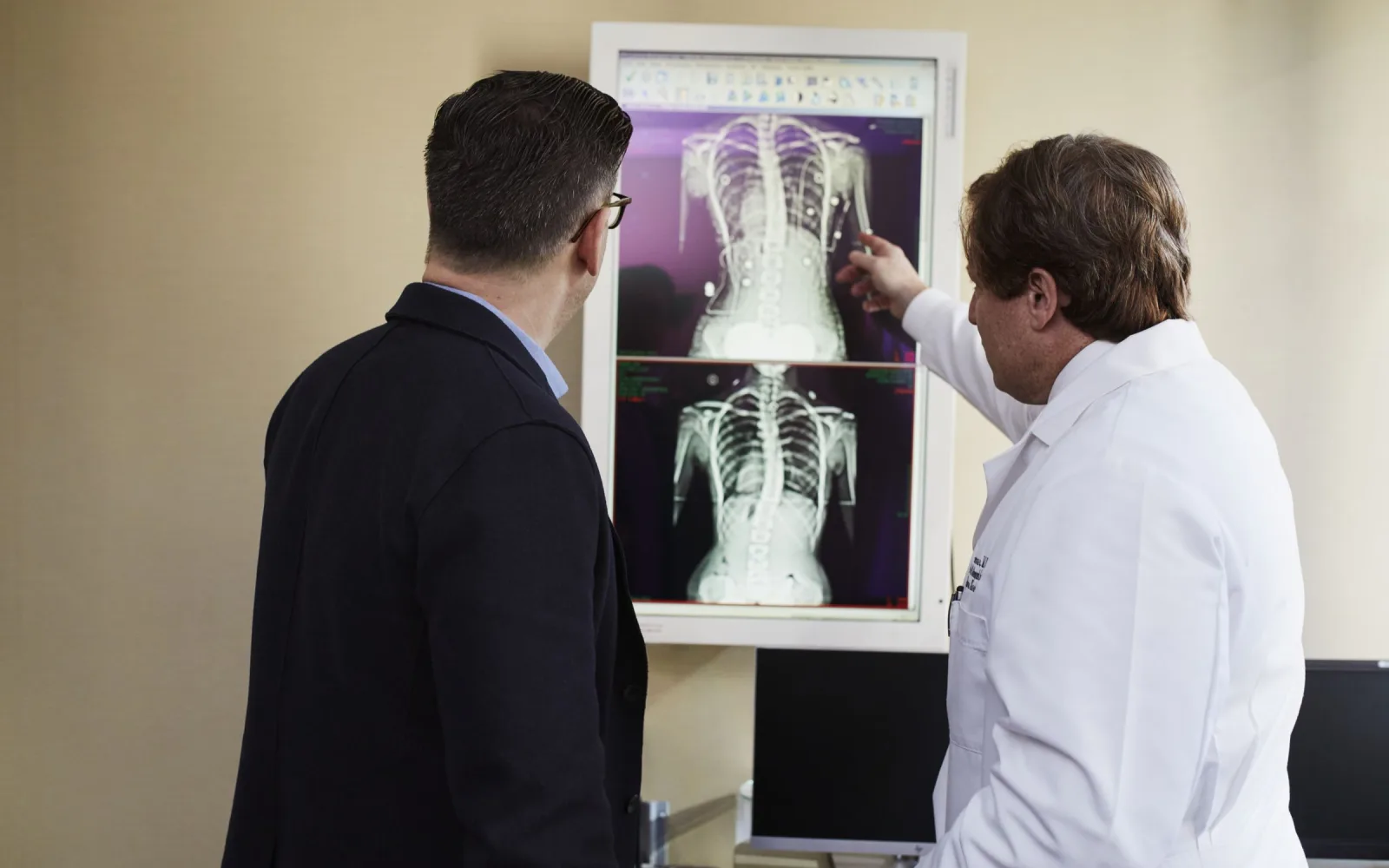
Osteoid Osteoma Ablation
A small painful bone growth, treated through a probe placed under imaging.
Learn more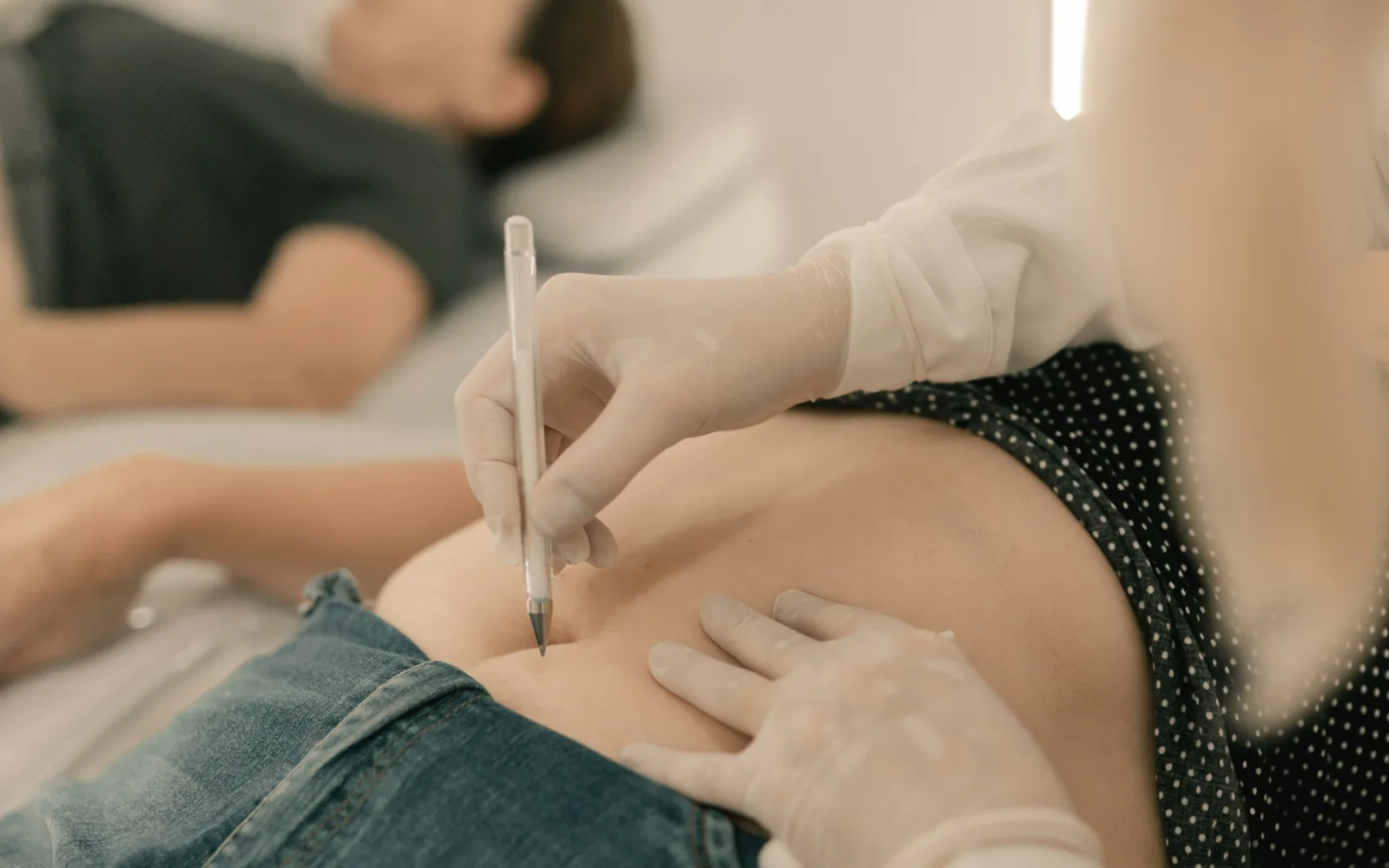
Liver Tumour Ablation
Heat treatment through a needle for selected small liver tumours.
Learn moreEmbolization
Blocking the blood supply to a tumour, fibroid or bleeding vessel through a thin catheter.
Transarterial Liver Tumour Treatment
Treatment delivered through the artery feeding a liver tumour, for selected patients.
Learn more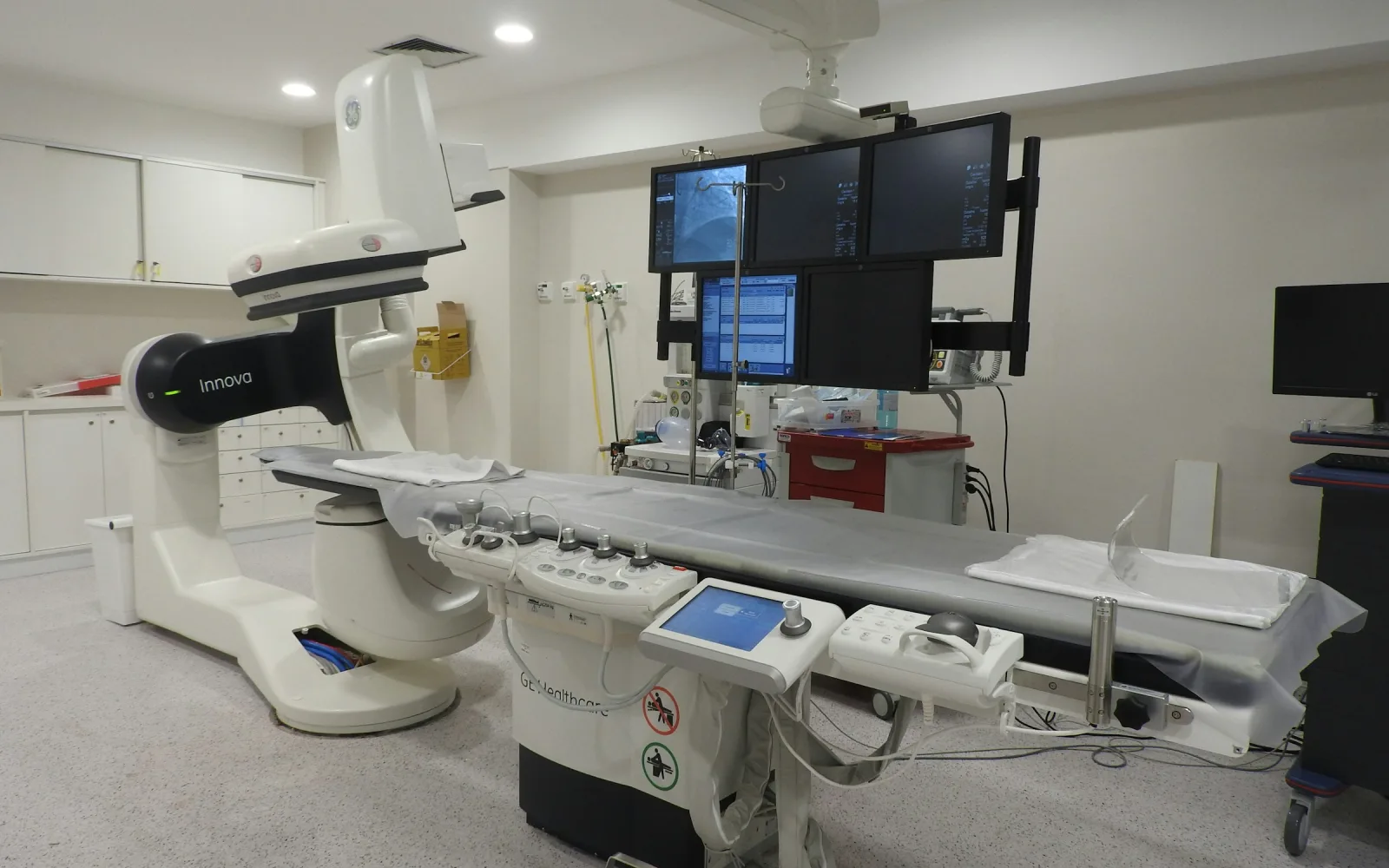
Uterine Fibroid Embolization
An artery-based option for fibroids that cause heavy periods or pelvic pressure.
Learn more
Bronchial Artery Embolization
An artery-blocking procedure for selected cases of coughing up blood.
Learn more
Renal Artery Embolization
Blocking a bleeding kidney artery in selected cases of blood in the urine.
Learn moreWhat interventional radiology means
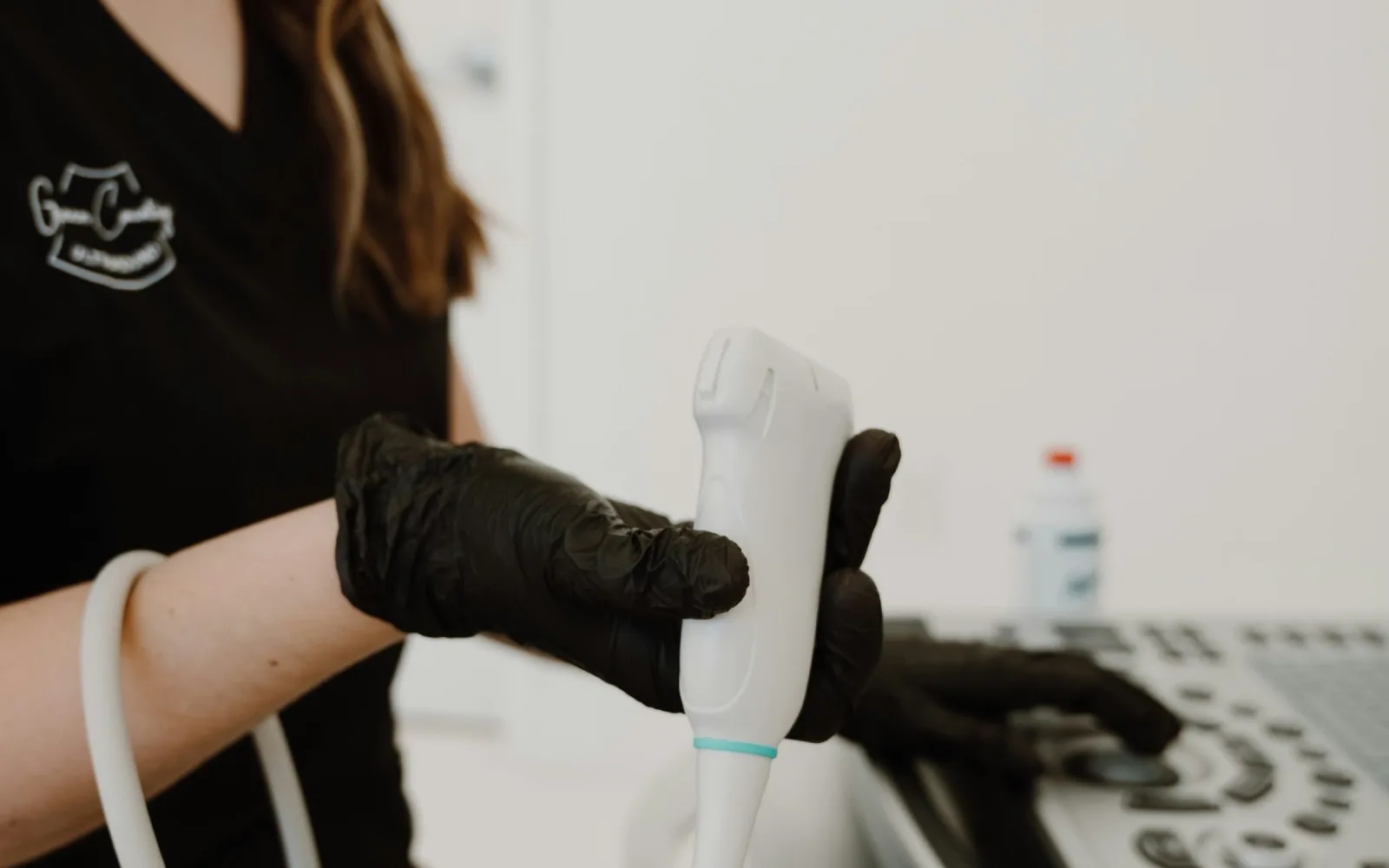
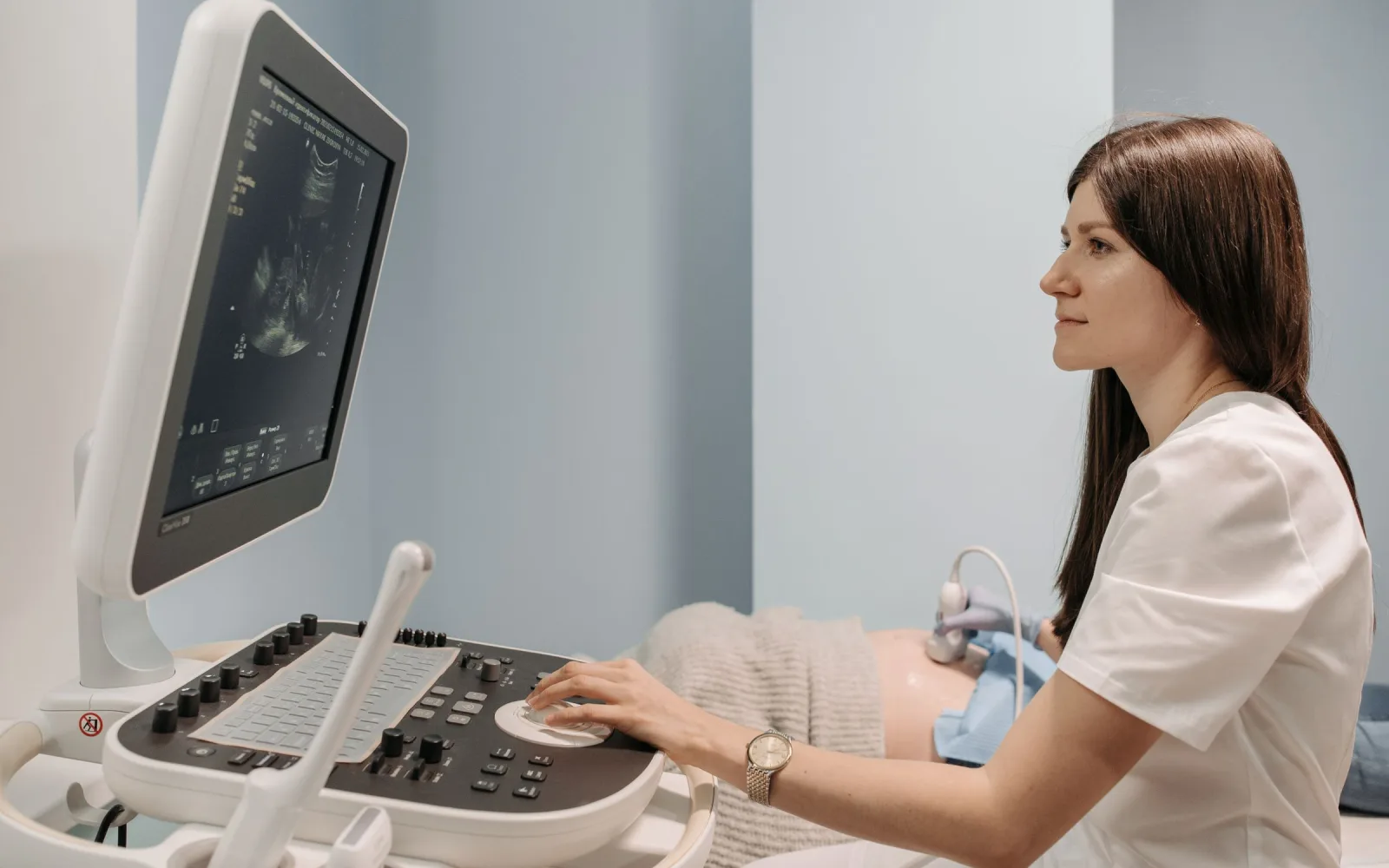
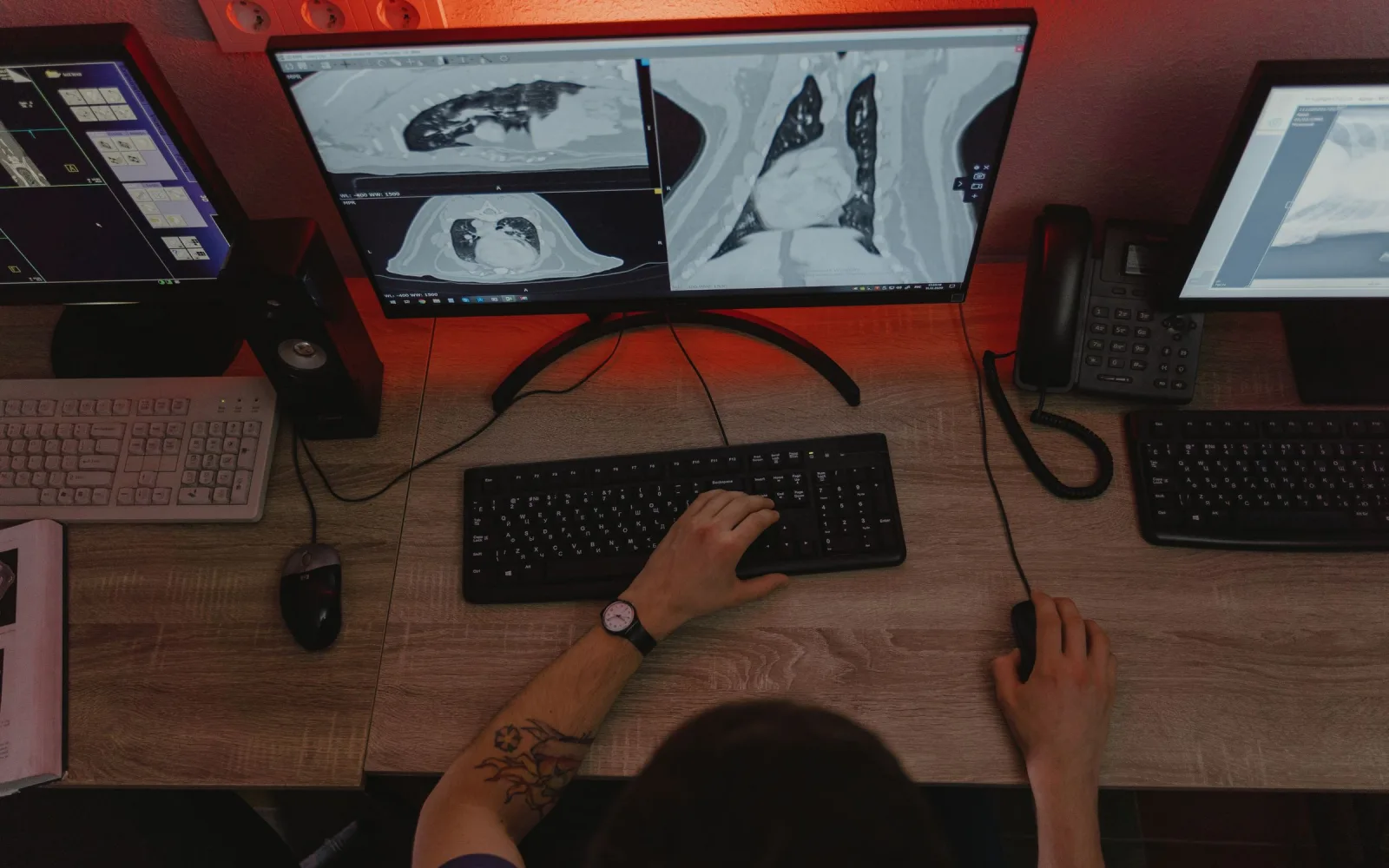
Interventional radiology is the use of imaging to guide a needle, or a thin flexible tube called a catheter, to the exact place that needs attention. Ultrasound or live X-ray pictures show the doctor where the instrument is at every moment. The doctor works through a needle hole or a cut of a few millimetres, not an open operation.
A diagnostic scan, such as an ultrasound or an X-ray, looks and reports. An interventional procedure acts. It may take a sample from a lump, drain a collection of fluid or open a narrowed vessel. It may also block the blood supply to a tumour or place a line for long-term treatment.
Because something is done to you rather than only looked at, a procedure needs more preparation than a scan. You hear the benefits, the risks and the alternatives, and you give consent first. Whether any sedation or anaesthesia is needed, where it would be given and by whom, is confirmed for each case after the review.
How a procedure is planned
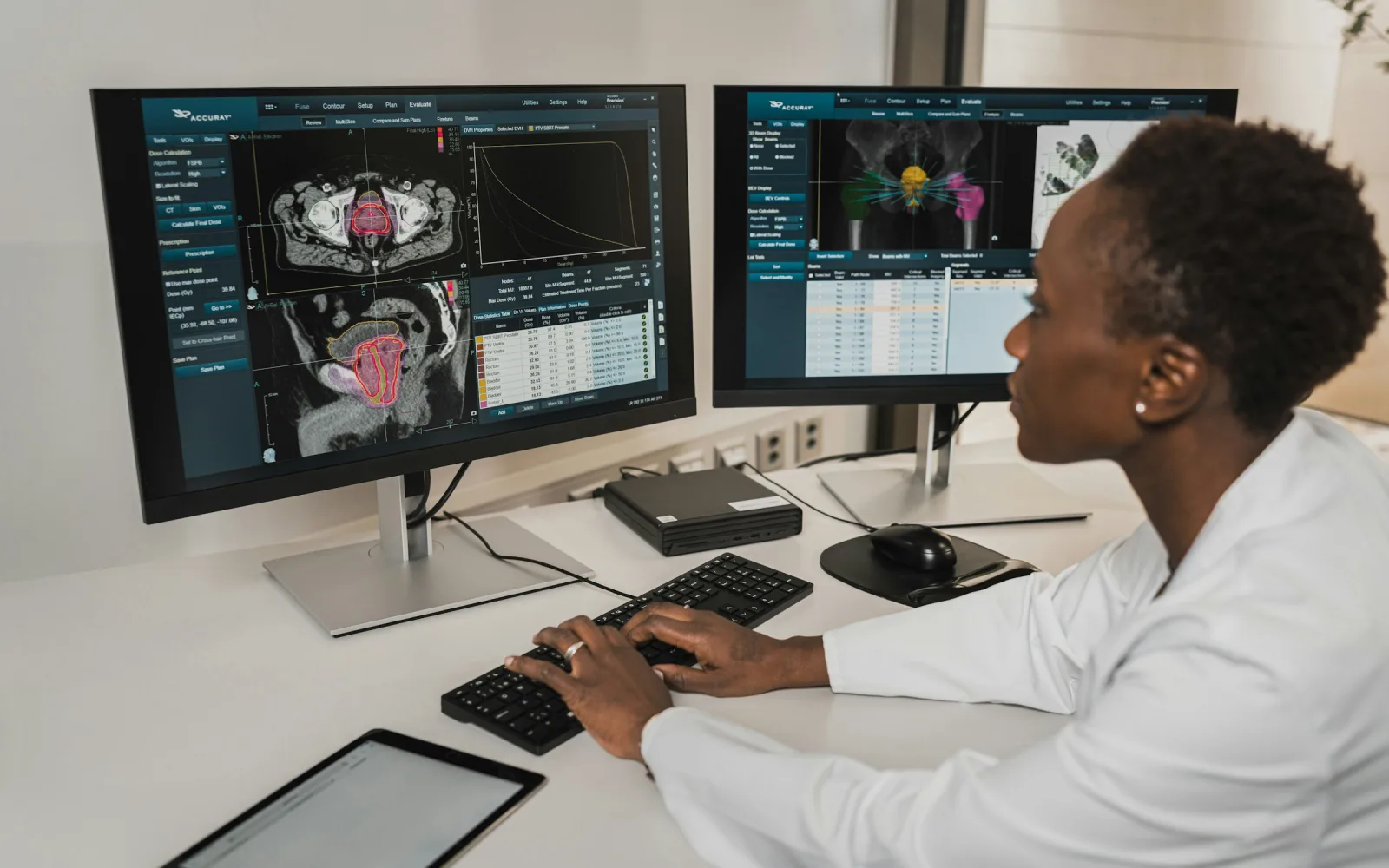
Planning starts with paperwork and images, not a needle. The team reads your referral and looks at your earlier scans and reports. It checks your recent blood tests, your current medicines and any allergies. Then it works out four things.
- Is it needed? Whether the procedure answers your doctor's question, or treats the problem better than the alternatives.
- Is it safe for you? Whether the images show a clear path to the target, and whether your blood counts, clotting and general health allow it.
- Where should it be done? Whether the procedure can be carried out at the centre or is better done elsewhere. This is confirmed only after the review.
- Who will do it? The responsible team is also confirmed for each case.
You hear the answer before any date is fixed. Sometimes another test, another procedure or no procedure at all is the better choice, and the team will say so.
What to bring to your first visit
Bring everything that tells the story of the problem. Reports are useful, but the images themselves are better, because the radiologist can look at them directly.
- The referral or prescription from the doctor who advised the procedure.
- Earlier scans, such as ultrasound or X-ray, on film, on a disc or on your phone, with their reports.
- Recent blood tests, especially blood counts, liver and kidney tests and clotting tests.
- A list of all your medicines with doses. Mark any blood thinners, aspirin, insulin or diabetes tablets.
- Earlier biopsy or pathology reports and hospital discharge papers.
- A relative or friend who can listen with you and travel home with you.
We do not have an MRI or CT scanner, so your doctor will advise where to have one, and we can review the images and report.
To book a first visit, message the centre on WhatsApp or call 0522-3180995. Send the prescription first if you can, and the team will tell you what else to bring. Do not stop any prescribed medicine yourself. If you take a blood thinner, tell the team and your doctor, who decide together whether anything should change.
Interventional Radiology: common questions
Is interventional radiology the same as surgery?
No. Surgery opens the body to reach a problem. Interventional radiology reaches it through a needle or a thin tube, guided by images, so the cuts are small. Some conditions still need surgery, and some people need both. Your doctors decide which is right for you.
Do you do every procedure listed here?
Not automatically. Each procedure has its own page so you can read about it. Whether a particular one is done at this centre or elsewhere, and by whom, is confirmed only after the team reviews your referral, images and reports.
Do I need a referral before I come?
Yes, in almost every case. A procedure is a medical decision, so it follows a prescription or a note from the doctor treating you. If you do not have one, message us and the team will tell you the right next step.
Will I need to stay in hospital?
It depends on the procedure and on how well you are. After a needle sample you may need only a short rest. Placing a drain or blocking an artery can call for a stay in hospital. If a stay is advised, the team explains where and why when the procedure is planned.
Should I stop my blood thinner before a procedure?
Do not stop it yourself. Tell the team and the doctor who prescribed it about every blood thinner, including aspirin. Whether to pause one, and for how long, is decided by that doctor together with the procedure team, because stopping can be risky for some people.
How safe are image-guided procedures?
They avoid the large cuts of open surgery, but no procedure is free of risk. The usual risks are bleeding, infection and injury to a nearby structure, and each page lists the ones that matter for that procedure. The team goes through them with you before you consent.
Where can I find interventional radiology near Gomti Nagar?
The centre is at 4/12, Vijayant Khand, near Kathauta Chauraha, Gomti Nagar, Lucknow 226010, open Monday to Saturday 9 AM to 8 PM and Sunday 10 AM to 2 PM. If you are coming from Indira Nagar, Gomti Nagar Extension or Faizabad Road, message first on WhatsApp at +91 70809 82920 or call 0522-3180995. The team reviews your papers and tells you whether and where the procedure can be done.
Related services
Tests and care that often go together
Appointments
Book Interventional Radiology in Gomti Nagar, Lucknow
Message us on WhatsApp or call the centre. Tell us the test you need and your preferred day, and the team will confirm the details.
4/12, Vijayant Khand, Gomti Nagar · 0522-3180995