Dr. Akanksha Bajpai
Radiologist
- MBBS, MD
- Ex. PGI Chandigarh
- Ex Consultant, Fortis Hospital, Mohali
Her profile supports diagnostic imaging, ultrasound, radiology and patient-focused interpretation.
Read her profile4/12, Vijayant Khand, Gomti Nagar, Lucknow Mon–Sat 9 AM–8 PM · Sun 10 AM–2 PM
Diagnostic Imaging • Gomti Nagar
A comfortable, radiation-free scan that uses sound waves to look at your abdomen, pelvis, pregnancy, thyroid, joints and soft tissues, at our centre in Vijayant Khand.
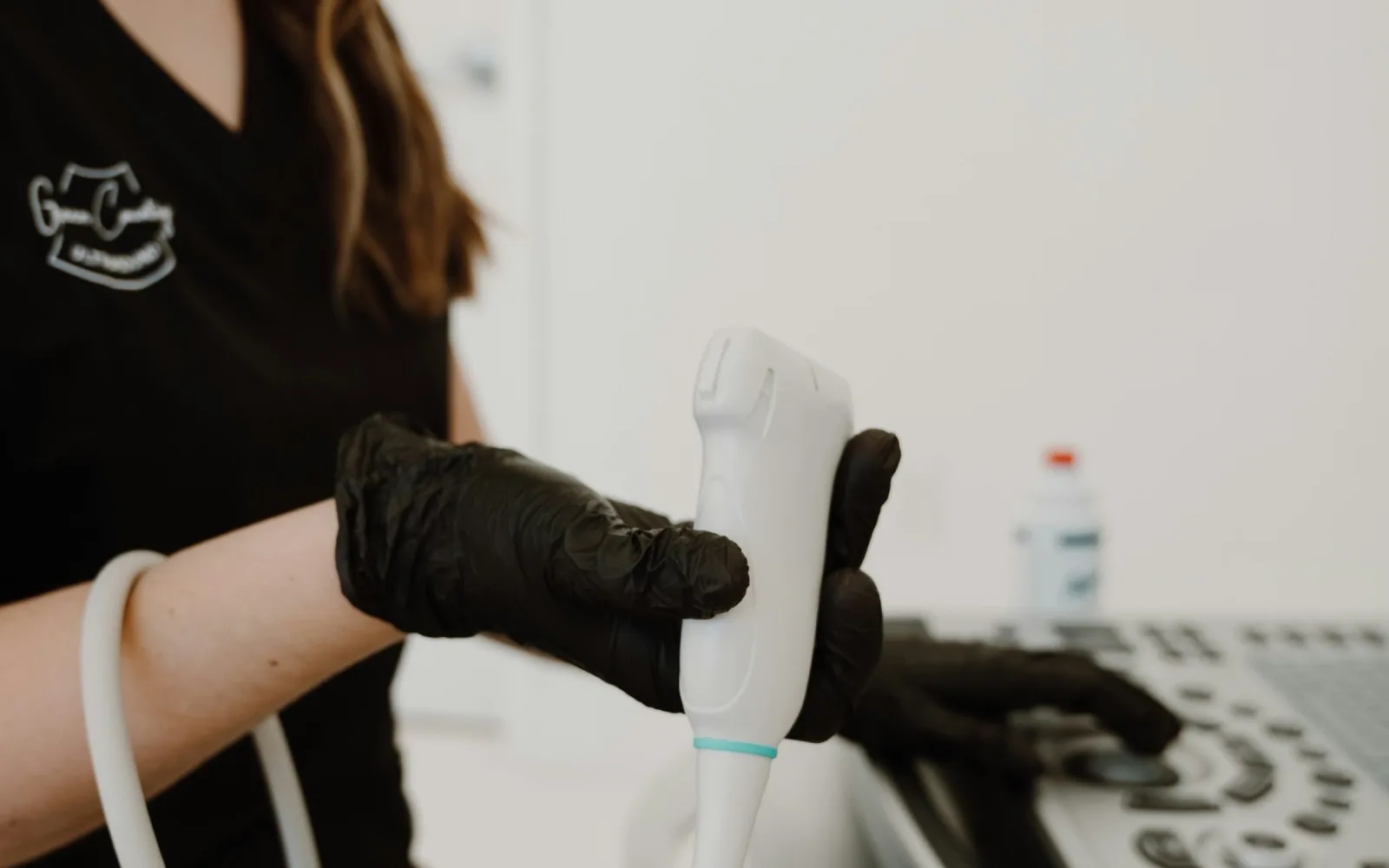
A small handheld probe sends sound waves into the body and listens for the echoes. A computer turns those echoes into moving pictures, so the radiologist can watch organs, measure them and see blood or fluid moving inside them.
Ultrasound works best on soft tissue and fluid: the liver, gallbladder, kidneys, bladder, uterus, ovaries, thyroid, lymph nodes, and the baby during pregnancy. It is also good at telling a fluid-filled cyst from a solid lump.
It has limits. Air and bone block sound waves, so the lungs and most of the skeleton cannot be seen well, and gas in the bowel can hide the pancreas. If a scan cannot answer the question, your doctor may suggest another test. That does not mean the scan failed. Some questions simply need a different tool.
Ultrasound is not one test. The scan is chosen for the body part your doctor wants to look at, and the preparation changes with it. The easiest way to choose is to start from what your doctor wrote on the prescription.
If you are unsure, send the prescription on WhatsApp before you come. The team can tell you which scan it means and how to prepare.
Diagnostic ultrasound uses sound waves, not X-rays, so there is no ionising radiation. It is the standard first scan in pregnancy and is also used for children. There is no injection and no need for recovery time, so you can go straight back to your day.
These are the studies listed for this service. If your prescription names a scan that is not here, message us and we will tell you whether we do it.
Whole, upper and lower abdomen
Liver, gallbladder, pancreas, spleen, kidneys and bladder.
KUB and pelvis
Kidneys, ureters, bladder, and the uterus, ovaries or prostate.
Transvaginal scan and follicular monitoring
Closer pelvic detail and ovulation tracking.
NT/NB, Level II (TIFFA), growth and BPP.
Thyroid and small parts
Thyroid, neck nodes, scrotum and superficial lumps.
Tendons, muscles and fluid around joints.
Done within our breast care service.
Adds blood-flow information where your doctor asks for it.
Message or call us with your prescription. We confirm the scan, a time that works for you and exactly how to prepare.
Arrive a few minutes early. You may be asked to change into a gown or to loosen clothing over the area being scanned.
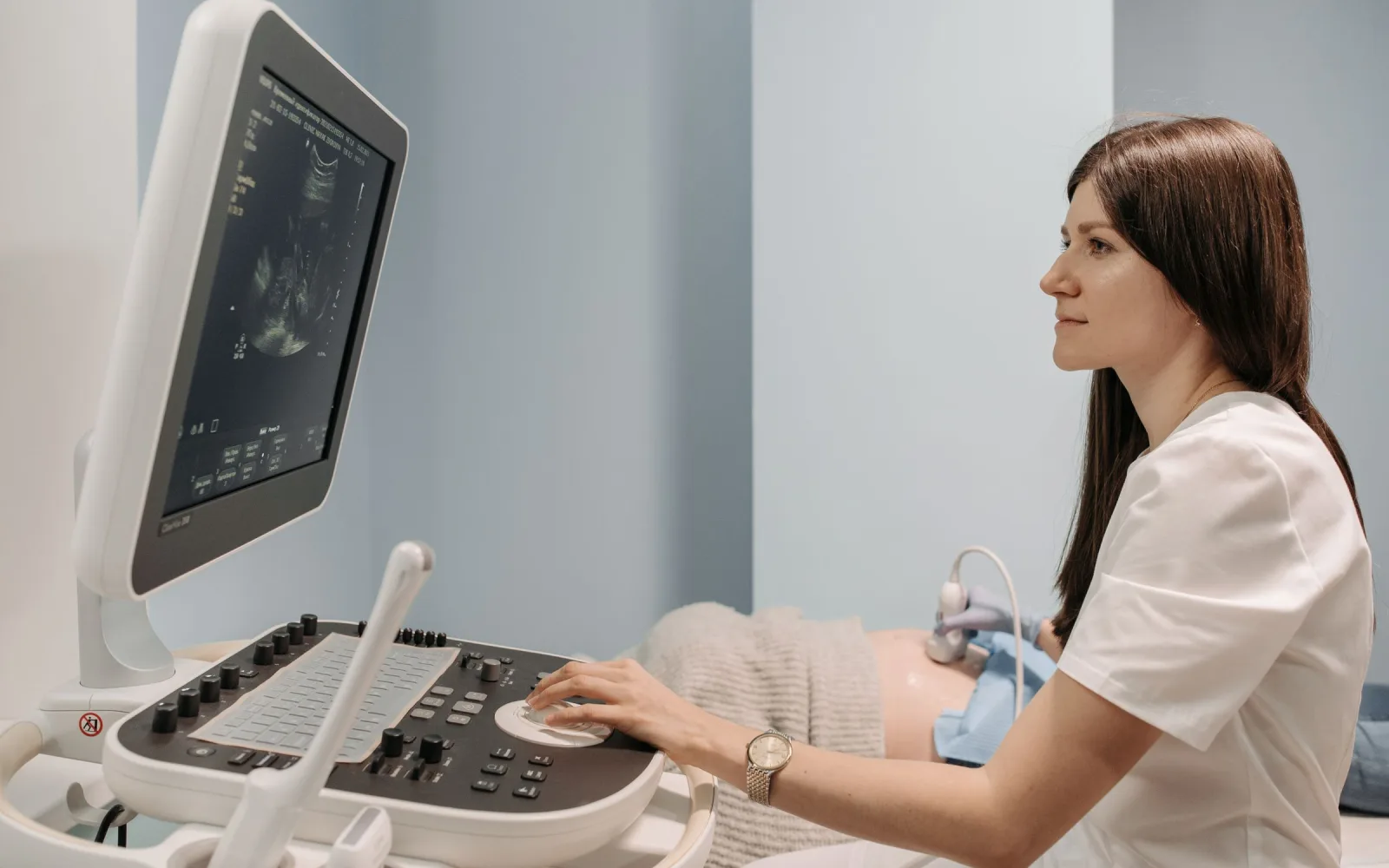
You lie on a couch while warm gel is spread over the skin and the probe is moved across it. You may feel light pressure, and you may be asked to hold your breath for a few seconds.
The radiologist reviews the images and prepares the report. The team will tell you when and how you will receive it.
Take the report to the doctor who sent you. Together they decide whether you need treatment, a repeat scan or another test.
Before your visit
Please bring
After your visit
If something feels seriously wrong, do not wait for a scan appointment. Go to the nearest hospital emergency department if you have:
Dr. Akanksha Bajpai
Radiologist
Her profile supports diagnostic imaging, ultrasound, radiology and patient-focused interpretation.
Read her profileNo. Fasting is needed mainly for abdominal scans, because food and gas make the upper abdomen harder to see. Pelvic scans need a full bladder instead, and thyroid, joint and soft-tissue scans need no preparation. We confirm the exact instructions when you book.
No. The gel is warm and the probe is pressed gently on the skin. You may feel a little pressure, which is more noticeable on a full bladder. A transvaginal scan can feel slightly uncomfortable but should not be painful. Tell the person scanning you if anything hurts.
Most abdominal, pelvic and thyroid scans take 15 to 30 minutes. Detailed pregnancy scans such as the anomaly scan, or scans with Doppler, can take longer, especially if the baby is not in a good position.
Yes. Diagnostic ultrasound uses sound waves, not radiation, and has been used in pregnancy for decades. It should still be done when your doctor advises it, at the right stage of pregnancy.
A standard ultrasound shows the structure of organs. Colour Doppler adds the speed and direction of blood flow. An X-ray uses a small dose of radiation and is better for bones and the chest.
It helps to bring one, since the wording tells the team which part of the body to scan and how to prepare you. Scans in pregnancy are best done on your obstetrician's advice. If you have no prescription, message us before you travel.
The fee depends on the scan. A whole abdomen scan, a pregnancy anomaly scan and a Doppler study are charged differently. Send the prescription on WhatsApp and the team will tell you the fee when you book.
This depends on the scan. The team will tell you when you book or check in, so you can plan your day and your follow-up appointment with your doctor.
Related services
Adds blood-flow information when your doctor needs it.
Learn more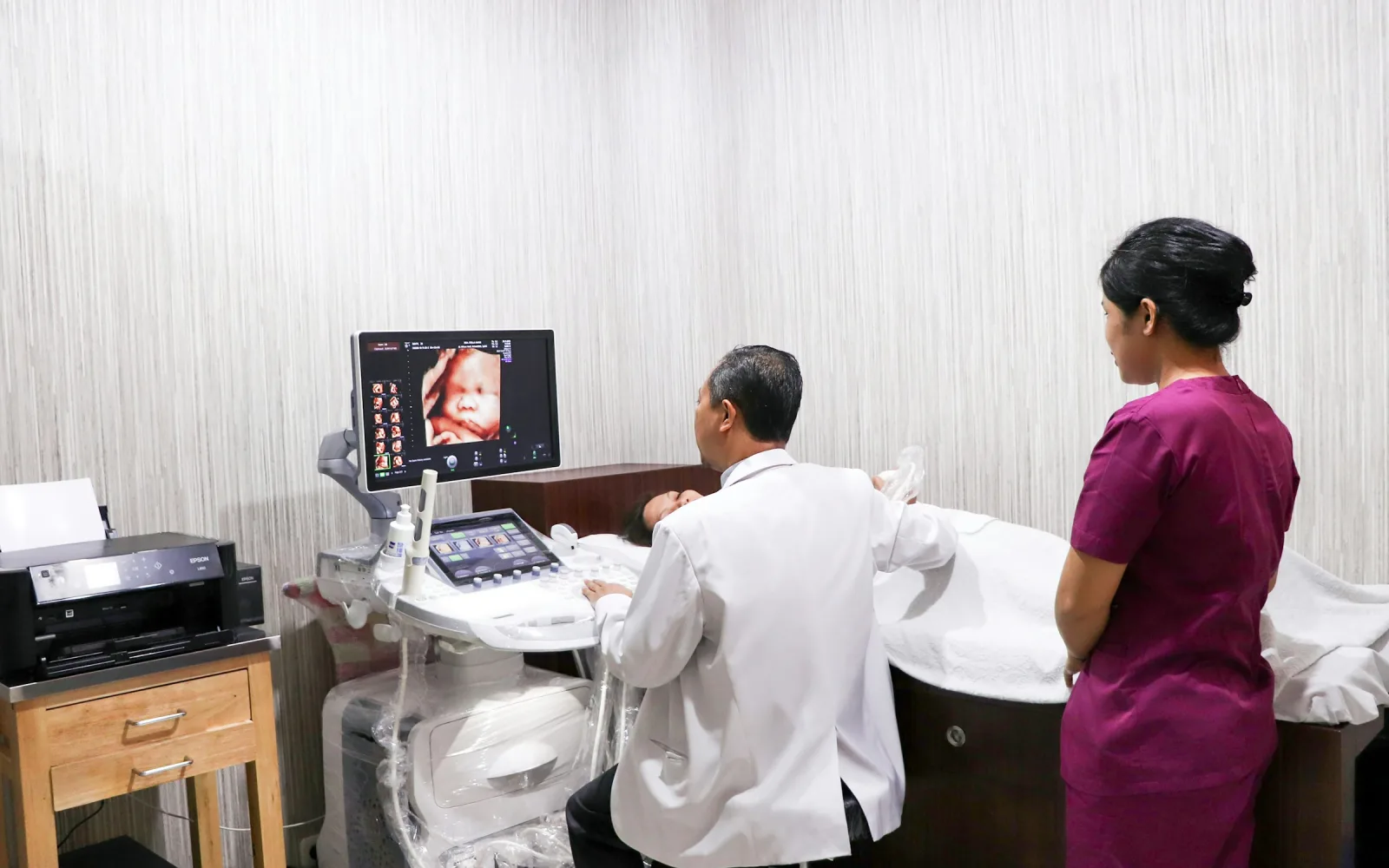
Dating, NT, anomaly and growth scans in pregnancy.
Learn more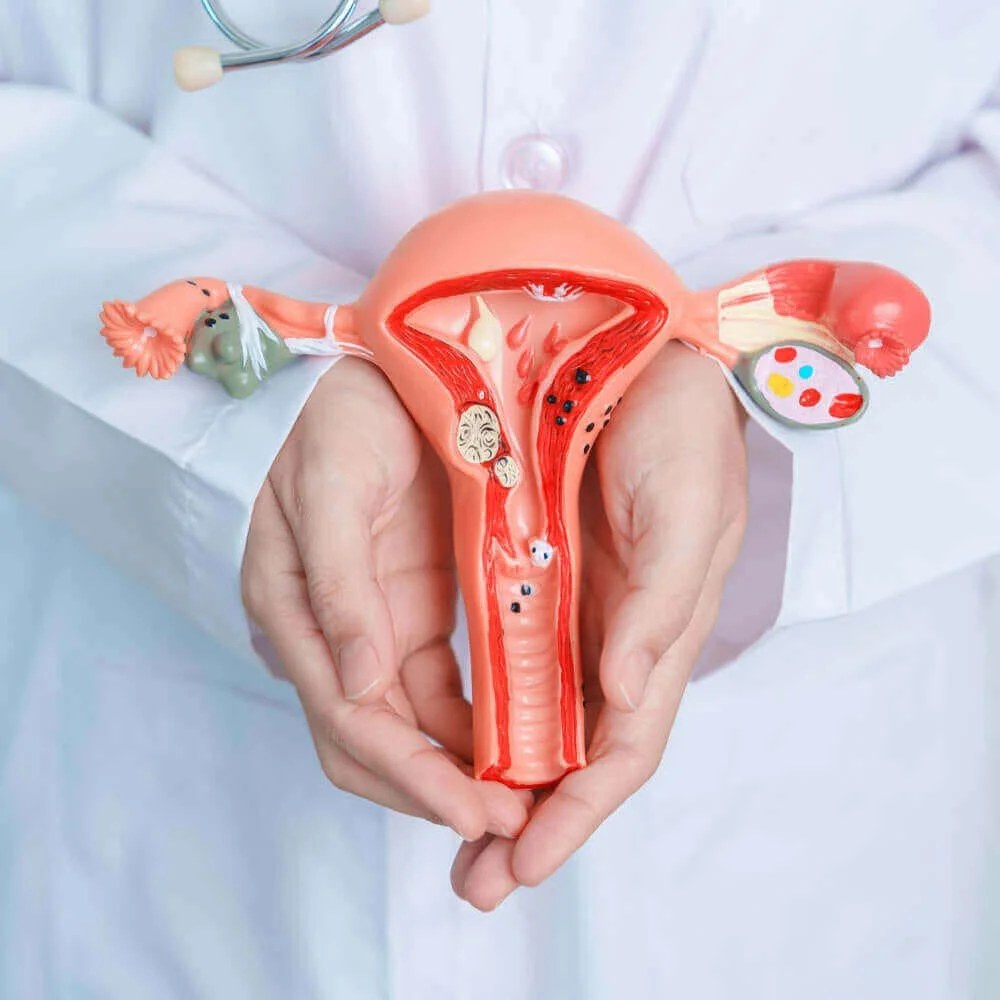
Pelvic and transvaginal scans, and follicle tracking.
Learn more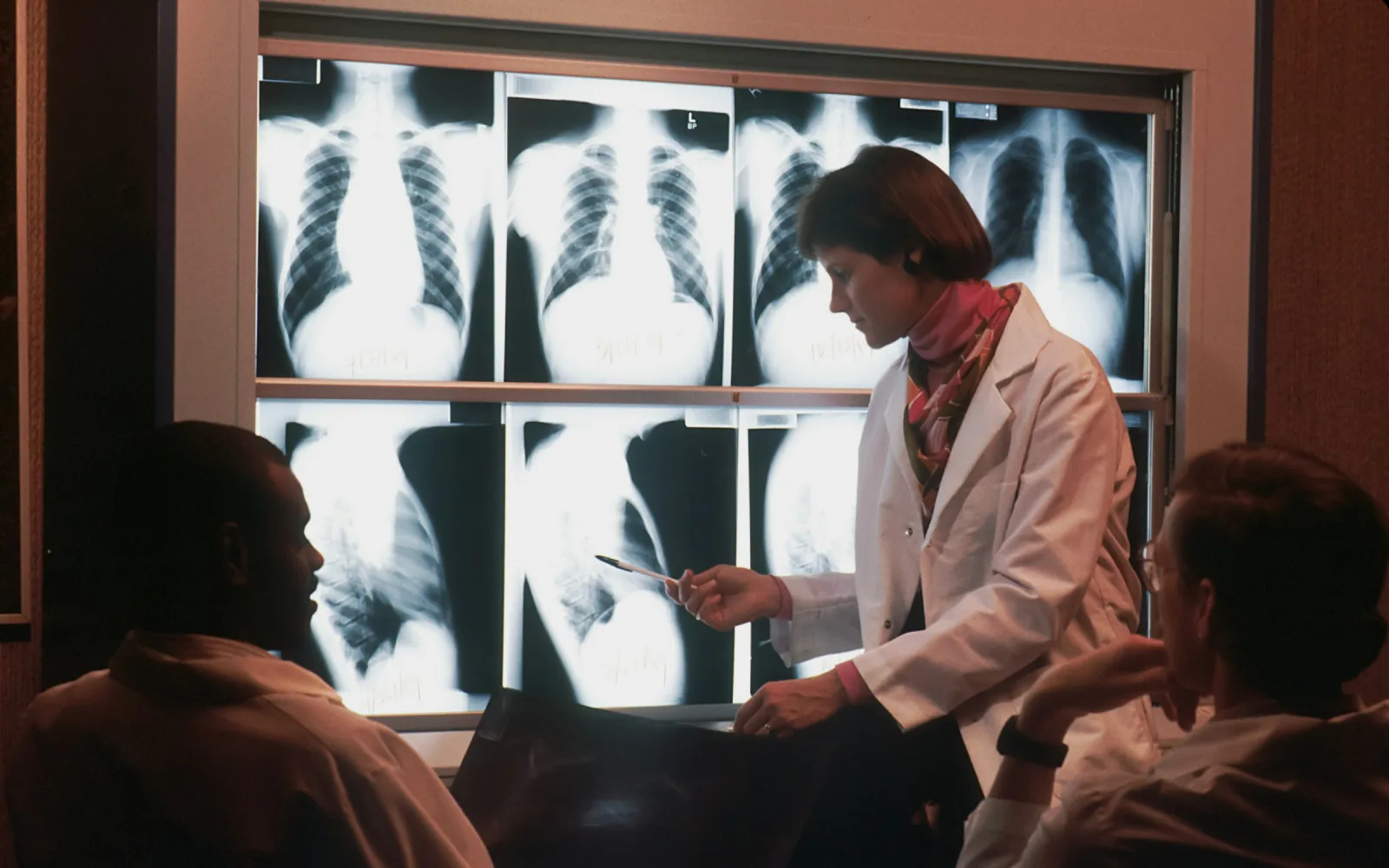
Better than ultrasound for bones and the chest.
Learn moreAppointments
Message us on WhatsApp or call the centre. Tell us the test you need and your preferred day, and the team will confirm the details.
4/12, Vijayant Khand, Gomti Nagar · 0522-3180995