Pathology Lab • Gomti Nagar
Pathology Lab in Gomti Nagar, Lucknow
A pathology lab in Gomti Nagar for routine blood and urine tests and ten health packages. Here is plain advice on fasting, how samples are taken and which test suits your doctor's question.
- Vijayant Khand, Gomti Nagar, Lucknow
- Mon to Sat 9 AM to 8 PM, Sun 10 AM to 2 PM
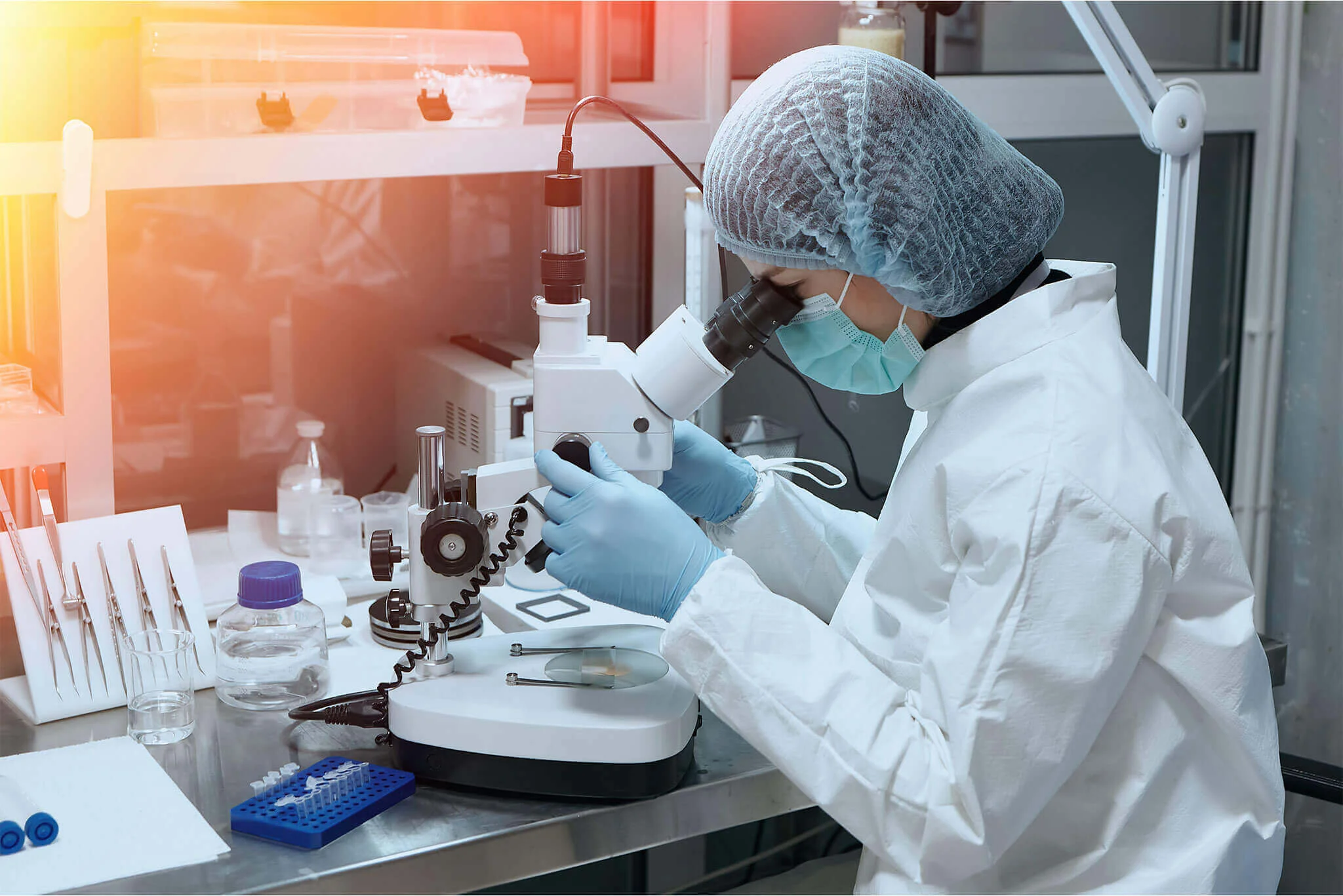
- Samples
- Blood, urine and some other samples
- Fasting
- Needed for some tests, not all
- Packages
- Ten, from diabetes to thyroid
- Booking
- WhatsApp or phone
Health packages
Diabetes, blood pressure and kidneys
Sugar, heart and kidney checks for regular review.
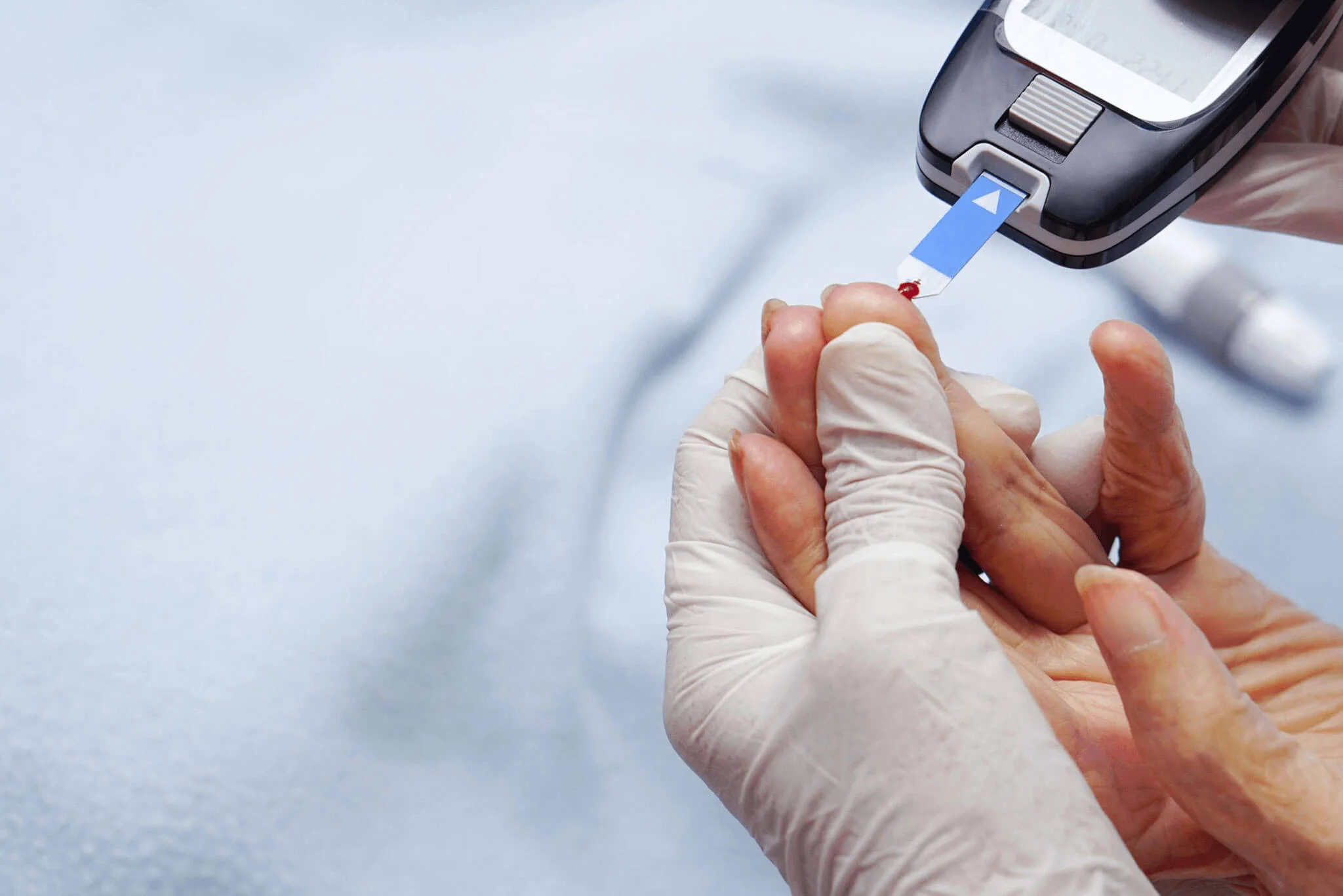
Diabetes Health Package
Sugar, HbA1c, kidney, liver, lipid and urine tests, with an ECG and kidney ultrasound.
Learn more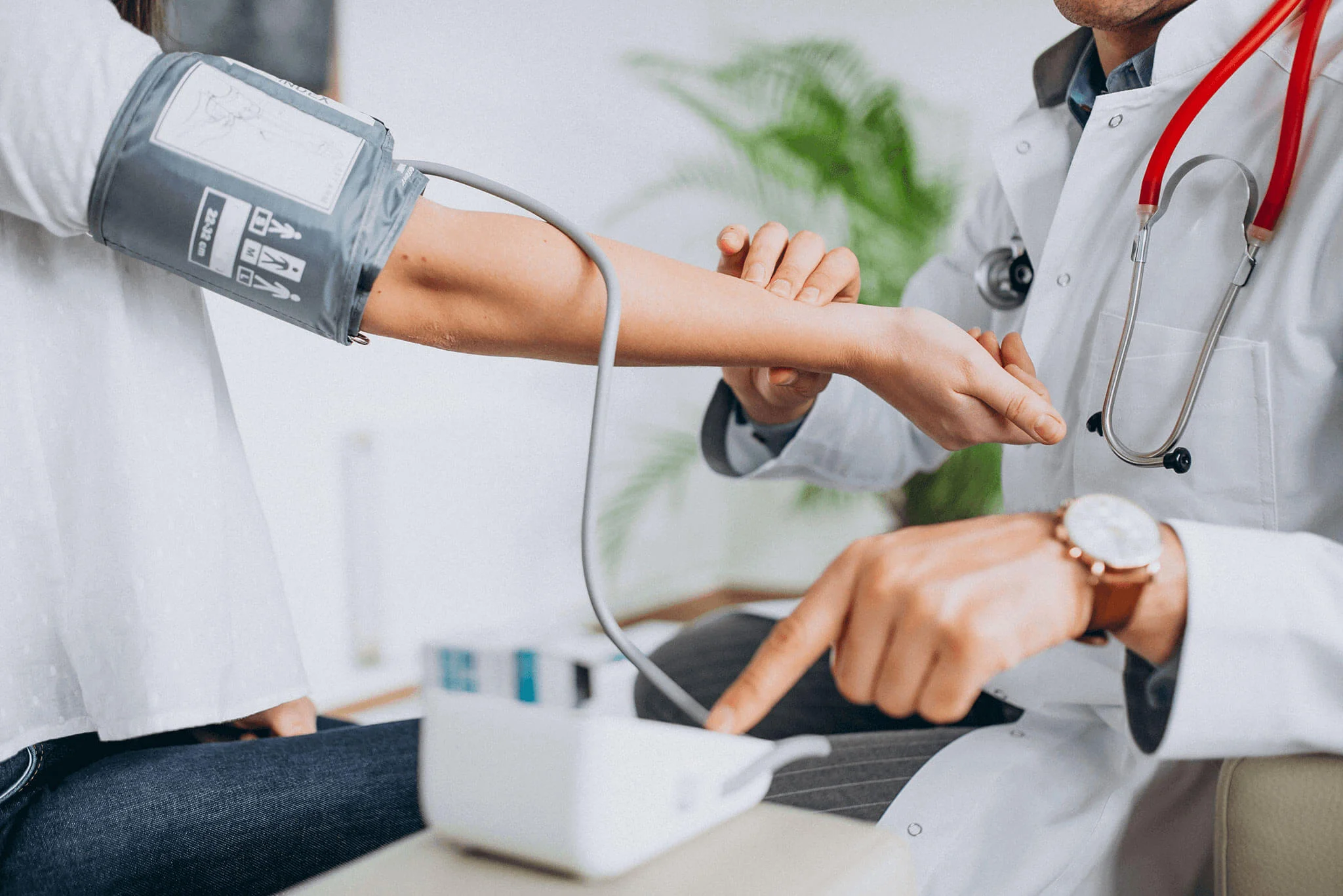
Hypertension Health Package
ECG, chest X-ray, abdominal ultrasound, kidney, lipid and sugar tests, CBC and urine.
Learn more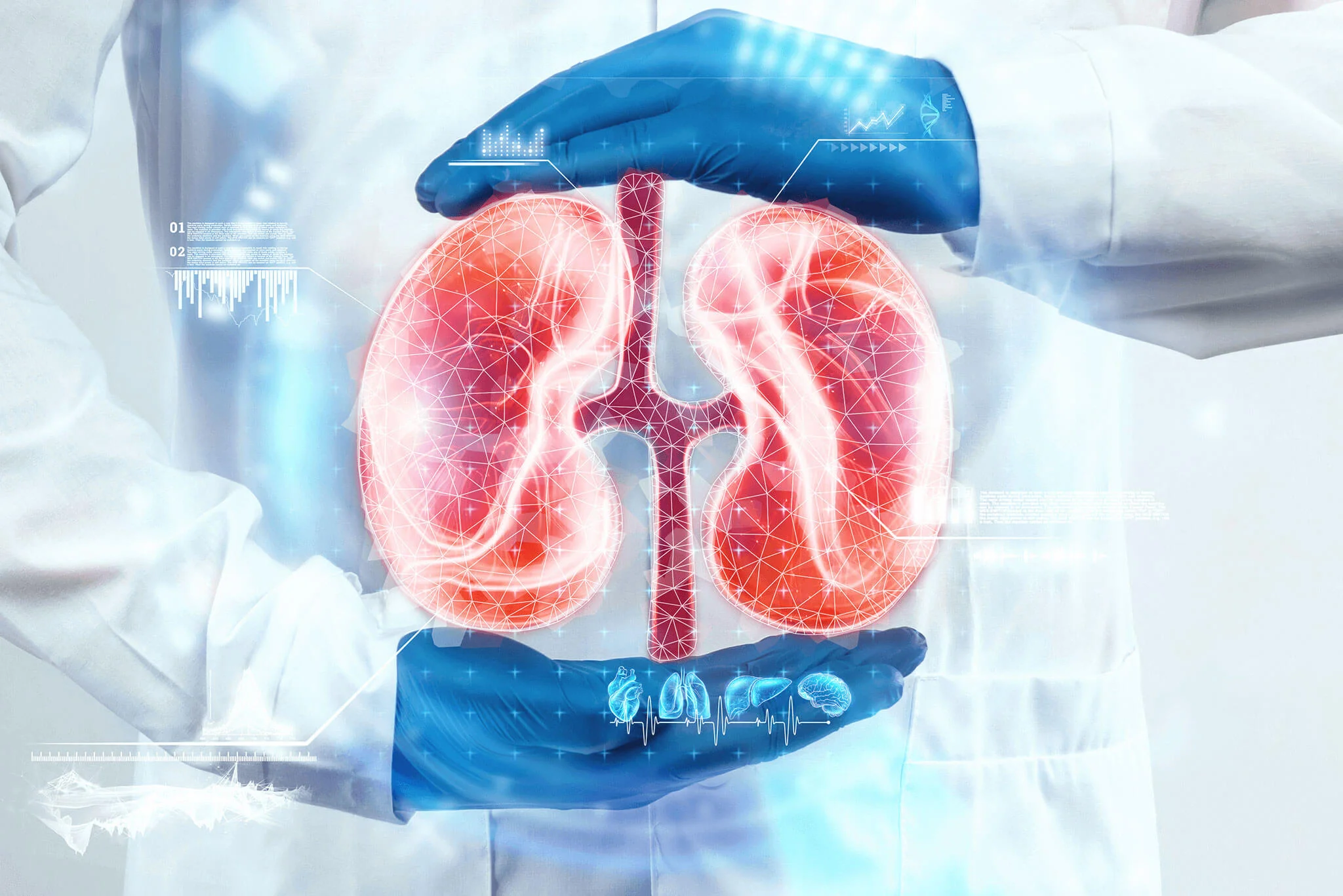
Kidney Health Package
Creatinine, urea, uric acid, calcium, urine routine, CBC, sugar and a KUB scan.
Learn moreLiver
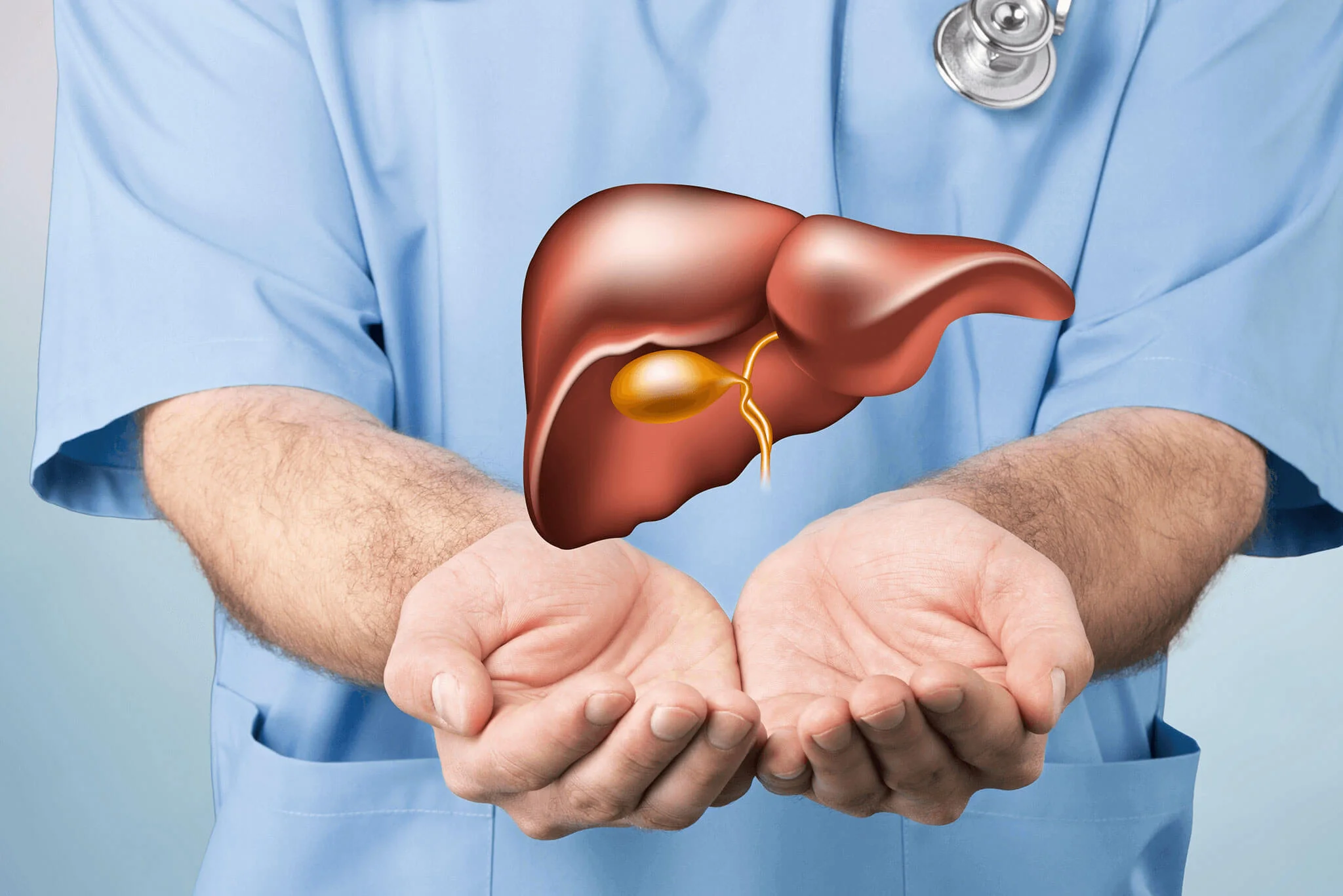
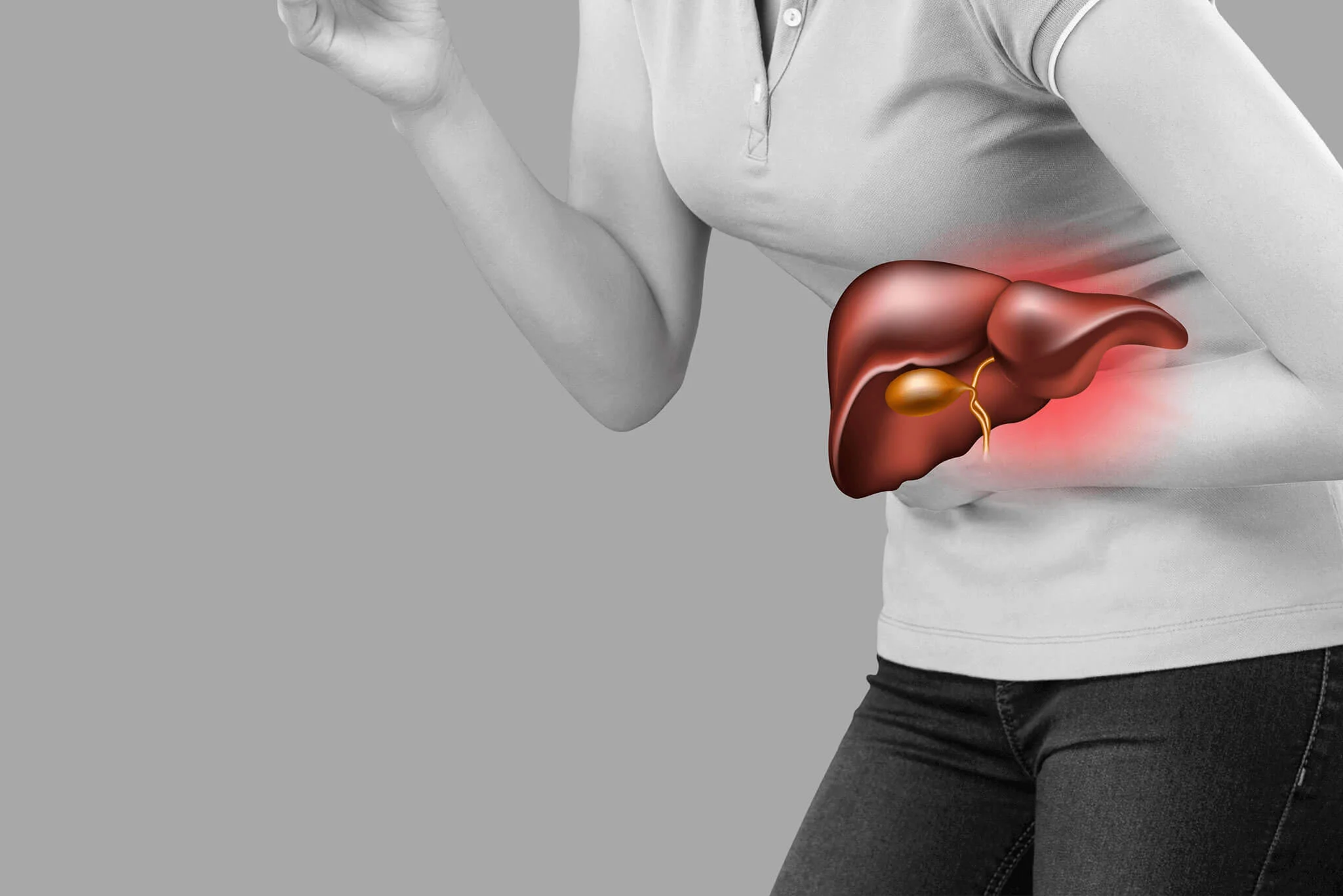
One package for abnormal liver tests, one for fatty liver.
Thyroid, parathyroid and bones
Hormone, calcium and vitamin D tests, each with an ultrasound.
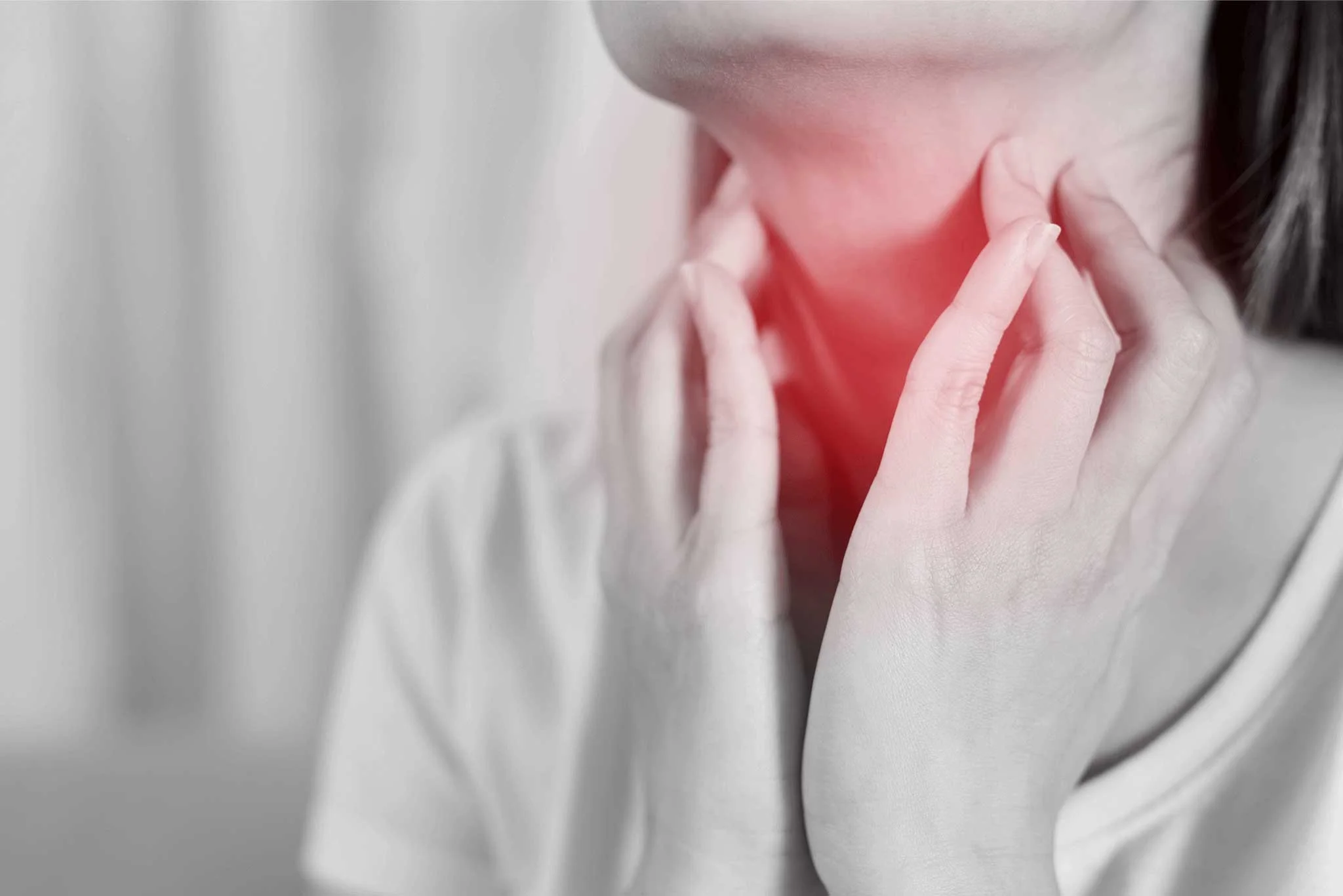
Thyroid Health Package
T3, T4, TSH, Anti-TPO, CBC and a neck ultrasound for thyroid symptoms and follow-up.
Learn more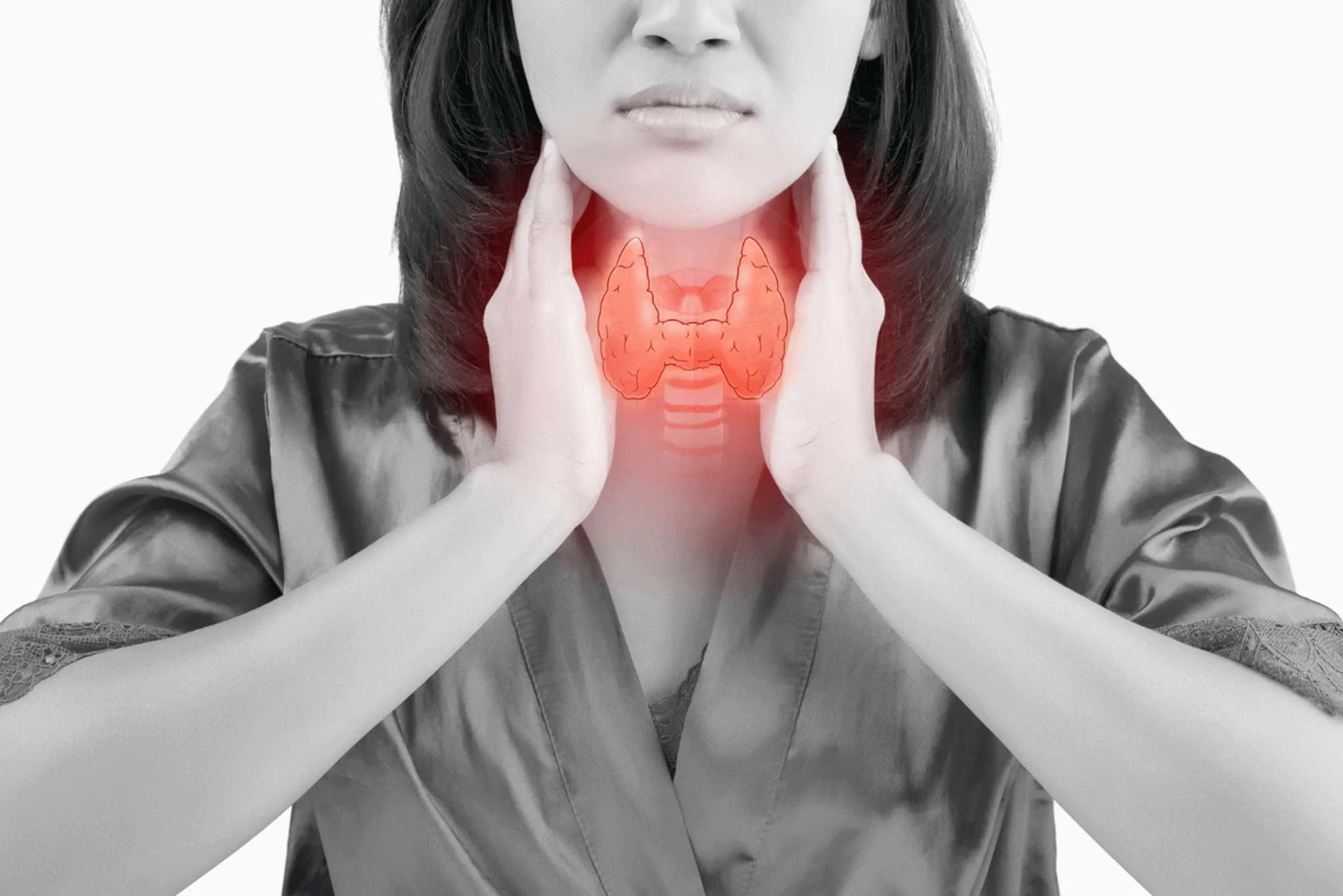
Parathyroid Health Package
PTH, calcium, vitamin D3, a thyroid profile and a neck ultrasound for calcium problems.
Learn more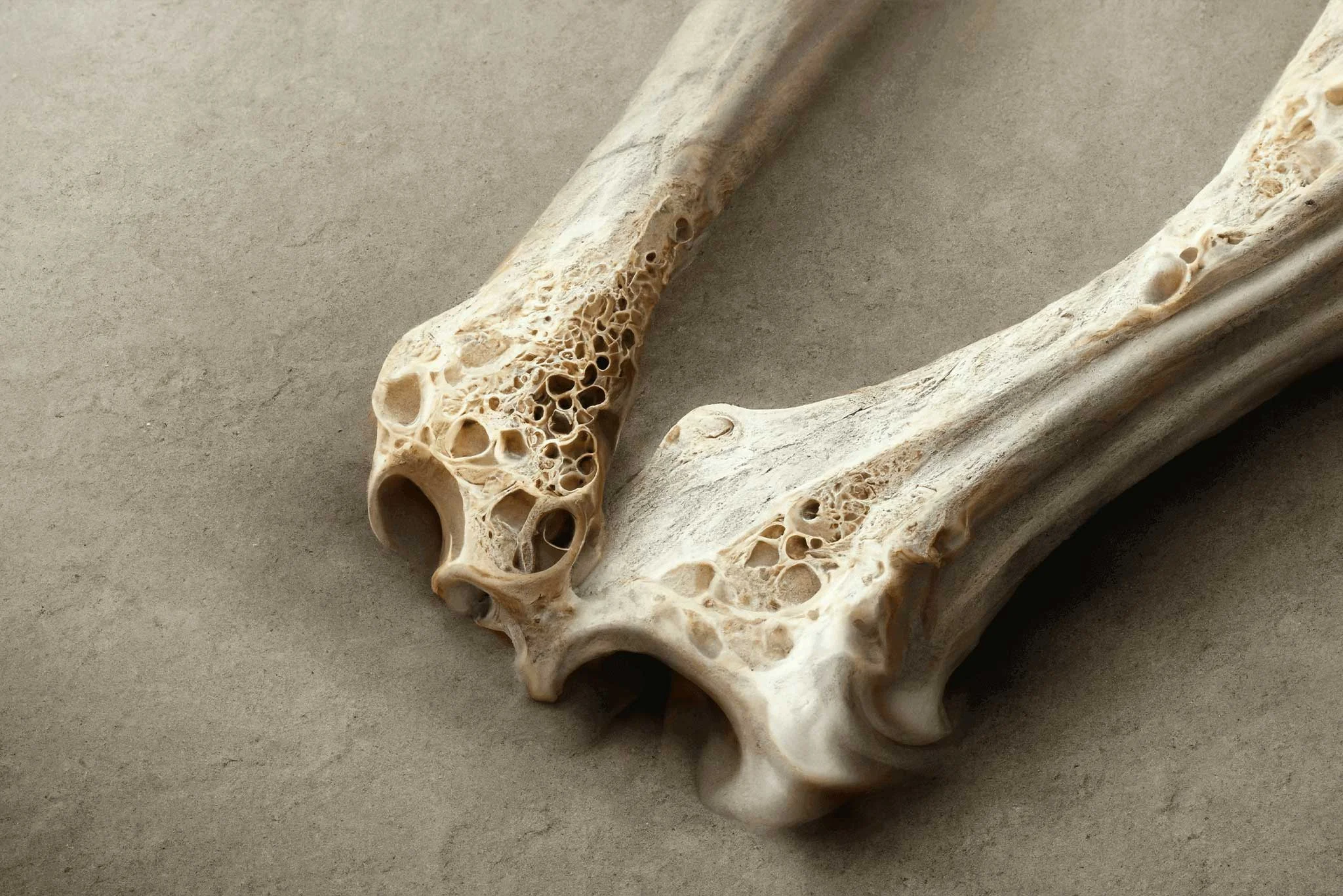
Bone Health & Osteoporosis Profile
Calcium, phosphorus, vitamin D3, I-PTH, ALP and CBC, with USG KUB and USG neck.
Learn moreBlood count and women's health
For low haemoglobin, and for the years after menopause.
All packages side by side
Which package or test do you need?
Start with your doctor's prescription. If it names two or three tests, book those tests. A package is worth choosing only when it covers most of what you need. It is a fixed list of tests built around one health question, and these are the common matches:
- Diabetes or a high sugar report: the diabetic package.
- High blood pressure: the hypertension package, which checks the heart and kidneys.
- Tiredness, paleness or a low haemoglobin: the anaemia package.
- Abnormal liver tests, or a fatty liver on a scan: the liver panel package or the fatty liver package.
- Kidney or urine problems: the kidney panel package.
- Thyroid symptoms, or a swelling in the neck: the thyroid package.
- An abnormal calcium or PTH result, or concern about osteoporosis: the parathyroid package or the bone profile package.
- The years after menopause: the post-menopausal package.
If you have no symptoms and no prescription but want a general check, speak to your own doctor first. They know your age, family history and medicines, and can say which tests are worth doing.
If your prescription names a test that is not described here, send us the prescription and the team will confirm whether we do it.
What samples we take, and when you need to fast
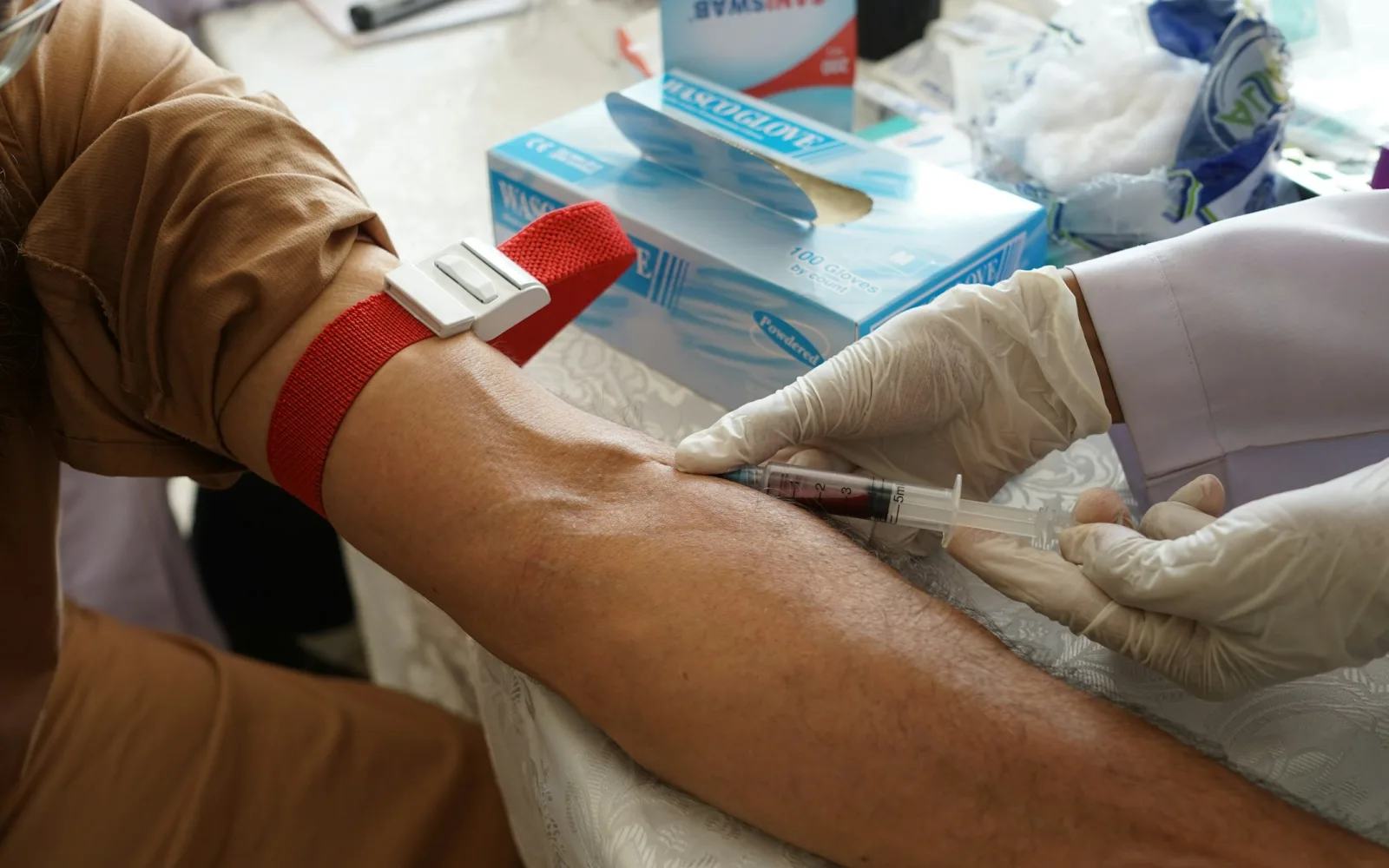
Most tests use blood drawn from a vein in your arm. The needle goes in for a moment, and you may have a small bruise afterwards. A routine urine test needs a urine sample passed into a container, and the team will tell you how to collect it cleanly. One test in the anaemia package looks for hidden blood in a stool sample.
Fasting means no food and no drink except plain water, usually for 8 to 12 hours. Most people fast overnight and come in the morning. Tea, coffee, juice and milk break a fast. Water does not.
- Usually need fasting: fasting blood sugar, and often the lipid profile, which measures cholesterol and triglycerides. An ultrasound of the abdomen also needs an empty stomach, for at least six hours.
- Usually do not need fasting: a complete blood count, HbA1c, thyroid tests and a routine urine test.
- Timed samples: a post-meal sugar test needs a second sample about two hours after you eat. The team tells you what to eat and when.
Iron, liver tests and vitamin B12 are sometimes asked for fasting, depending on your doctor. If your prescription does not say, ask before you stop eating.
If you take insulin or tablets for diabetes, ask your doctor how to time your medicine and your meal on the day, and tell the team. Do not stop any prescribed medicine unless your doctor tells you to.
What the main groups of blood tests tell you
Each group of tests answers a different question. One result seldom gives a diagnosis. Your doctor reads it with your symptoms, medicines and earlier reports.
- Complete blood count (CBC): counts red cells, white cells and platelets and measures haemoglobin. A low haemoglobin means anaemia. A raised white cell count can point to infection.
- Blood sugar and HbA1c: sugar shows glucose at the moment of the sample. HbA1c reflects your average over the last two to three months. Together they screen for diabetes and show how well it is controlled.
- Lipid profile: measures cholesterol and triglycerides, the fats in your blood. They matter because they add to the risk of heart and artery disease.
- Liver function tests: bilirubin, SGOT and SGPT (the liver enzymes), albumin and alkaline phosphatase. They show how the liver cells and bile flow are behaving, but they do not name every liver problem.
- Kidney function tests and urine tests: creatinine and urea in the blood show how well the kidneys clear waste, and uric acid is checked for gout and stones. A urine routine test looks for protein, sugar, blood and infection.
- Thyroid tests: TSH, T3 and T4 show whether the thyroid gland is making too little or too much hormone. Anti-TPO, an antibody test, is part of the thyroid package.
- Anaemia tests: an iron profile, vitamin B12, a blood smear and a reticulocyte count (a count of the youngest red cells) help find why haemoglobin is low.
- Calcium, vitamin D3 and parathyroid hormone (PTH): show the mineral supply and hormone control that bones depend on. They do not measure bone strength.
- Other tests: hepatitis B and C screening (HBsAg and HCV) and a clotting test (prothrombin time) are part of some packages. For selected vitamin, hormone and culture tests, send the prescription and the team will confirm.
How a visit works
-
1
Book
Message the prescription on WhatsApp or phone the centre. The team confirms the tests, whether you need to fast and a time that suits you.
-
2
Arrive
Tell the team which medicines you take, and mention it if you are on blood thinners or tend to feel faint when blood is taken.
-
3
Give your samples
You sit while blood is taken from a vein in your arm. Press on the site for a few minutes afterwards. The team tells you how to collect urine or stool samples.
-
4
Get your report
The team will tell you when you book how and when your report reaches you. Take it to the doctor who ordered the tests, and keep a copy.
Preparation and aftercare
Before your visit
- Fast only if your tests need it. Plain water is always fine.
- Do not stop prescribed medicines unless your doctor tells you to. Tell the team what you take, including supplements.
- Wear a top with sleeves that roll up easily.
- Send the names of the tests on WhatsApp before you come.
Please bring
- Your doctor's prescription
- Earlier lab reports, for comparison
- A list of your medicines
After your visit
- Eat and drink as usual once the team says all samples are done. A snack in your bag helps after a long fast.
- If you feel dizzy, sit for a few minutes before you stand.
- Do not rub the puncture site. Tell your doctor if the arm becomes swollen, red or very sore.
Lab tests are not for emergencies
If something feels seriously wrong, do not wait for a test appointment. Go straight to a hospital emergency department if you have:
- Chest pain, sudden breathlessness or fainting.
- Weakness of the face, arm or leg, trouble speaking or sudden confusion.
- Vomiting blood, black stools or heavy bleeding that will not stop.
- Extreme thirst, vomiting and drowsiness if you have diabetes.
Pathology Lab: common questions
Is there a pathology lab near Kathauta Chauraha in Gomti Nagar?
Yes. We are at 4/12, Vijayant Khand, near Kathauta Chauraha, Gomti Nagar, Lucknow 226010, and this is our only centre. If you are coming from Gomti Nagar Extension, Indira Nagar or Faizabad Road, ask the team for directions when you book. We are open Monday to Saturday 9 AM to 8 PM and Sunday 10 AM to 2 PM.
Do all blood tests need fasting?
No. Fasting sugar and a lipid profile usually do, while a complete blood count, HbA1c and thyroid tests usually do not. Your prescription or the team will say which applies to you. If you are unsure, ask before you stop eating, particularly if you take insulin or diabetes tablets.
How will I get my report?
The team will tell you when you book how and when your report reaches you. The timing depends on the tests on your list, so ask if you have a doctor's appointment to plan around. Take the report to the doctor who ordered the tests.
Can someone take my sample at home?
You can send a request on the home visit page or message the team. They confirm whether it can be arranged for your area and your tests. For a package, they will also say which parts, such as a scan, still need a visit to the centre.
Does an abnormal result always mean I have a disease?
No. Food, medicines, illness, stress and the time of day can all move a result. A value outside the reference range is a reason to look closer, and your doctor may repeat the test or add another.
Can I have a scan or ECG on the same day as my blood tests?
The team can plan them together. Our health packages pair lab tests with an ultrasound, ECG or chest X-ray, so the order and the preparation are worked out when you book. Tell the team everything your doctor has asked for, because a scan can need different preparation from blood tests.
Related services
Tests and care that often go together
Appointments
Book Pathology Tests in Gomti Nagar, Lucknow
Message us on WhatsApp or call the centre. Tell us the test you need and your preferred day, and the team will confirm the details.
4/12, Vijayant Khand, Gomti Nagar · 0522-3180995
