Health guide • Digestive health
Gallstones: Symptoms, Tests and Treatment
Gallstones are hard lumps that form in the gallbladder. Many people never know they have them, while others get sudden pain after meals. An ultrasound scan is the usual test, and treatment depends on symptoms.
- Vijayant Khand, Gomti Nagar, Lucknow
- Mon to Sat 9 AM to 8 PM, Sun 10 AM to 2 PM
- What they are
- Hard lumps in the gallbladder
- Symptoms
- Often none; pain after meals if present
- First test
- Ultrasound of the abdomen
- Treatment
- Surgery if stones cause trouble
What are gallstones?
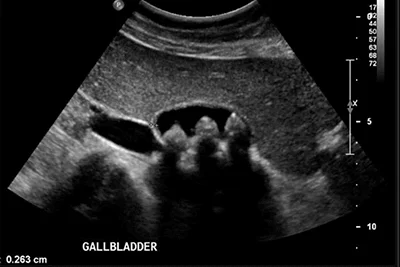
Gallstones are small, hard lumps that form inside the gallbladder. The medical name is cholelithiasis. They can be as small as a grain of sand or as large as a golf ball, and a person may have one or many.
The gallbladder is a small pear-shaped pouch tucked under the liver. It stores bile, a digestive fluid made by the liver that helps the body break down fat. After a meal, the gallbladder squeezes bile into the bowel through a narrow tube called the bile duct.
Stones form when bile holds too much cholesterol or too much bilirubin, a yellow pigment made when old red blood cells break down. Most stones are cholesterol stones. Pigment stones are darker and are more common in people with certain blood or liver conditions.
Who is more likely to get gallstones?
Gallstones are common, and they are found more often in middle-aged adults and in women than in men. Doctors do not always find a clear reason, but some things raise the chance.
- Being a woman, and having had pregnancies.
- Being middle-aged or older.
- Being overweight.
- Losing weight very fast, for example on a crash diet or after weight loss surgery.
- Having a family history of gallstones.
- Having diabetes, or certain blood or liver conditions.
Having a risk factor does not mean you will get stones, and people with none can still get them.
What are the symptoms of gallstones?
Many gallstones cause no symptoms and are found by chance on a scan done for another reason. Stones that cause no trouble usually need no treatment.
Trouble starts when a stone blocks the opening of the gallbladder or the bile duct. The typical result is biliary colic, a pain that builds up, stays steady for a while and then fades.
- Pain in the upper right or the middle of the abdomen, just below the ribs.
- Pain that can spread to the back or to the right shoulder blade.
- Pain that often starts after a heavy or fatty meal, or at night.
- Pain that lasts at least half an hour, and sometimes for hours.
- Nausea or vomiting with the pain.
Bloating or a feeling of fullness can also happen, but these are common in many digestive problems. Pain in the upper abdomen has other causes too, including acidity, ulcers, kidney stones and problems of the pancreas. That is why a scan is more reliable than guessing from symptoms.
What problems can gallstones cause?
Some people have repeated bouts of pain, and some develop a complication. These need medical care.
- Cholecystitis: inflammation of the gallbladder, with steady pain, fever and tenderness under the right ribs.
- A stone in the bile duct: this can cause jaundice (yellow skin and eyes), dark urine and pale stools.
- Pancreatitis: a stone can block the duct that also drains the pancreas, which causes severe pain that spreads to the back, with vomiting.
- Infection of the bile ducts, which brings fever, chills and jaundice.
- Rare problems: a hole in the gallbladder wall, or a large stone that passes into the bowel and blocks it.
Gallbladder cancer is rare, but long-standing gallstones are one of the things linked with it. That is one more reason to have repeated pain checked and not simply put up with it.
How are gallstones diagnosed?
An ultrasound scan of the abdomen is the usual first test. It uses sound waves, not radiation. It can show stones in the gallbladder, a thickened gallbladder wall and widened bile ducts.
For an abdominal scan you usually avoid food for about six hours, so the gallbladder is full and the view is clear. Small sips of water are usually fine. The team confirms the exact preparation when you book.
Blood tests help to look for a blockage or infection. Doctors often ask for a blood count and liver function tests, which include bilirubin and liver enzymes (our guide to common blood tests explains them). Which tests you need depends on your doctor's question, and the team will confirm whether a test on your prescription is done at the centre's pathology lab.
If the scan is unclear, or a stone may be in the bile duct, your doctor may suggest a further scan or a telescope test of the bile ducts. Your doctor or surgeon arranges those.
How are gallstones treated?
Stones that cause no symptoms are usually left alone and watched. Stones that cause repeated pain or a complication are usually treated by removing the gallbladder, an operation called cholecystectomy.
The operation is most often done through several small cuts, using a camera. This is called keyhole or laparoscopic surgery. A surgeon decides whether keyhole or open surgery suits you, and when the operation should happen.
The body does not need the gallbladder. The liver still makes bile, which then flows straight into the bowel. Most people eat normally afterwards, although some notice looser stools for a while, and your surgeon will advise on diet and recovery.
A stone in the bile duct, or an infected gallbladder, usually needs treatment in hospital first.
Diet cannot dissolve stones that have formed, but healthy habits may lower the chance of forming them. Keep a steady weight, lose weight gradually if you need to, do not skip meals, and eat plenty of vegetables, fruit, pulses and whole grains. If a particular food brings on pain, tell your doctor.
Tests that can help
Your doctor chooses which tests you need. These pages explain the ones often used when gallstones are suspected.
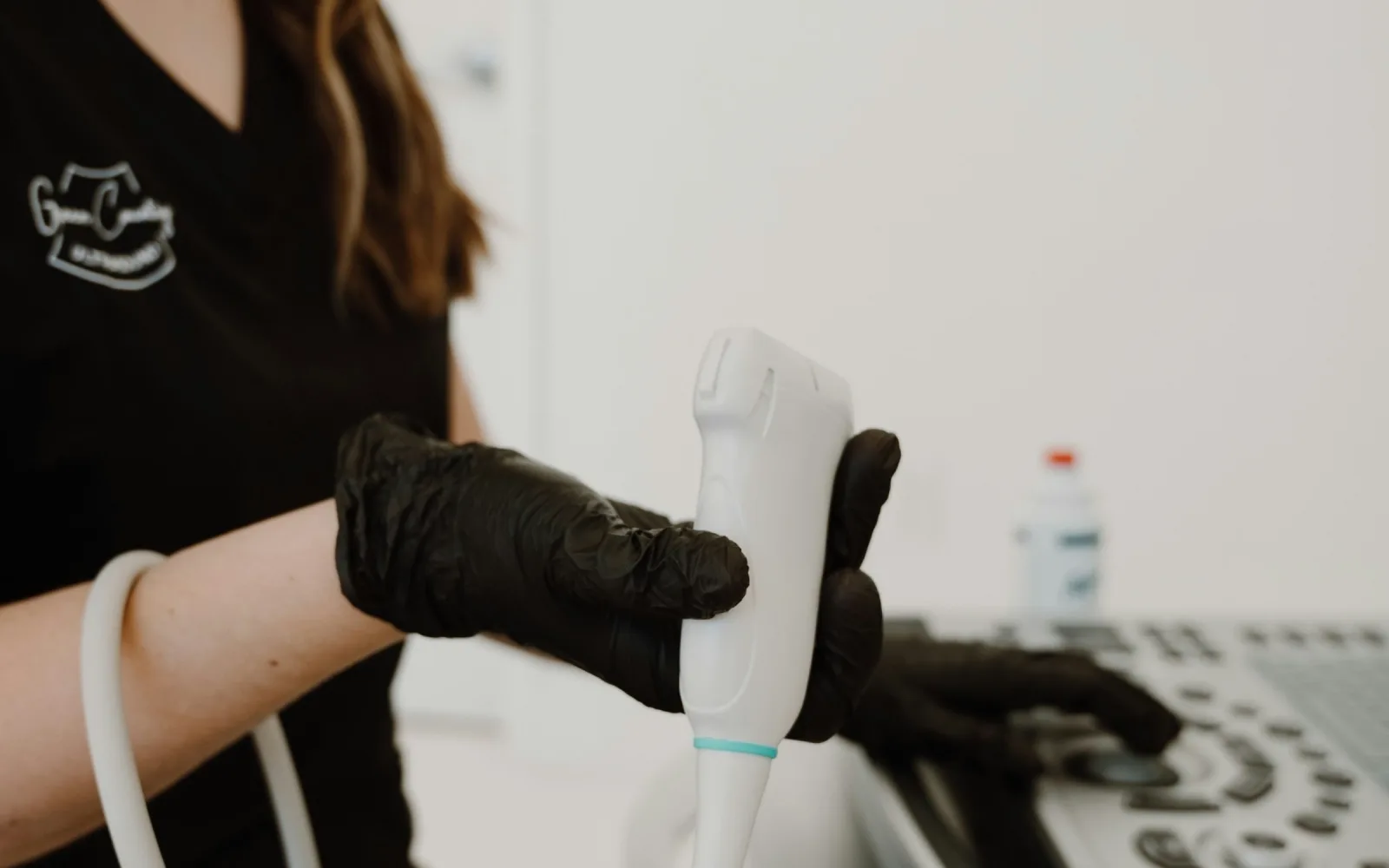
Ultrasound
The usual first scan for gallstones. You usually avoid food beforehand.
See the test
Pathology Lab
Blood tests such as a blood count and liver tests, if your doctor asks for them.
See the test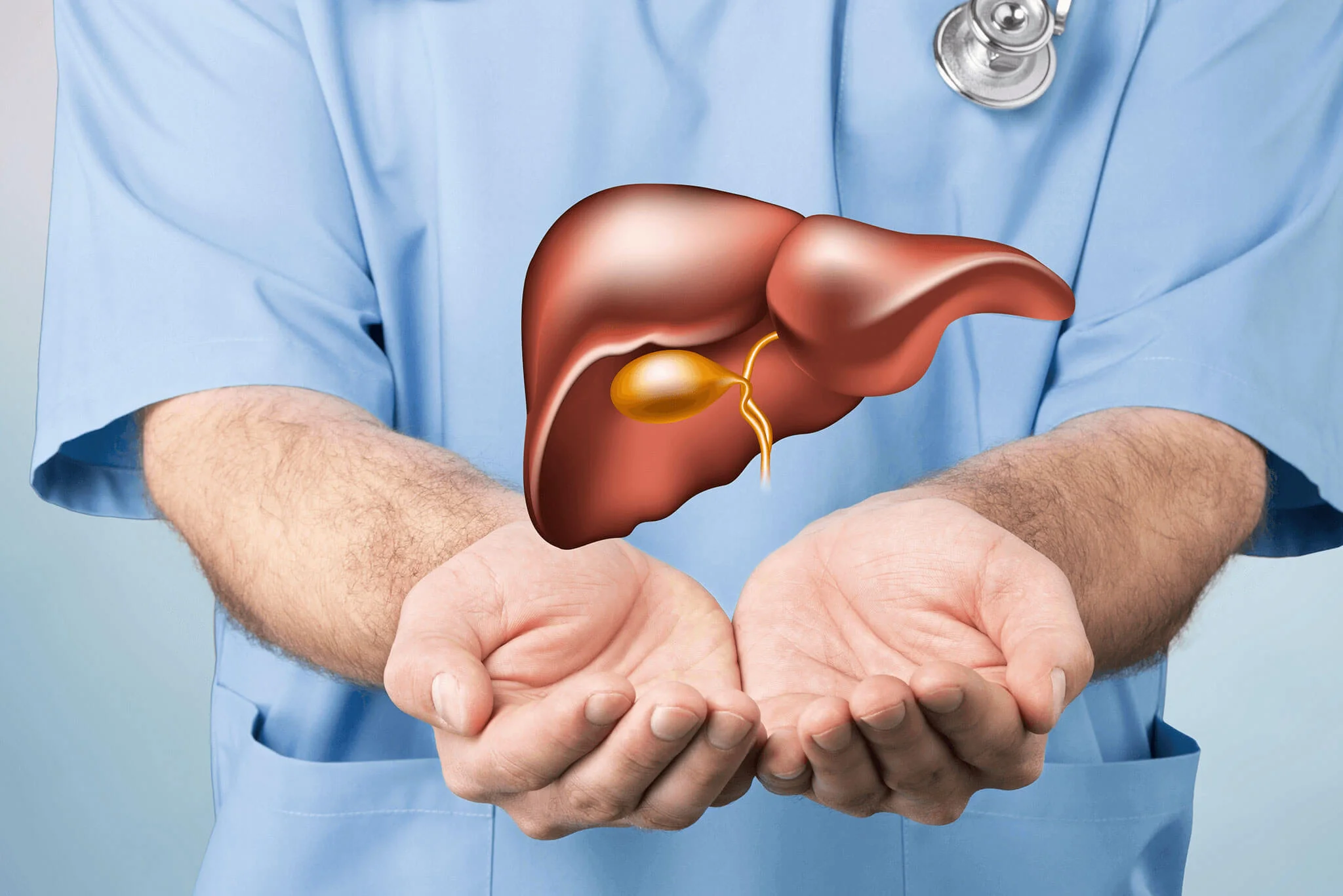
Liver Health Package
Liver blood tests and an abdominal ultrasound together, if your doctor wants both.
See the testWhen gallstone pain needs urgent care
Do not wait for an appointment. Go to the nearest hospital emergency department if you have:
- Severe abdominal pain that does not ease, or that lasts for several hours.
- Abdominal pain with fever, chills or shaking.
- Yellow skin or eyes, dark urine or very pale stools.
- Repeated vomiting with abdominal pain, or pain that spreads to the back.
- A hard, tender abdomen, or feeling faint or confused with the pain.
Gallstones: common questions
Is cholelithiasis the same as gallstones?
Yes. Cholelithiasis is the medical name for gallstones, which means stones in the gallbladder. A related word, choledocholithiasis, means a stone in the bile duct, the tube that carries bile from the liver to the bowel.
Which test finds gallstones?
An ultrasound scan of the abdomen is the usual test. It uses sound waves, not radiation, and shows stones and signs of inflammation. Doctors may add blood tests, and sometimes another scan if the picture is unclear.
Do I need to fast before an ultrasound for gallstones?
Yes, usually. You avoid food for about six hours before an abdominal ultrasound, so the gallbladder is full and gas is less likely to block the view. Small sips of water are usually fine. If you take diabetes medicine, tell the team when you book, and do not stop any medicine unless your doctor says so.
Can gallstones go away on their own?
Gallstones do not usually go away on their own. Stones that cause no symptoms can be left alone and watched, but once a stone causes pain, the pain tends to come back. Your doctor or surgeon decides whether to watch or to operate.
Is surgery always needed for gallstones?
No. Stones that cause no symptoms usually need no treatment. Surgery to remove the gallbladder is usually advised when stones cause repeated pain or a complication. A surgeon explains the options and the timing for you.
Can I live normally without a gallbladder?
Yes. The liver keeps making bile, and it flows straight into the bowel. Some people have looser stools or an upset stomach for a while after surgery. Your surgeon will advise on diet and recovery.
Where can I get an ultrasound for gallstones in Gomti Nagar, Lucknow?
Lucknow Imaging Centre offers abdominal ultrasound at 4/12, Vijayant Khand, near Kathauta Chauraha, Gomti Nagar, Lucknow 226010. Call 0522-3180995 or message +91 70809 82920 on WhatsApp. Bring your prescription, and the team will confirm the scan and how to prepare.
Keep reading
More health guides and tests
Blood tests explained
What the common blood tests measure, how to prepare and how to read your report.
Learn more
Ultrasound
Abdomen, pelvis, pregnancy, thyroid and soft-tissue scans with no radiation.
Learn more
Liver Health Package
Liver enzymes, bilirubin, clotting, viral markers and an abdominal ultrasound.
Learn more
High blood pressure
What high blood pressure means, why it is often silent, how it is checked and what helps.
Learn moreAppointments
Book a visit to Lucknow Imaging Centre in Gomti Nagar
Message us on WhatsApp or call the centre. Tell us the test you need and your preferred day, and the team will confirm the details.
4/12, Vijayant Khand, Gomti Nagar · 0522-3180995
