Health guide • Mental health
Mental Well-being: How to Look After It and When to Get Help
Mental well-being is how you think, feel and cope from day to day. It can be looked after, and help works. This guide covers common problems, daily habits that help and how to find the right professional.

- What it is
- How you think, feel and cope
- Common problems
- Stress, anxiety and low mood
- Who can help
- Doctor, counsellor, psychiatrist
- This centre
- No mental health care offered
What is mental well-being?
Mental well-being is how you think, feel and cope with daily life. It is not the same as having no problems. A person with good mental well-being still feels sad, angry or worried at times, but can usually cope, work, enjoy things and keep up relationships.
It also moves. Think of a scale and not a switch. It can dip during exams, a bereavement, an illness or money worries, and it can recover with time, support and care.
Mental well-being and physical health affect each other. Poor sleep, long illness and pain can lower mood. Long periods of stress can disturb sleep and push up blood pressure. Looking after one helps the other.
What are the common mental health problems?
The most common problems are stress, anxiety and depression. Each is real, common and treatable. None is a weakness or a flaw of character.
- Stress is the body's response to pressure. It can cause tension, headaches, poor sleep and irritability, and it usually eases when the pressure does.
- Anxiety is worry or fear that is out of proportion or hard to switch off. It can bring a racing heart, restlessness, a tight chest, poor sleep and avoiding things.
- Depression is low mood or loss of interest that lasts for weeks. It can bring tiredness, changes in sleep or appetite, poor concentration and feelings of worthlessness.
Other conditions exist, and only a trained professional can tell them apart. If you recognise yourself here, treat it as a reason to talk to someone and not as a diagnosis.
How do I know it is more than a bad patch?
Feelings that last for two weeks or more, or that stop you working, studying, eating, sleeping or looking after yourself, are worth discussing with a doctor. These are common signs:
- Low mood, or loss of interest in things you usually enjoy.
- Constant worry, panic or feeling on edge.
- Sleeping much more or much less than usual.
- Changes in appetite or weight.
- Pulling away from family and friends.
- Trouble concentrating or making decisions.
- Using alcohol, tobacco or other substances more to cope.
- Aches such as headaches or stomach upset that keep returning without a clear physical cause.
Children and teenagers may show it differently, for example as irritability, a drop in schoolwork or avoiding friends.
What daily habits support mental well-being?
Small, steady habits help most. None replaces treatment when it is needed, but all of them support it.
- Sleep. Keep regular sleep and wake times, and keep screens away from bed.
- Move. A brisk walk, or any activity you enjoy, on most days lifts mood and eases stress.
- Eat regularly. Regular meals with vegetables, fruit and enough water help energy and mood.
- Stay connected. Spend time with people you trust, and tell at least one of them how you really feel.
- Pause. Slow breathing, prayer, meditation or mindfulness can calm the body in the moment, even for a few minutes.
- Limit alcohol and tobacco. They may feel like relief, but they usually make mood and sleep worse.
- Keep a routine with work, rest and something you enjoy.
If a habit feels hard, start with one. A ten-minute walk after a meal is easier to keep than a new gym plan.
How can work, study and screens affect mental well-being?
Long hours, constant deadlines, exam pressure and endless screen time can all wear down mental well-being. A few changes help.
- Work: take real breaks, switch off at a set time and speak up early when the load is too heavy.
- Study: plan rest around revision, sleep before exams, and tell a teacher, parent or counsellor if the pressure feels too much.
- Screens: set fixed times offline, and notice how particular apps or feeds make you feel.
Employers and schools that talk openly about stress make it easier for people to ask for help.
When and how should I get help?
Speak to a doctor, counsellor or psychiatrist when low mood, anxiety or stress last for weeks, keep returning or get in the way of daily life. Asking for help early is sensible, and it is not a sign of weakness.
Start with your family doctor, who can listen, check for physical causes and refer you. A counsellor or psychologist offers talking treatment. A psychiatrist is a medical doctor who can diagnose a mental health condition and prescribe medicine when it is needed. Your doctor will say which is right for you.
Lucknow Imaging Centre is a diagnostic centre and does not provide mental health care, counselling or psychiatric treatment. If you are worried, start with your own doctor.
If someone you know seems low or anxious, ask how they are, listen without judging and encourage them to see a doctor. Offer to go with them.
Tests that can help rule out physical causes
Tiredness and low mood can sometimes have a physical cause, such as a thyroid problem or a low blood count, so a doctor may ask for blood tests. These tests do not diagnose or treat anxiety or depression. Speak to your own doctor first. If your doctor advises a general check, the health packages page lists what is offered.
When to get urgent help
If you or someone you know is in danger, do not wait for an appointment. Do not stay alone. Tell a family member or friend, call 112, the national emergency number in India, or go to the nearest hospital emergency department. Tele-MANAS, the government's free mental health helpline, is on 14416. Get help at once for:
- Thoughts of ending your life or of harming yourself.
- Thoughts of harming someone else.
- Hearing or seeing things that others do not, or feeling very confused or out of touch with reality.
- Being unable to eat, drink, sleep or look after yourself for days.
- Having taken an overdose or harmed yourself.
Mental well-being: common questions
What is mental well-being?
Mental well-being is how you think, feel and cope with daily life. It does not mean always feeling happy. It means being able to handle ordinary stress, enjoy things and keep up relationships, and it can go up and down over time.
How do I know if I need to see a doctor about my mental health?
See a doctor if low mood, anxiety or stress last for two weeks or more, keep coming back or affect your sleep, work, study or relationships. You do not need to wait until things feel unbearable. Early help usually makes recovery easier.
Who should I talk to first about my mental health?
Start with your family doctor, who can listen, check for physical causes and refer you to a counsellor, psychologist or psychiatrist. You can also speak to a qualified counsellor directly. A psychiatrist is a medical doctor who can prescribe medicine when it is needed.
Can a physical illness cause low mood or anxiety?
Yes. Conditions such as an underactive thyroid, a low blood count, diabetes, long-term pain and sleep problems can cause tiredness and low mood. A doctor may ask for a thyroid test or a blood count to rule out physical causes. A normal result does not mean your feelings are not real.
Does Lucknow Imaging Centre offer counselling or mental health treatment?
No. The centre offers diagnostic services such as ultrasound, X-ray, ECG, 2D Echo, pathology and breast imaging. It does not provide counselling or psychiatric care, so please speak to a doctor or a qualified counsellor.
Is it normal to feel stressed or anxious sometimes?
Yes. Stress and worry are normal reactions to hard situations, and they usually settle when the situation does. They become a concern when they last, feel out of proportion or stop you doing what you need to do.
How can I support a friend or family member who is struggling?
Ask how they are, listen without judging and avoid quick fixes. Tell them that help works, and offer to go with them to a doctor. If they talk about harming themselves, stay with them and get urgent help.
Keep reading
More health guides

High blood pressure
What high blood pressure means, why it is often silent, how it is checked and what helps.
Learn more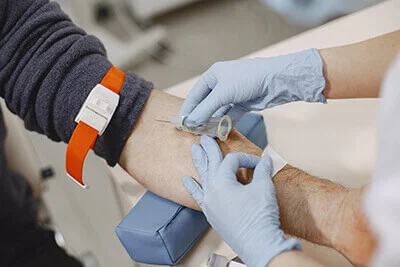
Blood tests explained
What the common blood tests measure, how to prepare and how to read your report.
Learn more
Gallstones
What gallstones are, the symptoms to watch for, how ultrasound finds them and how they are treated.
Learn more
Health Packages
Ten packages that combine lab tests with a scan or ECG for common conditions.
Learn more