Health guide • Heart health
High Blood Pressure (Hypertension): Causes, Checks and Care
High blood pressure, or hypertension, usually causes no symptoms, so the only way to know is to measure it. Left untreated it strains the heart, brain, kidneys and eyes. This guide covers readings, causes, checks and care.
- Vijayant Khand, Gomti Nagar, Lucknow
- Mon to Sat 9 AM to 8 PM, Sun 10 AM to 2 PM
- Measured as
- A top and a bottom number
- Symptoms
- Often none until damage occurs
- Diagnosed by
- Repeated readings
- Care
- Healthy habits, tablets if advised
What is high blood pressure?
High blood pressure means the force of blood against the walls of your arteries is higher than it should be, and stays high. Arteries are the vessels that carry blood from the heart to the rest of the body.
A reading has two numbers, such as 120/80. The top number is the pressure when the heart beats. The bottom number is the pressure when the heart rests between beats. Both are measured in millimetres of mercury, written as mmHg.
A reading below about 120/80 is generally considered healthy for adults. A clinic reading of 140/90 or above on repeated checks counts as high, and the usual home limit is slightly lower, at 135/85. These are commonly published reference values. Your doctor decides what is right for you, and may set a different target, for example if you have diabetes or kidney disease.
One high reading does not mean you have hypertension. Pressure rises with stress, pain, cold, a full bladder, caffeine and a rushed walk to the clinic. That is why doctors want repeated readings.
Why is it called a silent condition?
Doctors sometimes call high blood pressure the silent killer. The phrase is dramatic, but the point is fair: most people feel normal while the harm builds up. There is usually no pain, no dizziness and no warning sign.
Headaches or nosebleeds can happen, but they are not specific and usually appear only when pressure is very high. Do not wait for symptoms. A regular check is the reliable way to find it.
What causes high blood pressure?
In most adults there is no single cause. Several things add up over time. Some you can change and some you cannot.
- Salt. Eating a lot of salt, including in pickles, papad, packaged snacks and restaurant food.
- Weight and inactivity. Extra weight and little exercise both raise pressure.
- Alcohol and tobacco. Regular heavy drinking, smoking and chewing tobacco all harm the blood vessels.
- Stress and poor sleep. Stress raises pressure for a while, and long-term poor sleep is linked with high pressure.
- Age and family history. Pressure tends to rise with age, and high blood pressure runs in some families.
- Other conditions. Kidney disease, diabetes, thyroid and hormone problems, and some medicines can raise pressure.
If pressure is high in a young person, or is hard to control, doctors usually look for an underlying cause.
What can high blood pressure do to the body?
Pressure that stays high damages the walls of the arteries and makes the heart work harder. The harm builds slowly, often over years.
- Heart: heart attack, heart failure and a thickened heart muscle.
- Brain: stroke, and small blockages that affect memory and thinking over time.
- Kidneys: the filters wear out, which can lead to long-term kidney disease.
- Eyes: damage to the small vessels at the back of the eye, which can reduce vision.
- Arteries: hardening and narrowing, including in the arteries of the legs.
Good control lowers the chance of all of these. That is the main reason doctors take repeated high readings seriously.
How is high blood pressure checked and diagnosed?
A doctor or nurse measures blood pressure with a cuff around the upper arm. A diagnosis rests on high readings repeated on different days, not on a single check.
Home readings help a lot. A validated upper-arm monitor, used at the same times each day for about a week, gives a fairer picture than one clinic visit. Some people read high only at the clinic, and some only at home. Your doctor may also suggest a monitor worn for 24 hours. These steps give a fairer reading:
- Rest quietly for five minutes before the first reading.
- Avoid tea, coffee, smoking and exercise for half an hour beforehand.
- Sit with your back supported, feet flat and your arm resting at heart height.
- Take two readings a minute apart and write both down.
Once high blood pressure is confirmed, your doctor looks for damage and for other risks. This often means blood tests for kidney function, sugar and cholesterol, a urine test and an ECG, which records the heart's electrical activity. Some people also need a 2D Echo, an ultrasound of the heart.
How is high blood pressure treated and controlled?
Treatment combines healthy habits with, for many people, daily tablets. Your doctor decides which, based on your readings, your age and other conditions such as diabetes or kidney disease.
- Eat less salt. Cook with less, and go easy on pickles, packaged snacks, instant noodles and restaurant food.
- Eat more vegetables, fruit, pulses and whole grains.
- Move on most days. A brisk walk for about half an hour is a good start.
- Reach a healthy weight. Even a modest loss helps.
- Limit alcohol and stop tobacco. Ask your doctor for help to quit if you need it.
- Sleep and unwind. Keep regular sleep and find a few minutes each day to relax.
Many people also need tablets, and some need more than one kind. Take them exactly as prescribed, and keep taking them when you feel well, because feeling well does not mean your pressure is normal. Do not stop or change them on your own. If they cause side effects, tell your doctor, who can adjust the plan.
Treatment is usually long term. Regular follow-up lets your doctor check that pressure stays in range and look for early signs of damage.
Tests that can help
These tests do not diagnose high blood pressure, which rests on repeated readings. They show whether it has affected the heart or kidneys, and they check the other risks that go with it. The centre's hypertension package groups several of them.
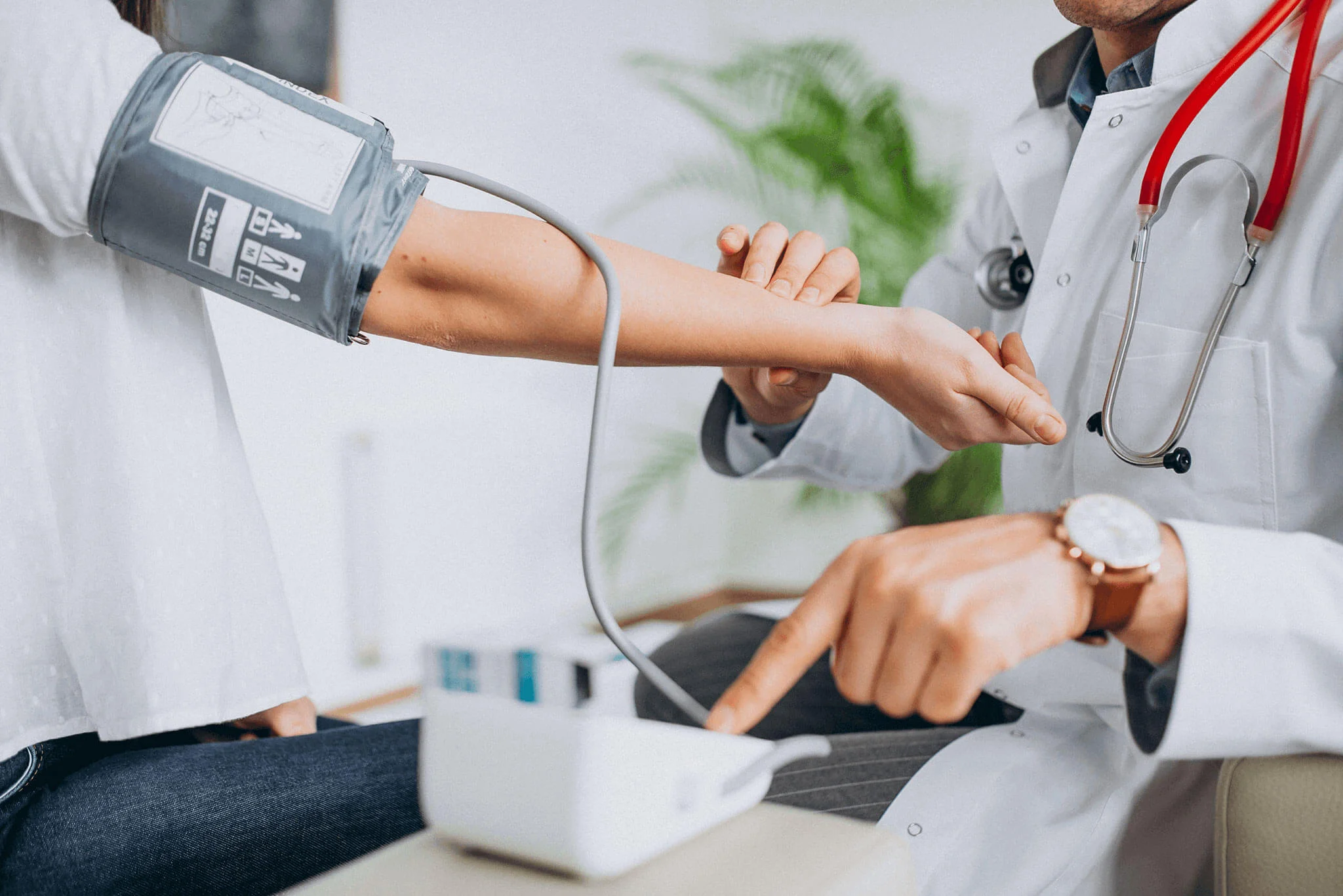
Hypertension Health Package
ECG, chest X-ray, abdominal ultrasound and blood and urine tests, built around high blood pressure.
See the test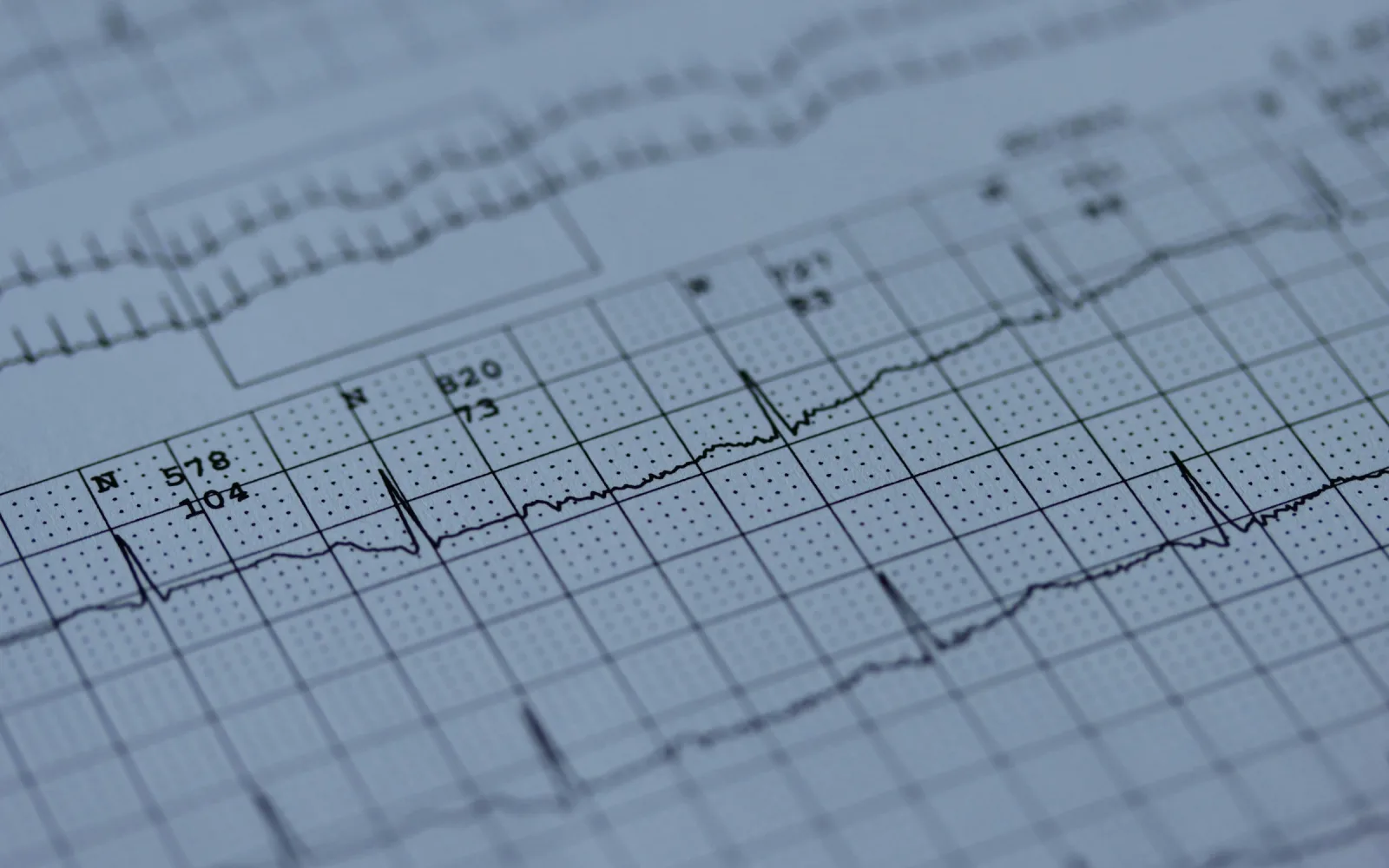
ECG
A tracing of the heart's rhythm and electrical activity.
See the test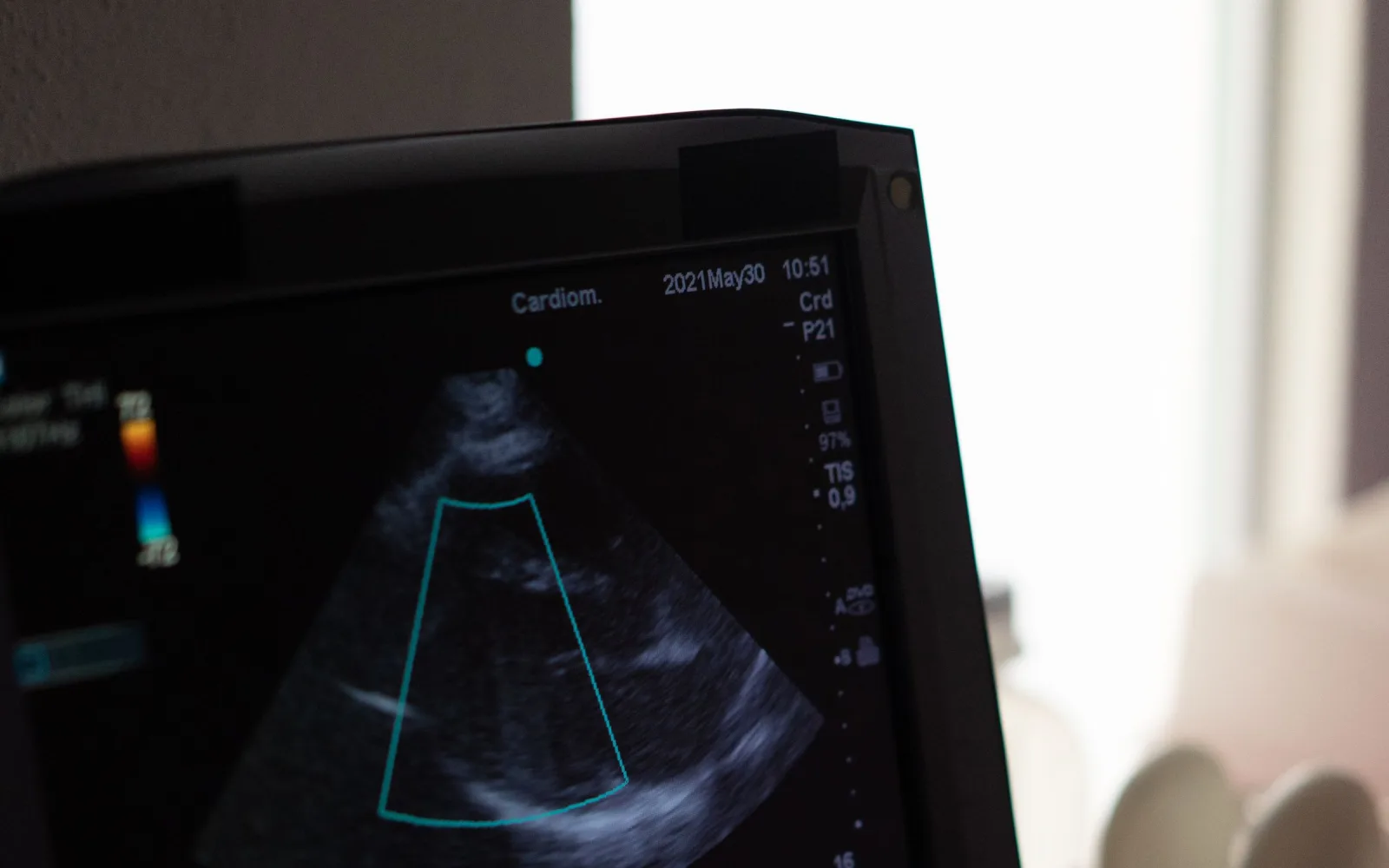
2D Echo
An ultrasound of the heart, if your doctor wants to see how it pumps.
See the test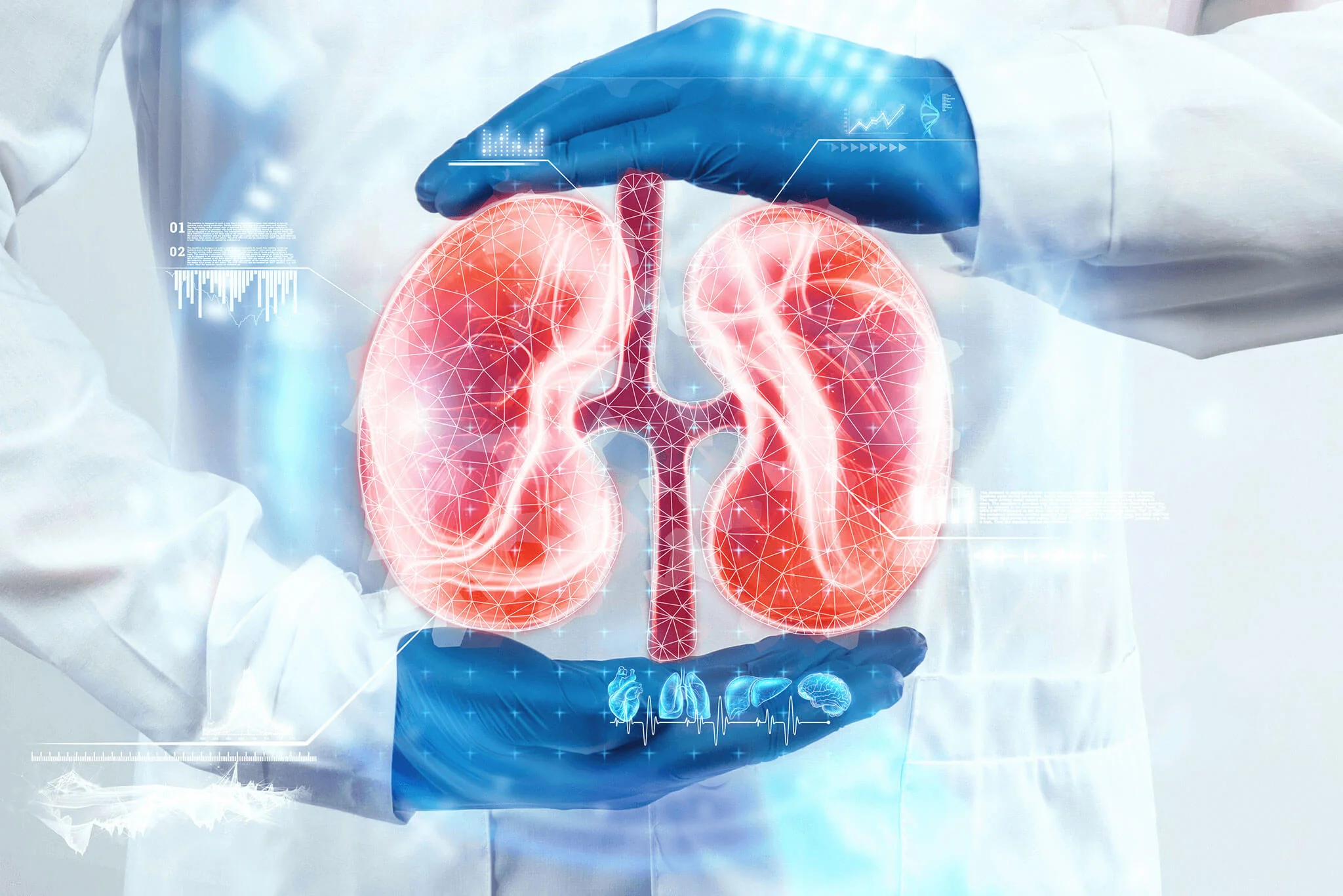
Kidney Health Package
Kidney blood tests, a urine test and a scan, to check the kidneys.
See the test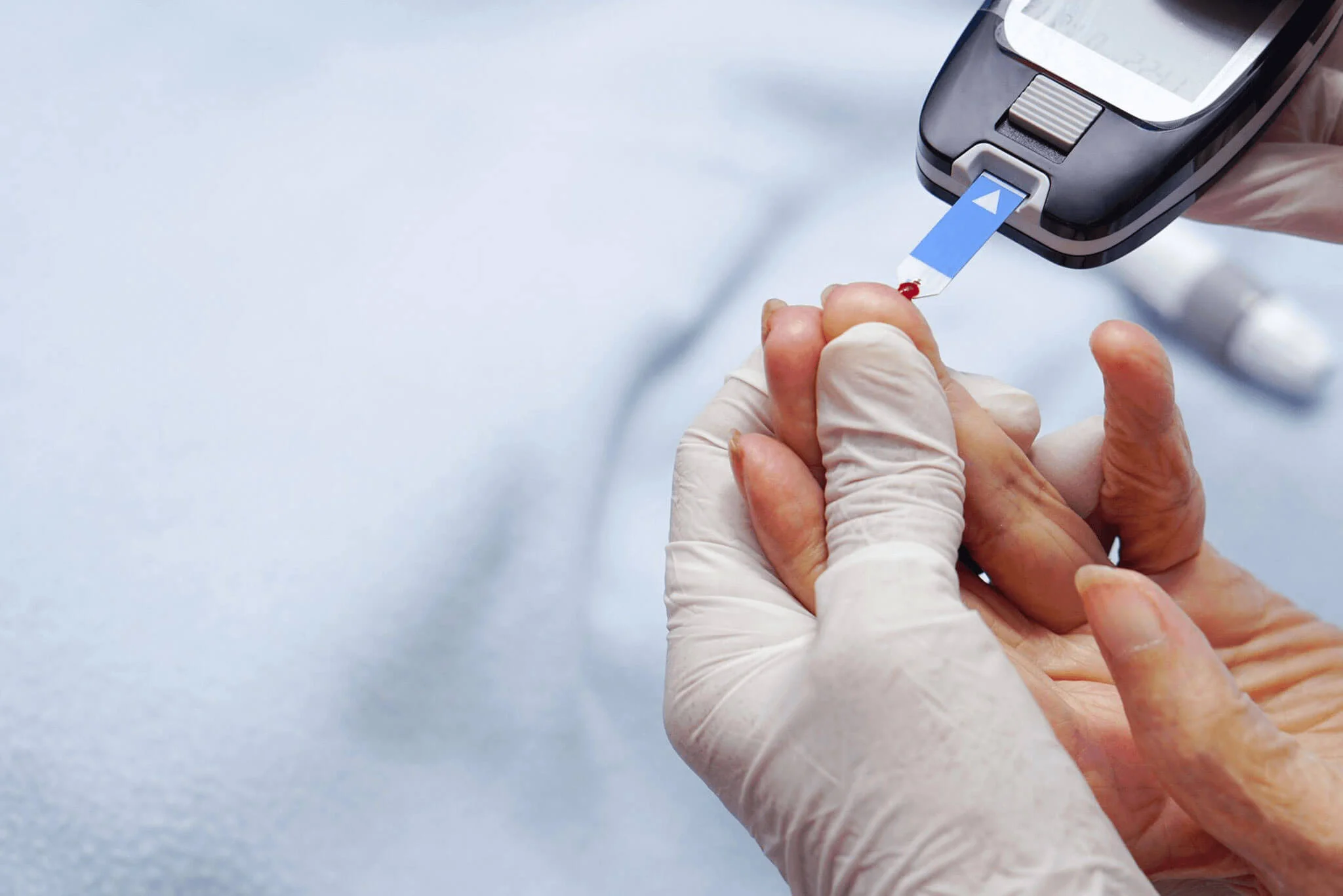
Diabetes Health Package
Diabetes and high blood pressure often go together, and this package looks at sugar control.
See the testWhen high blood pressure is an emergency
A reading of 180/120 or higher, even with no symptoms, needs a doctor's advice the same day. Do not wait for a check-up appointment. Go to the nearest hospital emergency department, or ask someone to take you, if a high reading comes with:
- Chest pain or pressure, or breathlessness at rest.
- A sudden severe headache, confusion or a fit.
- Weakness or numbness of the face, arm or leg, a drooping face or slurred speech.
- Sudden loss or blurring of vision.
- Vomiting and drowsiness with a very high reading.
- In pregnancy, a bad headache, blurred vision or pain under the ribs.
High blood pressure: common questions
What is a normal blood pressure reading?
Doctors usually describe a reading below about 120/80 as healthy for adults. A clinic reading of 140/90 or above on repeated checks is called high, and the usual limit at home is about 135/85. These are commonly published reference values, and your doctor decides what is right for you. A very low reading with dizziness or fainting also needs a doctor's advice.
Can high blood pressure be cured?
In most people, high blood pressure cannot be cured, but it can be controlled. Healthy habits help, and many people take daily tablets long term. Sometimes treating an underlying cause, such as a kidney or hormone problem, brings pressure down. Your doctor can tell you which applies to you.
How often should I check my blood pressure?
Adults should have their blood pressure checked regularly, even with no symptoms. Your doctor will say how often, and it is checked more often if you have diabetes, kidney disease, a family history or extra weight. If you have hypertension, your doctor will tell you how often to check at home.
Which tests do doctors order for high blood pressure?
Common ones are kidney function, blood sugar, cholesterol, a urine test and an ECG. Some people also need a 2D Echo or an abdominal ultrasound. The centre's hypertension package groups several of these, and your doctor decides which you need.
Can I stop my blood pressure tablets once my readings are normal?
No. Do not stop or change them on your own. Normal readings on treatment usually mean the tablets are working, not that the condition has gone. Your doctor may adjust the plan over time, and that decision is theirs.
Is a headache a sign of high blood pressure?
Not reliably. Most people with high blood pressure have no symptoms. A headache can happen when pressure is very high, but it has many other causes. A sudden severe headache with confusion, chest pain or weakness is an emergency.
Where can I get an ECG or a hypertension package in Gomti Nagar, Lucknow?
Lucknow Imaging Centre, at 4/12, Vijayant Khand, near Kathauta Chauraha, Gomti Nagar, Lucknow 226010, offers an ECG, a 2D Echo and a hypertension package. Call 0522-3180995 or message +91 70809 82920 on WhatsApp, and bring your prescription and a list of your medicines.
Keep reading
More health guides and tests
Blood tests explained
What the common blood tests measure, how to prepare and how to read your report.
Learn more
Hypertension Health Package
ECG, chest X-ray, abdominal ultrasound, kidney, lipid and sugar tests, CBC and urine.
Learn more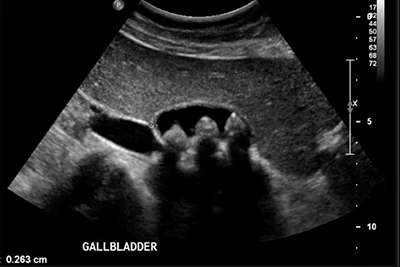
Gallstones
What gallstones are, the symptoms to watch for, how ultrasound finds them and how they are treated.
Learn more
Mental well-being
What mental well-being means, daily habits that help and when to talk to a doctor or counsellor.
Learn moreAppointments
Book a visit to Lucknow Imaging Centre in Gomti Nagar
Message us on WhatsApp or call the centre. Tell us the test you need and your preferred day, and the team will confirm the details.
4/12, Vijayant Khand, Gomti Nagar · 0522-3180995