Fluid Sampling and Drainage • Gomti Nagar
Ascitic Tap (Paracentesis) in Lucknow
An ascitic tap, or paracentesis, uses a needle to remove fluid that has collected in the abdomen. It relieves a tight, swollen belly and lets the fluid be tested to find the cause.
- Vijayant Khand, Gomti Nagar, Lucknow
- Mon to Sat 9 AM to 8 PM, Sun 10 AM to 2 PM
- Purpose
- Testing the fluid, or relief
- Guide
- Ultrasound finds a safe spot
- Numbing
- Local anaesthetic on the skin
- Fluid goes to
- A laboratory, if tests are ordered
What ascites is and what a tap does
Ascites is fluid that builds up inside the abdomen, between the lining of the belly and the organs. It makes the abdomen swell and feel tight. It can cause breathlessness, a feeling of fullness after eating very little and discomfort when lying down.
It has several causes, including liver disease, heart or kidney problems, infection and cancer. Finding the cause matters, because the treatment differs. An ascitic tap, also called paracentesis, passes a needle or a thin tube through the abdominal wall to remove fluid.
Not everyone with ascites needs a tap. Mild ascites is often managed with medicines and diet advice from your doctor. A tap is considered when the fluid needs testing or is causing distress.
A tap for testing, or a tap for relief
A diagnostic tap takes a small sample, enough for the laboratory. It is quick. It is often done when ascites is found for the first time. It is also done when a person with ascites develops fever or belly pain, because infection of the fluid needs urgent treatment.
A therapeutic tap, which means draining for relief, removes much more fluid, sometimes several litres, to ease pressure and breathlessness. The fluid drains slowly through a thin tube into a bottle or bag. It takes longer, and your pulse and blood pressure are checked. After a large drain, doctors sometimes give a drip of albumin, a blood protein, to protect the circulation.
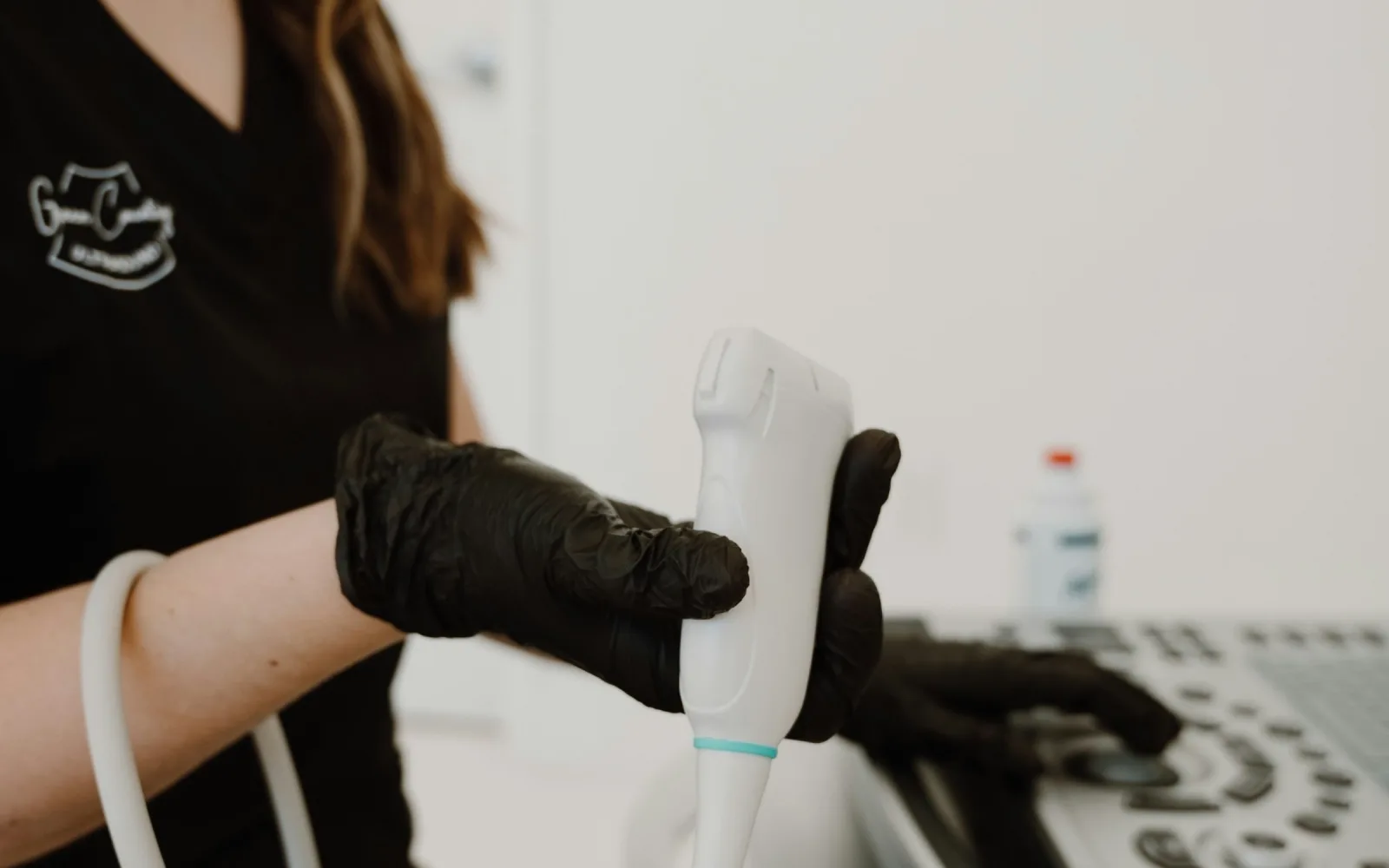
Ultrasound is used first to find a pocket of fluid and a safe spot, usually low on the side of the belly, away from the bowel and blood vessels. A walled-off pocket of infected fluid is treated differently, with a tube left in place, as described under PCD.
Whether a large drain can be done at the centre or must be done elsewhere is decided after the team reads your referral, scans and blood reports.
What the laboratory tests on the fluid
Your doctor decides which tests to order. The common ones are:
- Cell count: the number of white cells. A high count can mean the fluid is infected.
- Protein and albumin: compared with a blood albumin test taken the same day, these help show whether the cause lies in the liver, the heart or elsewhere.
- Culture: whether bacteria grow, and which antibiotics would work against them.
- Cytology: a pathologist looks for abnormal cells, which can point to cancer.
- Tests for tuberculosis, where your doctor suspects it.
The results go to the doctor who ordered the tests, who explains what they mean alongside the rest of your history. The team will tell you when to expect the reports. Blood tests taken on the same day can be done at our pathology lab.
Risks and limits
An ascitic tap is a common procedure, and serious problems are uncommon. The risks are:
- Leakage of fluid through the needle hole, which usually stops with a dressing.
- Bleeding in the belly wall, mostly small, and more likely if you have a clotting problem.
- Infection of the skin or of the fluid.
- A fall in blood pressure, dizziness or strain on the kidneys after a large drain.
- Injury to the bowel or bladder, which is rare. This is why you empty your bladder first and why ultrasound picks the spot.
A tap treats the symptom, not the cause. If the cause continues, the fluid usually returns, and repeat taps may be needed. Your doctor treats the cause alongside.
What happens during the tap
-
1
Review
The team reads your referral, your latest ultrasound and your blood tests. It confirms whether the tap is for testing, for relief or for both, and where it will be done.
-
2
Getting ready
You empty your bladder and lie back with your head raised. Your blood pressure and pulse are noted, and consent is taken.
-
3
Ultrasound and numbing
The radiologist scans the abdomen, marks a spot and cleans the skin. The skin and the tissue below are numbed with local anaesthetic.
-
4
Collecting the fluid
A needle or thin tube goes in. For testing, a syringe fills in a short time. For relief, the fluid drains slowly into a bottle or bag, and you stay still.
-
5
Dressing and observation
The tube is removed and a dressing goes on. After a larger drain your pulse and blood pressure are checked, and you rest for the time the team advises.
-
6
Samples
The fluid is labelled and sent for the tests your doctor has asked for.
Preparation and aftercare
Before your visit
- Bring your referral, your recent ultrasound and any earlier fluid reports.
- Have the blood tests the team asks for, such as a blood count and a clotting test.
- Empty your bladder just before the procedure.
- Tell the team about liver or kidney disease, allergies and every medicine. Tell your doctor too if you take a blood thinner, and do not stop any prescribed medicine yourself.
- Wear a loose top and trousers or a skirt with a soft waistband.
- Come with a relative or friend, especially if a large drain is planned.
Please bring
- Your doctor's prescription or referral
- Recent ultrasound report and images
- Blood test reports
- Earlier ascitic fluid reports, if any
- A list of your medicines
After your visit
- Leave the dressing on for as long as the team advises, and keep it dry.
- A little clear fluid on the dressing is common. If it soaks through, cover the site with a fresh clean dressing and tell the team.
- Get up slowly from lying down, and sit for a while before you stand.
- Follow your doctor's advice on salt, fluids and medicines. A tap does not replace them.
- Ask the doctor who ordered the tests to explain the report.
When to get help after an ascitic tap
Most people recover without problems. Go to the nearest emergency department at once if you faint, vomit blood or become confused or very drowsy. For the other signs below, get medical help the same day:
- Fever, chills or belly pain that is getting worse.
- Fluid that keeps leaking and soaks the dressing again and again.
- Bleeding, or a swelling that grows, around the needle site.
- Dizziness, fainting or a racing heart.
- Passing very little urine.
- New confusion, unusual drowsiness or vomiting blood.
Ascitic Tap: common questions
What is the difference between an ascitic tap and paracentesis?
There is none. They are two names for the same procedure. Ascitic refers to ascites, the fluid in the abdomen, and paracentesis is the medical word for puncturing a body cavity to remove fluid. You may also hear it called an abdominal tap.
Is an ascitic tap painful?
Mostly it is a brief sting from the numbing injection, then pressure and sometimes a tugging in the belly wall. A long, slow drain can leave you uncomfortable or achy. Tell the team if you feel sharp pain. The area can be sore for a day or two.
How much fluid is taken out?
A test sample needs only a small amount. A tap for relief can remove much more, sometimes several litres, depending on how tight your belly is and how your blood pressure responds. The doctor decides, and may stop early if you feel dizzy.
Will the fluid come back?
It may. The tap removes fluid but does not treat what is producing it. If the cause continues, the belly can fill again over days or weeks. Your doctor treats the cause and may plan repeat taps.
Do I need to stay in hospital after an ascitic tap?
A small sample usually needs only a short rest. After a large drain you may need longer observation, and some people are kept in hospital, depending on their liver, kidneys and blood pressure. The team explains this when your papers are reviewed.
Can I eat and drink before an ascitic tap?
Usually yes, unless the team gives you a different instruction. Empty your bladder just before. If you are told to fast, ask your doctor how to manage diabetes tablets or insulin.
Is an ultrasound needed before an ascitic tap?
Usually yes. A scan just before the tap lets the radiologist find the largest safe pocket of fluid and keep clear of the bowel. Bring your latest ultrasound report, because it shows how much fluid there was and where.
Where can I get an ascitic tap in Lucknow?
Message the centre at 4/12, Vijayant Khand, near Kathauta Chauraha, Gomti Nagar, on WhatsApp at +91 70809 82920 with your prescription and ultrasound report. The team confirms whether the tap, and any large drain, can be done at the centre or elsewhere. Fluid around the lung has its own page, pleural tap.
Related services
Tests and care that often go together
Appointments
Ask about Ascitic Tap in Gomti Nagar, Lucknow
Send your prescription and any earlier reports on WhatsApp or call the centre. The team reviews them and tells you the next step.
4/12, Vijayant Khand, Gomti Nagar · 0522-3180995
