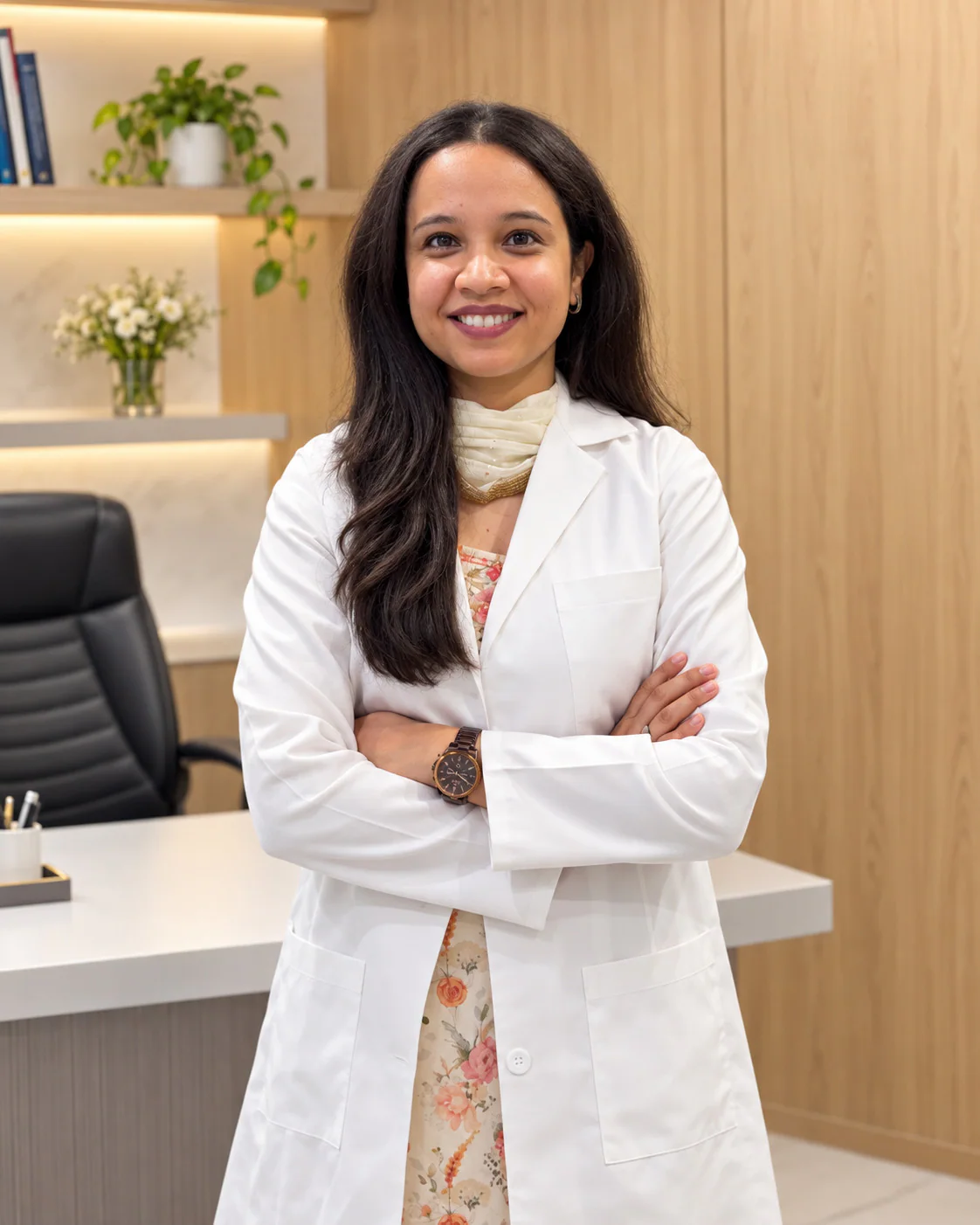
Dr. Pranjali Joshi
Breast Radiologist
- MBBS (KGMU)
- MD Radiodiagnosis (Dr. RMLIMS)
- PDCC Breast Imaging (AIIMS Rishikesh)
Your own doctor advises when screening should start. The breast radiologist at the centre is Dr. Pranjali Joshi.
Read her profile4/12, Vijayant Khand, Gomti Nagar, Lucknow Mon–Sat 9 AM–8 PM · Sun 10 AM–2 PM
Advance Breast Care • Screening
Breast cancer screening means checking for cancer before you have any symptoms, usually with a mammogram. Your doctor advises when to start and how often, based on guidelines and your own risk.
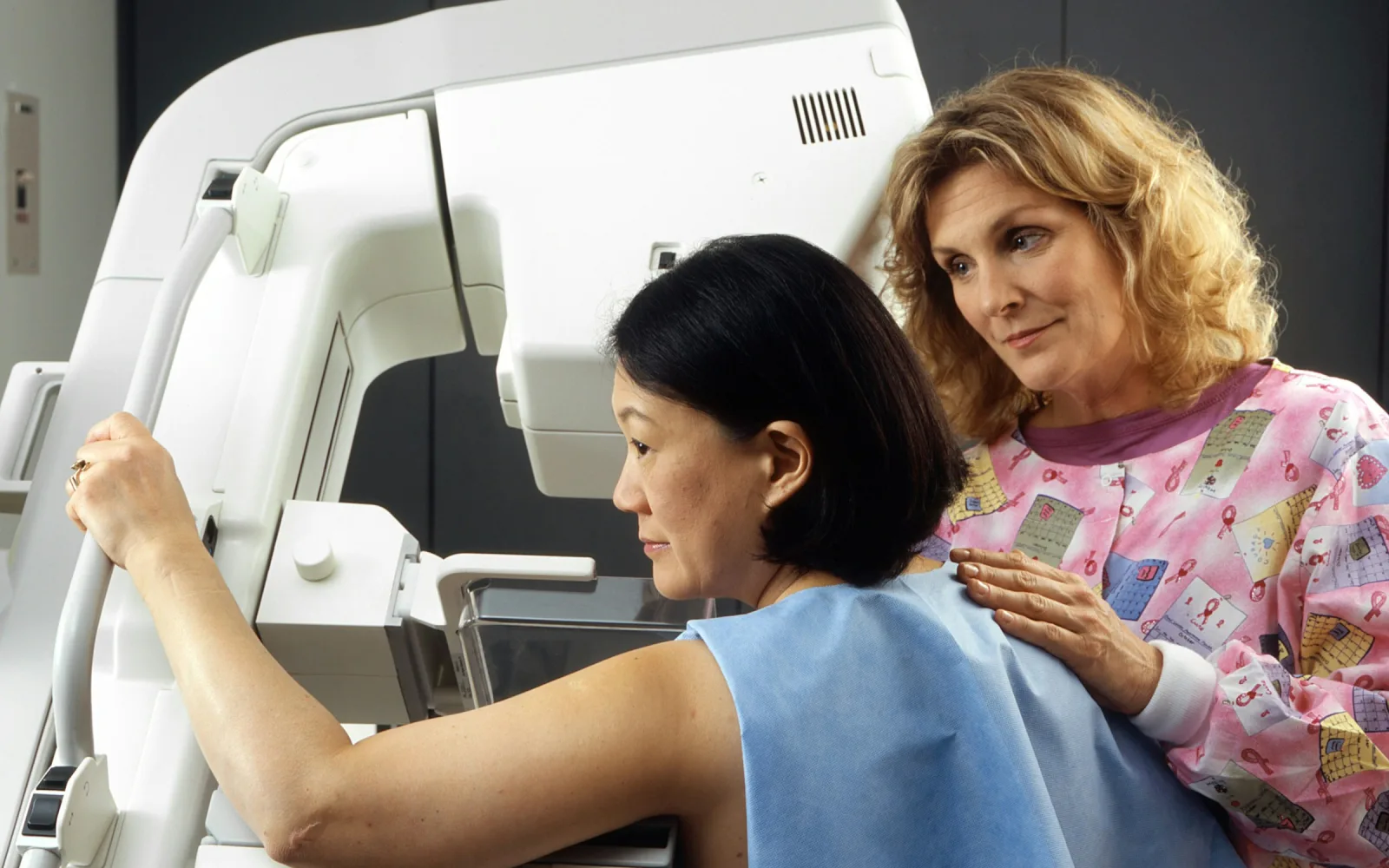
Breast cancer screening is a test for women who feel well and have no breast symptoms, done to find a cancer early if one is there. Cancers found early are generally easier to treat, and that is the reason for screening.
Screening has limits, and it is fairer to know them. It does not prevent breast cancer. It can miss a cancer, particularly in dense breasts. It can also pick up changes that need extra tests and then turn out to be harmless. A call-back can be worrying, but it is a normal part of how screening works.
Screening is not the same as checking a symptom. If you have noticed a change, do not wait for a screening date: go straight to an examination. For a lump, see breast lump evaluation.
The age to start and the gap between screens are not the same for everyone. Guidelines differ between countries and medical bodies, and they also depend on personal risk, so no single age fits every woman. Your doctor will advise you.
These are the points your doctor takes into account:
Women at higher risk are sometimes advised to begin earlier or to have extra imaging, such as a breast ultrasound or an MRI. We do not have an MRI scanner, so your doctor will say where to have one done, and we can review the images.
One relative with breast cancer does not mean you will get it, and most women who develop breast cancer have no close relative with it. The picture changes when several relatives are affected, when a relative was diagnosed young, or when ovarian cancer appears in the same family.
Tell your doctor what you know: who was affected, how they are related to you and roughly how old they were. That is more useful than a simple yes or no. Your doctor may suggest earlier screening, extra imaging or a talk with a genetic counsellor.
Mammography is the standard screening test. Each breast is imaged with a low dose of radiation. Some women have 3D mammography, which takes the pictures in layers, and some have a breast ultrasound added when their breasts are dense. Your doctor decides, and not everyone needs more than a mammogram.
An examination by a doctor, and knowing how your own breasts look and feel, are also useful. Neither replaces a mammogram, and a mammogram does not replace noticing a change. Report anything new, even soon after a normal screen.
You are asked to come back for more tests, and most women who are called back turn out not to have cancer. This is the usual path, so it helps to know it in advance.
Message or call the centre and say this is a screening mammogram. Mention any family history, and keep your last report ready if you have one.
You are asked about symptoms, earlier breast tests, family history and whether you may be pregnant. Say if you have a lump, even if you came for screening, because that changes the test.
After changing into a gown, you have each breast pressed briefly between two plates while pictures are taken. It is usually two pictures of each breast, and it can be uncomfortable for a few seconds.
The radiologist compares your pictures with earlier mammograms and writes the report. The team will tell you when and how it reaches you.
If all is clear, your doctor advises when to have the next one. If more tests are needed, the team explains why and what comes next.
Before your visit
Please bring
After your visit
If you notice any of these, see a doctor soon rather than waiting for a screening date, even if your last mammogram was normal:
Dr. Pranjali Joshi
Breast Radiologist
Your own doctor advises when screening should start. The breast radiologist at the centre is Dr. Pranjali Joshi.
Read her profileThere is no single age that suits everyone. Guidelines differ, and your own risk matters. Your doctor will advise when to start, and may suggest an earlier start if breast cancer runs in your family.
The gap depends on the guideline your doctor follows and on your risk, so your doctor will advise you. Ask your doctor for the interval and note it down, so you can plan the next one.
Yes. Most women with breast cancer have no close family history, which is why screening advice rests on age and other factors, not on family history alone. Ask your doctor whether it is time for you.
It usually means the radiologist wants a closer look at one area. The reasons include a picture that was not clear, or tissue that overlapped. Most women who are called back are told that all is well.
No. A normal mammogram does not rule out a change that appears afterwards, and mammograms can miss changes, especially in dense breasts. See a doctor soon about any new lump, whatever your last result was.
Not necessarily. A standard mammogram is the usual screening test. 3D mammography or an added breast ultrasound may be advised if your breasts are dense or your risk is higher. Your doctor will decide with you.
No. Screening looks for a cancer that is already there and does not stop one forming. Its aim is to find a cancer early, when it is generally easier to treat.
Screening mammograms are done at 4/12, Vijayant Khand, near Kathauta Chauraha. Message the team on WhatsApp at +91 70809 82920 or call 0522-3180995, say it is for screening and mention any family history. The team will confirm the test and how to prepare.
Related services
The standard screening test, and how to prepare for it.
Learn more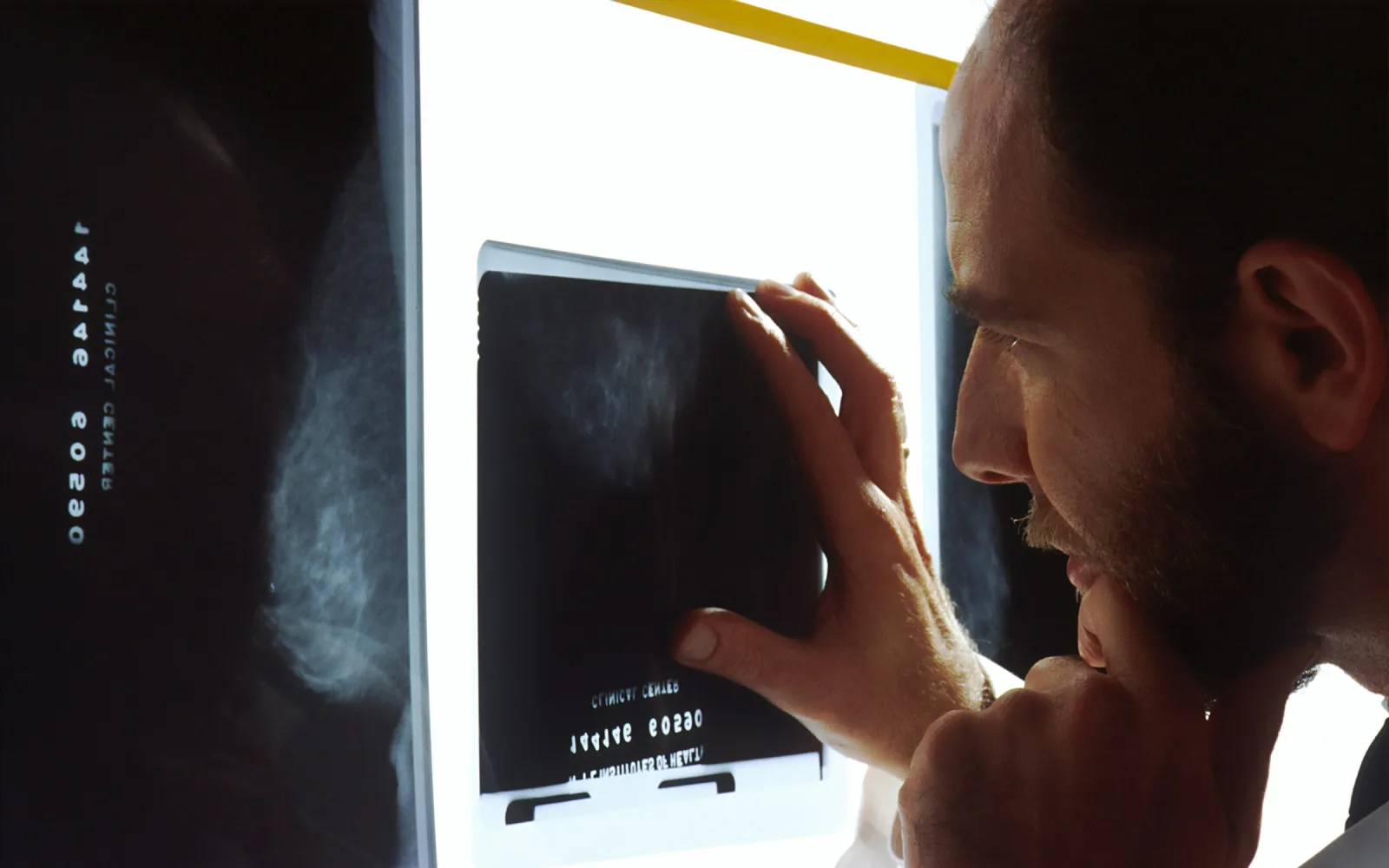
A screening option that images the breast in layers.
Learn more
Why dense tissue can need extra imaging.
Learn more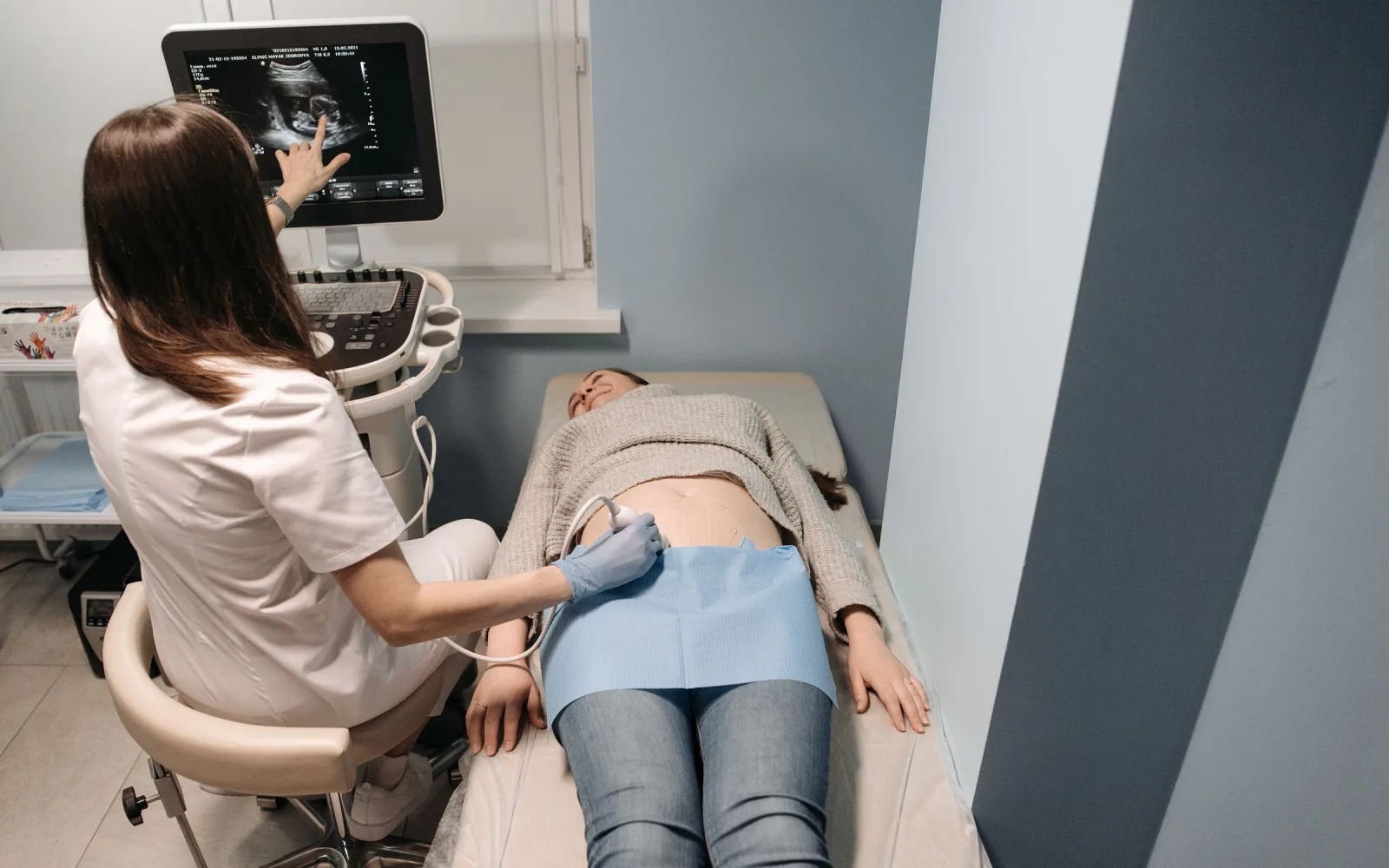
A radiation-free scan for lumps, dense breasts and younger women.
Learn moreAppointments
Message us on WhatsApp or call the centre. Tell us the test you need and your preferred day, and the team will confirm the details.
4/12, Vijayant Khand, Gomti Nagar · 0522-3180995
