Breast Symptoms • Gomti Nagar

Breast Lump Evaluation in Gomti Nagar, Lucknow

Breast lump evaluation starts with an examination and imaging, and uses a needle test only when needed. Most breast lumps are not cancer, but every new lump should be checked.

Call
  • Vijayant Khand, Gomti Nagar, Lucknow
  • Mon to Sat 9 AM to 8 PM, Sun 10 AM to 2 PM
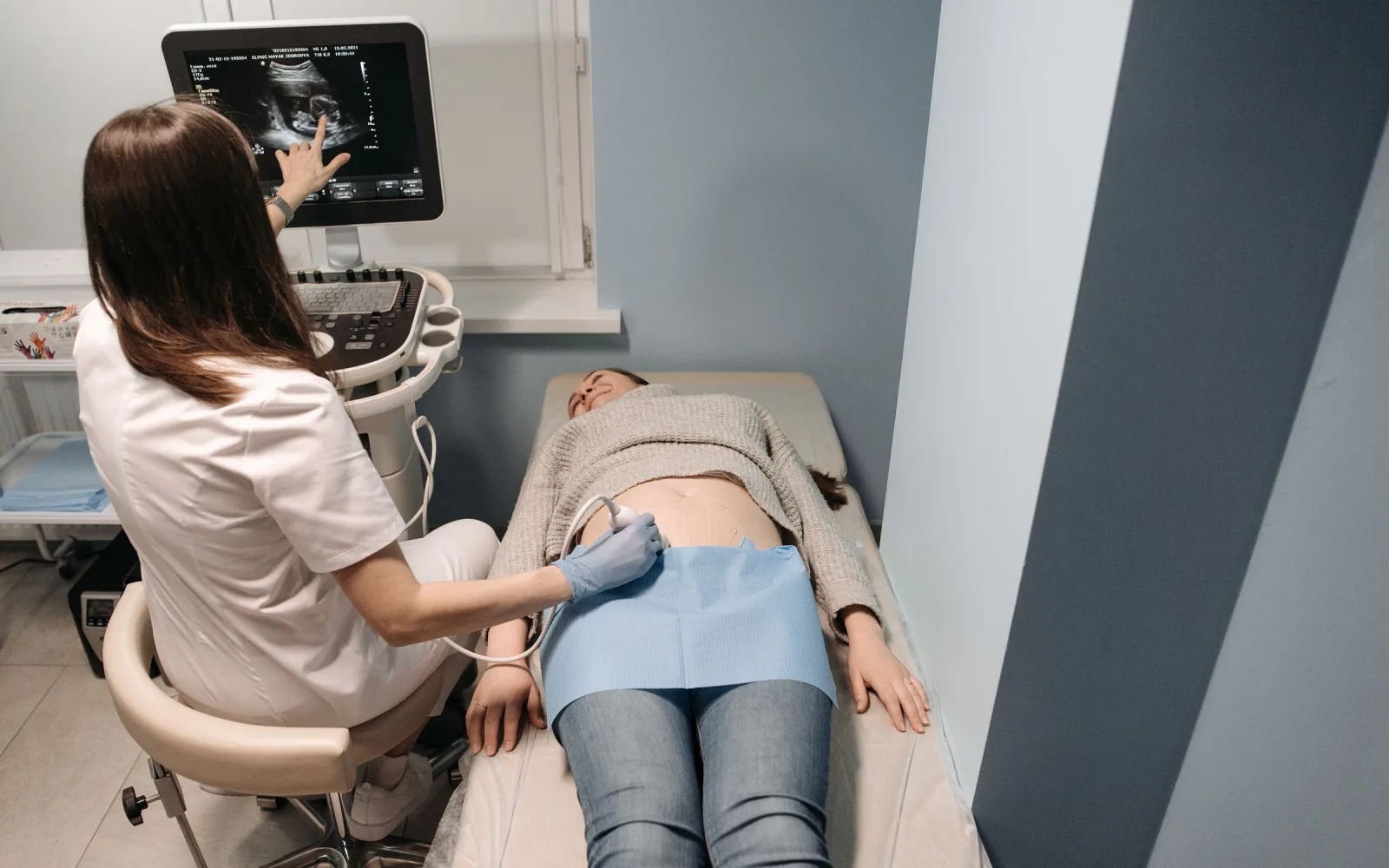
Woman sonographer performing an ultrasound on a woman patient
Most lumps
Are not cancer
First steps
Examination, then imaging
Needle test
Only if still needed
Timing
Be examined soon

What a breast lump can be

A breast lump can be many things, and most of them are harmless. The common ones are listed here so that a lump does not feel like a mystery. No lump can be judged safe by feel alone, even by a doctor.

  • A cyst: a smooth, fluid-filled sac. It is common, may be tender, and often changes with the menstrual cycle.
  • A fibroadenoma: a firm, rubbery lump that moves under the finger. It is a common harmless lump, mostly in younger women.
  • Normal lumpy tissue: many breasts feel ropey or lumpy, particularly before a period.
  • An infection or abscess: a painful, red, warm area, most often in women who are breastfeeding. An abscess is a collection of pus.
  • A scar or injury: a firm area after a knock or an operation, caused by damaged fatty tissue.
  • Breast cancer: less often, and it is the reason every new lump is checked.

Cancerous lumps are often hard and do not hurt, but not always, and a painful lump is not automatically safe. Feel and pain cannot settle the question, which is why imaging and sometimes a needle test are used.

How a lump is assessed: the triple assessment

Triple assessment means three checks combined into one answer: an examination, imaging and, when needed, a needle test. Each can mislead on its own. Together they are more dependable.

  • 1. Examination. A doctor feels both breasts and the underarms and asks when you noticed the lump and whether it has changed.
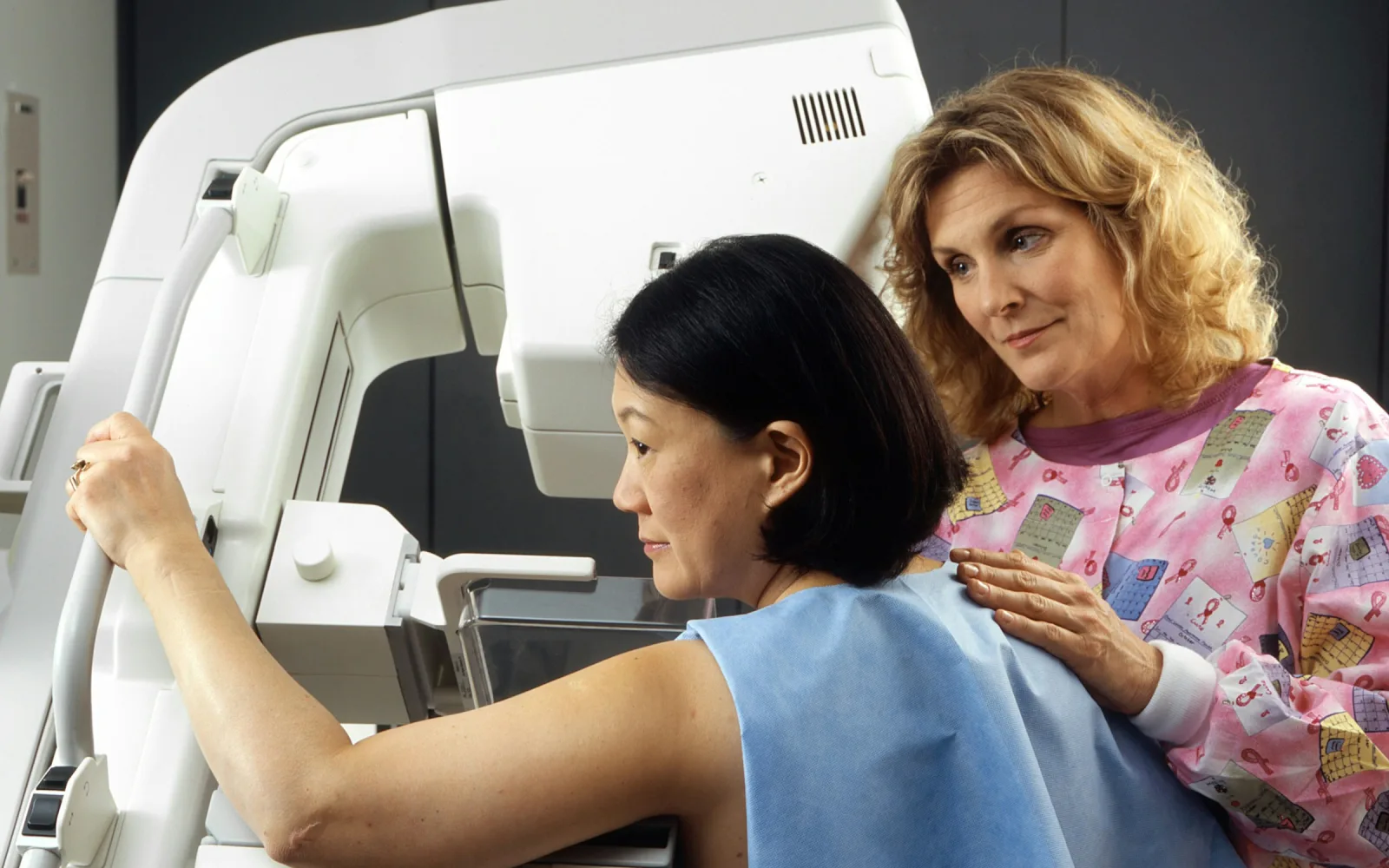
  • 2. Imaging. A breast ultrasound shows whether the lump is a cyst or solid, and it is often the first scan, especially in younger women. A mammogram is added when your doctor advises it, and more often in older women.
  • 3. A needle test, when needed. If the lump is solid or looks uncertain, a small sample is taken with a thin needle. It is examined under the microscope, as in breast FNAC or breast biopsy. A simple cyst usually needs no sample.

You will not necessarily have all three. If the examination and imaging both show something clearly harmless, such as a simple cyst, the needle test is skipped. The radiologist explains why a test is advised before it is done.

What the results can lead to

The tests lead to one of a few outcomes.

  • Reassurance: the lump is a harmless one and nothing more is needed, sometimes with a repeat scan after a few months.
  • A cyst treated: a painful cyst can be drained with a needle. See breast cyst aspiration.
  • A sample taken: the tissue is examined, and the result guides what comes next.
  • A referral: if the tests show something that needs treatment, you are referred to a breast surgeon or an oncologist, with the reports and images.

A report is only one part of the picture. Your own doctor puts it together with your examination, so take it to them rather than relying on the wording alone.

What happens when you come in

  1. 1

    Booking

    Message or call the centre and say you have found a lump. Tell the team where it is and when you noticed it, and send the prescription if you have one.

  2. 2

    The examination

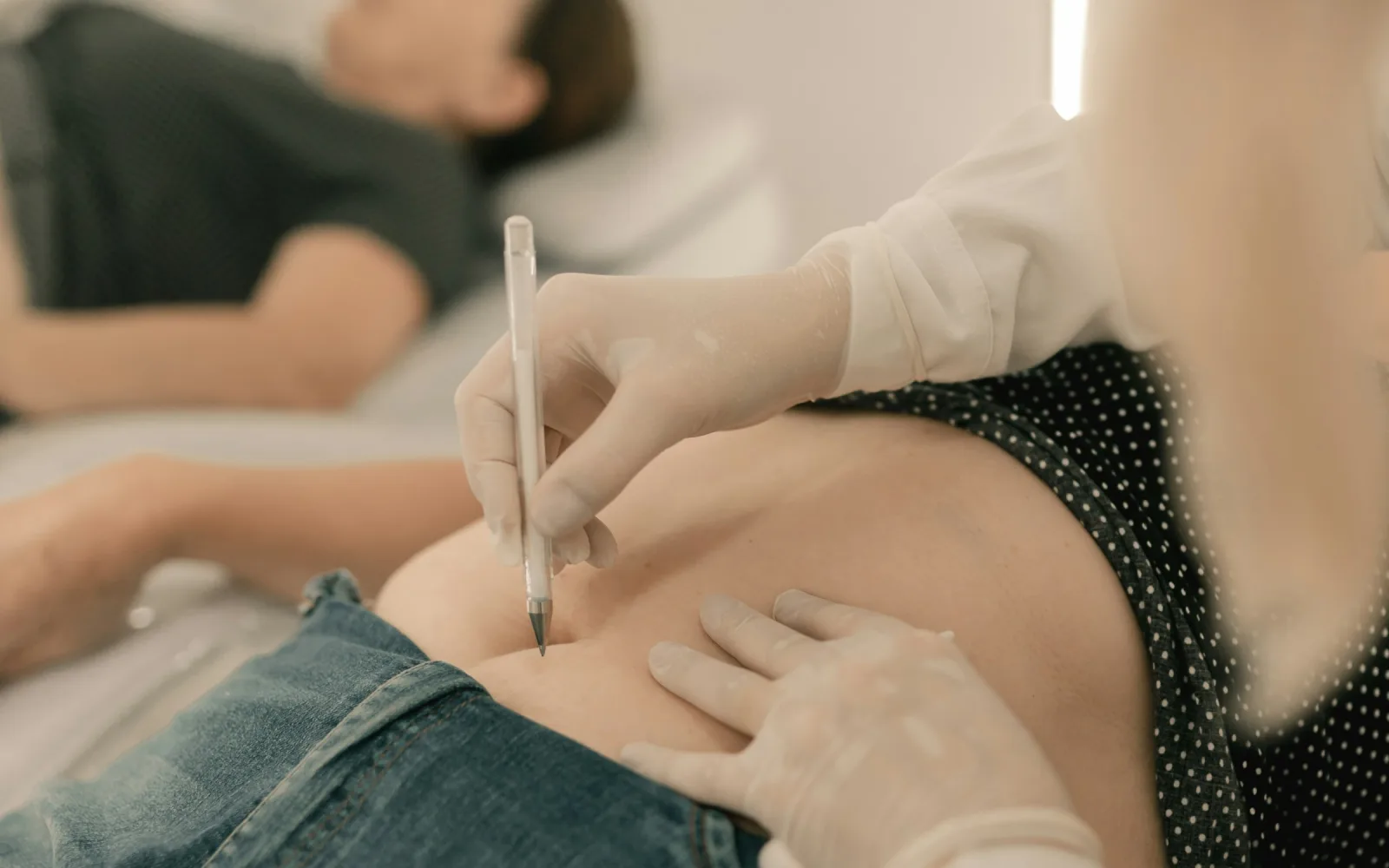
    A doctor feels both breasts and the underarms. Many people have this with their own doctor or a breast surgeon, before or after the scan. At the scan you show the radiologist exactly where the lump is.

  3. 3

    Imaging

    You have a breast ultrasound, a mammogram or both, depending on your age, your symptoms and what the doctor advised.

  4. 4

    A needle test, only if needed

    If imaging cannot settle what the lump is, the radiologist explains the test and asks your agreement. The team tells you whether it can be done at the same visit or on another day.

  5. 5

    Report and plan

    The team tells you when and how the report reaches you. Take it to your own doctor, who plans what comes next.

Preparation and aftercare

Before your visit

  • Note when you found the lump, where it is, its rough size and whether it changes with your period.
  • Do not squeeze, press or massage the lump repeatedly. It can make the area sore and harder to examine.
  • Tell the team if you take blood-thinning medicines, but do not stop them unless your doctor tells you to.
  • Say if you are pregnant or breastfeeding. Ultrasound uses no radiation and is often the first scan.
  • Wear clothes that are easy to change out of.

Please bring

  • Your doctor's prescription or referral
  • Earlier mammograms and ultrasound scans, with their reports
  • Any earlier biopsy or pathology reports

After your visit

  • Take the report to the doctor who is following your lump and ask what the next step is.
  • If a needle test was done, the team will tell you how to care for the spot.
  • Keep watching the lump. Tell your doctor about any change in size, shape or colour, even after a reassuring result.
  • Keep all your reports and images together for future visits.

When to be seen quickly

Every new lump should be examined soon. Do not wait for a routine appointment if the lump comes with:

  • A red, hot, painful breast with fever or chills. Please see a doctor the same day, because an infection or abscess needs treatment.
  • A lump that has grown noticeably over a few days or weeks.
  • Skin over the lump that is dimpled, puckered or looks like orange peel.
  • Blood-stained discharge from the nipple, or a nipple that has turned inwards.
  • A hard lump under the arm as well.

Meet our radiologist

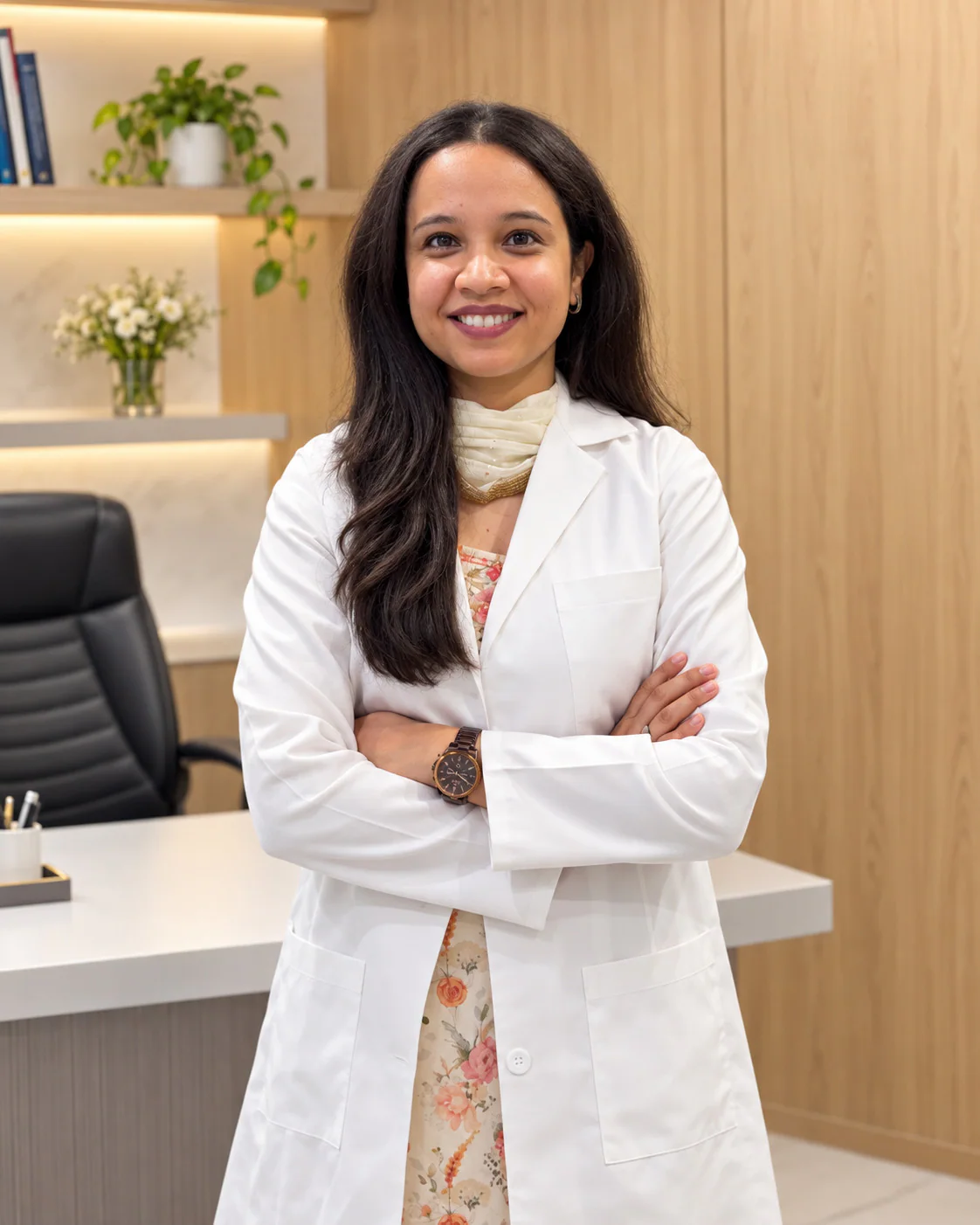
Dr. Pranjali Joshi, Breast Radiologist at Lucknow Imaging Centre

Dr. Pranjali Joshi

Breast Radiologist

  • MBBS (KGMU)
  • MD Radiodiagnosis (Dr. RMLIMS)
  • PDCC Breast Imaging (AIIMS Rishikesh)

The breast radiologist, Dr. Pranjali Joshi, trained in breast imaging at AIIMS Rishikesh. Her page explains when a specialist look is useful.

Read her profile
Breast Lump Evaluation: common questions

Is every breast lump cancer?

No. Most breast lumps are not cancer. Cysts, fibroadenomas and normal lumpy tissue are far more common. A lump cannot be judged by feel alone, though, so every new lump should be examined and imaged.

Which test is done first for a breast lump?

It depends on your age and the examination. In younger women a breast ultrasound is usually first, because breast tissue is denser. In older women a mammogram is usually done as well. Your doctor or the radiologist chooses the order.

Do I need a biopsy for every breast lump?

No. A simple cyst, or a lump that is clearly harmless on examination and imaging, may need no sample. A needle test is advised when the lump is solid, looks uncertain or looks suspicious. The radiologist explains why before doing anything.

How quickly should I get a breast lump checked?

Within days, not weeks. Some lumps change with the menstrual cycle, and a doctor may ask you to return after a period, but that is the doctor's decision after examining you. Do not wait at home to see whether it goes away.

I found a lump while pregnant or breastfeeding. What should I do?

Get it checked in the same way. Breast changes are common at these times and most lumps are harmless, but they still need examining. A breast ultrasound uses no radiation and is often the first test. Tell the team that you are pregnant or breastfeeding when you book.

Does a lump that does not hurt mean it is safe?

No. Pain does not tell a harmless lump from a worrying one. Many harmless lumps are tender. Some cancers hurt and some do not. Every new lump needs the same checks, whether or not it hurts.

Can I book a breast lump check without a prescription?

A prescription helps, but do not delay if you do not have one. Message the team, tell them about the lump, and they will say what is possible. A doctor's examination is part of the assessment, and the team will tell you how to arrange it.

Where can I get a breast lump checked in Gomti Nagar, Lucknow?

At 4/12, Vijayant Khand, near Kathauta Chauraha, Gomti Nagar. Message the team on WhatsApp at +91 70809 82920 or call 0522-3180995, and say you have a lump so the right appointment is planned. You can reach us from Indira Nagar, Gomti Nagar Extension and Faizabad Road.

Last updated 12 October 2026.

This page gives general information to help you prepare. It does not replace advice from your own doctor, who knows your history and examination findings.

Appointments

Ask about Breast Lump Evaluation in Gomti Nagar, Lucknow

Send your prescription and any earlier reports on WhatsApp or call the centre. The team reviews them and tells you the next step.

4/12, Vijayant Khand, Gomti Nagar · 0522-3180995

Reception at Lucknow Imaging Centre, Gomti Nagar
