

Breast Procedure • Gomti Nagar

Breast Cyst Aspiration in Gomti Nagar, Lucknow

A breast cyst is a sac of fluid. Breast cyst aspiration draws that fluid out with a fine needle, guided by ultrasound. Here is when it is done and what happens to the fluid.

Call
  • Vijayant Khand, Gomti Nagar, Lucknow
  • Mon to Sat 9 AM to 8 PM, Sun 10 AM to 2 PM
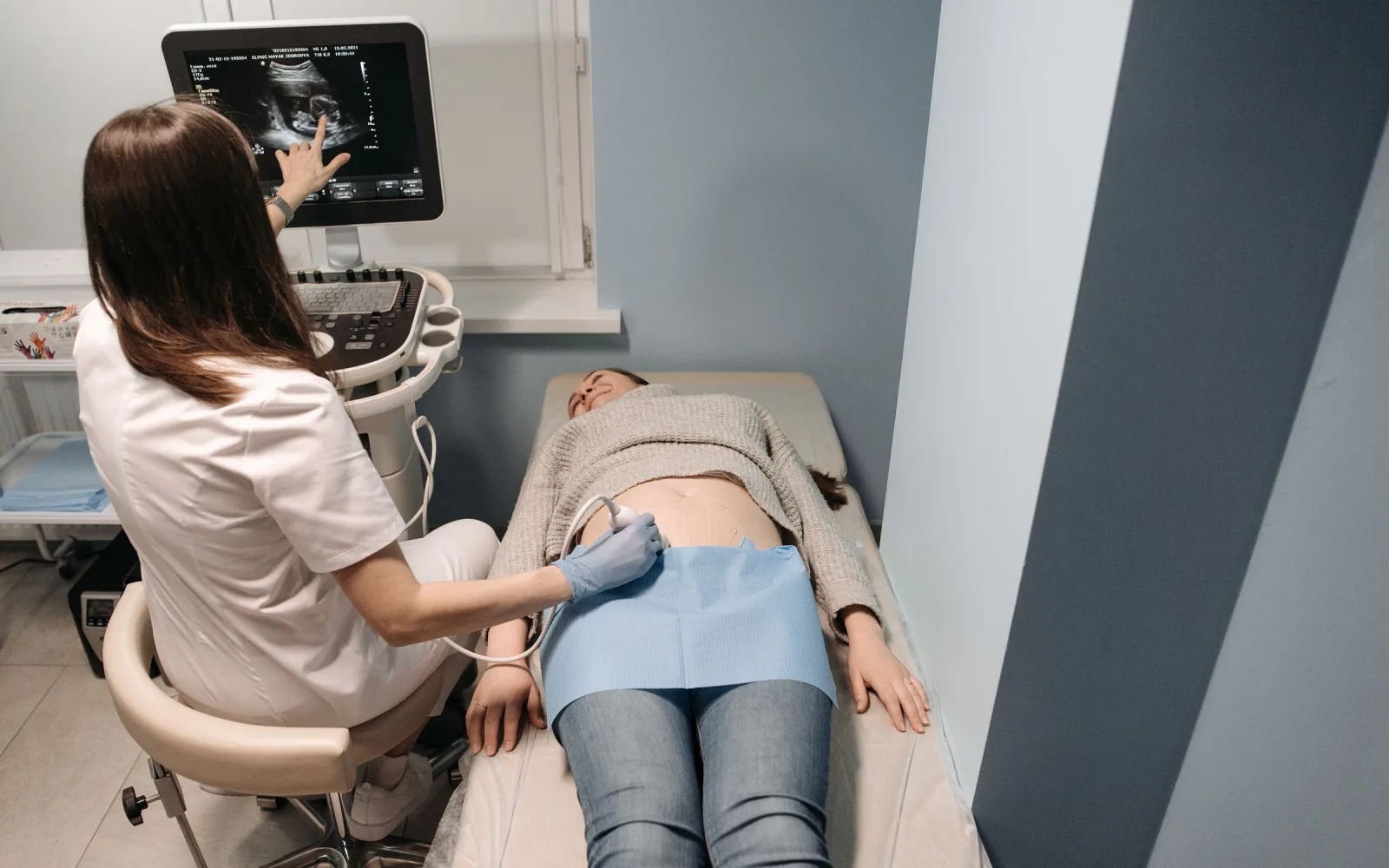
Ultrasound console for guided breast aspiration
Needle
Fine needle, no stitches
Guidance
Ultrasound shows the cyst live
Fluid
Tested only if it needs testing
Return
A cyst can fill up again

What is a breast cyst?

A breast cyst is a smooth, fluid-filled sac in the breast. Cysts are common, especially in women in their thirties and forties. A simple cyst is benign. It can feel like a soft or firm round lump, may be tender, and often changes in size with the menstrual cycle.

A breast ultrasound tells a cyst from a solid lump. A simple cyst looks like a clear sac with thin walls. A cyst with thick walls, debris or a solid part inside is handled differently, with closer follow-up or sampling, because it needs more than draining.

When is a breast cyst aspirated?

Aspiration is done for a reason, not as a routine. Most simple cysts that cause no trouble are left alone and checked again if needed. Doctors may suggest draining when a cyst is painful, large enough to bother you, or when a lump has to be proven to be a cyst.

In the last case the answer is quick. If the lump is a cyst, it flattens as the fluid comes out and the lump disappears. If a lump remains afterwards, or the fluid is blood-stained, more tests are needed.

A solid lump cannot be drained. For that, doctors use a needle test that collects cells or tissue, such as breast FNAC or a breast biopsy. A new lump of any kind is first assessed as described on the breast lump evaluation page.

What happens to the fluid?

The fluid is either discarded or sent to the laboratory, depending on how it looks. Cyst fluid is often pale yellow, but it can look green, brown or cloudy and still be harmless. The doctor notes the colour as it comes out.

Fluid is sent for testing when it is blood-stained, when a lump is left behind, or when the scan showed a complicated cyst. The laboratory then looks at the cells in the fluid. Clear fluid from a simple cyst is usually not sent.

Can the cyst come back, and what are the risks?

Yes, a cyst can fill again, sometimes within weeks and sometimes not for years. New cysts can also form elsewhere in the breast. A cyst that returns once or twice is not a worry in itself. Your doctor may drain it again, watch it, or advise another scan if it behaves differently.

The risks are small. You may have a bruise, soreness at the needle site or a little bleeding. Infection is uncommon, and a collection of blood in the breast is rare. The team confirms for each case whether aspiration is suitable and who carries it out.

What happens during aspiration

  1. 1

    Ultrasound check

    Before anything is drained, the doctor scans the cyst and the tissue around it to confirm that it is a fluid-filled cyst and to decide whether draining will help.

  2. 2

    Cleaning the skin

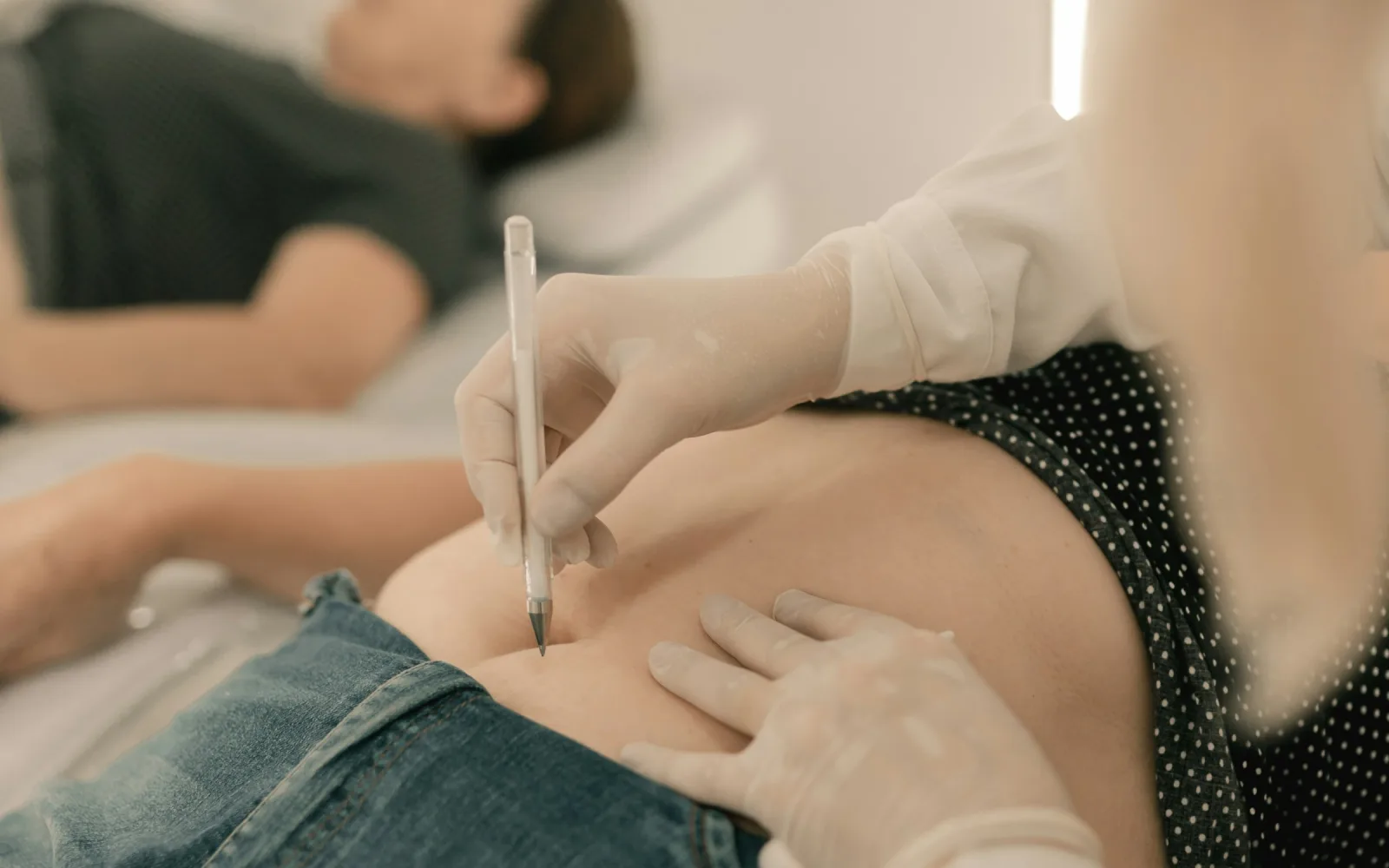
    You lie back on a couch and the skin is cleaned. The doctor will tell you whether local numbing is used.

  3. 3

    Draining the fluid

    A fine needle on a syringe is guided into the cyst while you both watch the screen. The fluid is drawn out and the cyst collapses. You may feel a pinch and some pressure.

  4. 4

    Checking the result

    The doctor scans again to see that the cyst has emptied and no solid part is left. The fluid is discarded, or labelled for the laboratory if it needs testing.

  5. 5

    Pressure and plaster

    Pressure is held on the spot for a few minutes and a plaster is applied. The team explains aftercare and whether a review scan is needed.

Preparation and aftercare

Before your visit

  • No fasting or special preparation is usually needed.
  • Mention blood thinners and bleeding problems to the team. Do not stop any medicine unless your doctor tells you to.
  • Say if you have allergies, or if you are, or might be, pregnant or breastfeeding.
  • Pick a top that is easy to lift or take off.

Please bring

  • Your doctor's note
  • Earlier breast scans and reports
  • Details of any earlier cyst drainage

After your visit

  • Leave the plaster on for the first day and keep it clean and dry.
  • Mild soreness or a small bruise is common. Check with the team before taking a painkiller.
  • A comfortable, supportive bra can help if the breast feels heavy.
  • Tell your doctor if the lump returns. Do not press or squeeze the area repeatedly.
  • Keep any review date you are given.

Warning signs after aspiration

Contact the team or your doctor the same day, or go to an emergency department if you cannot reach them, if you notice:

  • The lump comes back quickly, or part of it was never drained.
  • Bleeding that does not stop after ten minutes of firm pressure.
  • Pain, redness, warmth or swelling that is increasing, or a fever.
  • A new lump, nipple discharge or skin change that looks different from the cyst.
  • Breathlessness or chest pain.

Meet our radiologist

Dr. Pranjali Joshi, Breast Radiologist at Lucknow Imaging Centre

Dr. Pranjali Joshi

Breast Radiologist

  • MBBS (KGMU)
  • MD Radiodiagnosis (Dr. RMLIMS)
  • PDCC Breast Imaging (AIIMS Rishikesh)

Dr. Pranjali Joshi is the centre's breast radiologist. Whether aspiration is right for your cyst, and who carries it out, is confirmed after the team looks at your scan.

Read her profile
Guided Breast Aspiration: common questions

How does it feel to have a breast cyst drained?

Most people feel a pinch as the needle goes in and pressure as the fluid is drawn out. A tender cyst often feels easier as it empties. Tell the doctor if anything hurts so they can pause.

Is a breast cyst cancer?

A simple cyst is benign. Rarely, a cancer can have a fluid-filled part, which is why the look of the cyst on the scan matters and why complicated cysts are followed more closely. A scan and examination tell the two apart.

Can a breast cyst go away by itself?

Yes. Many cysts shrink or vanish without treatment, often as hormones change through the menstrual cycle, and a simple cyst without symptoms can be left alone. A new lump should still be checked before you assume it is a cyst.

Do I need an ultrasound before cyst aspiration?

Yes. The scan shows whether the lump is truly a cyst, where the needle should go and whether anything solid is inside. It is repeated after draining to check the cyst has emptied.

What if the lump does not go away after the cyst is drained?

Then it was not just a cyst. A lump that remains, or fluid that is blood-stained, means more tests are needed, usually a needle test of the lump itself. This is why the doctor scans again after draining.

Can cyst aspiration be done during pregnancy or breastfeeding?

Lumps at these times are assessed with ultrasound, which uses no radiation. Whether a cyst should be drained depends on its size and symptoms, and the team confirms with you. Tell us at booking if you are pregnant or breastfeeding.

Where can I get a breast cyst drained in Gomti Nagar, Lucknow?

Start with a WhatsApp message to +91 70809 82920 or a call to 0522-3180995, and send your doctor's note and scans. The centre is at 4/12 Vijayant Khand, near Kathauta Chauraha, Gomti Nagar, and the team will confirm whether aspiration suits your cyst.

Last updated 12 October 2026.

This page gives general information to help you prepare. It does not replace advice from your own doctor, who knows your history and examination findings.

Appointments

Ask about Breast Cyst Aspiration in Gomti Nagar, Lucknow

Send your prescription and any earlier reports on WhatsApp or call the centre. The team reviews them and tells you the next step.

4/12, Vijayant Khand, Gomti Nagar · 0522-3180995

Reception at Lucknow Imaging Centre, Gomti Nagar
