Interventional Radiology • Gomti Nagar
Haemodialysis Fistuloplasty in Lucknow
A dialysis fistula can narrow over time and lower the flow that dialysis needs. Fistuloplasty uses a small balloon to open the narrowing, and it is planned with your nephrologist and dialysis unit.
- Vijayant Khand, Gomti Nagar, Lucknow
- Mon to Sat 9 AM to 8 PM, Sun 10 AM to 2 PM
- Needed when
- The fistula narrows or flow falls
- Method
- Balloon opening, image guided
- Planned with
- Your nephrologist, dialysis unit
- Where done
- Confirmed after case review
What is a dialysis fistula, and why does it narrow?
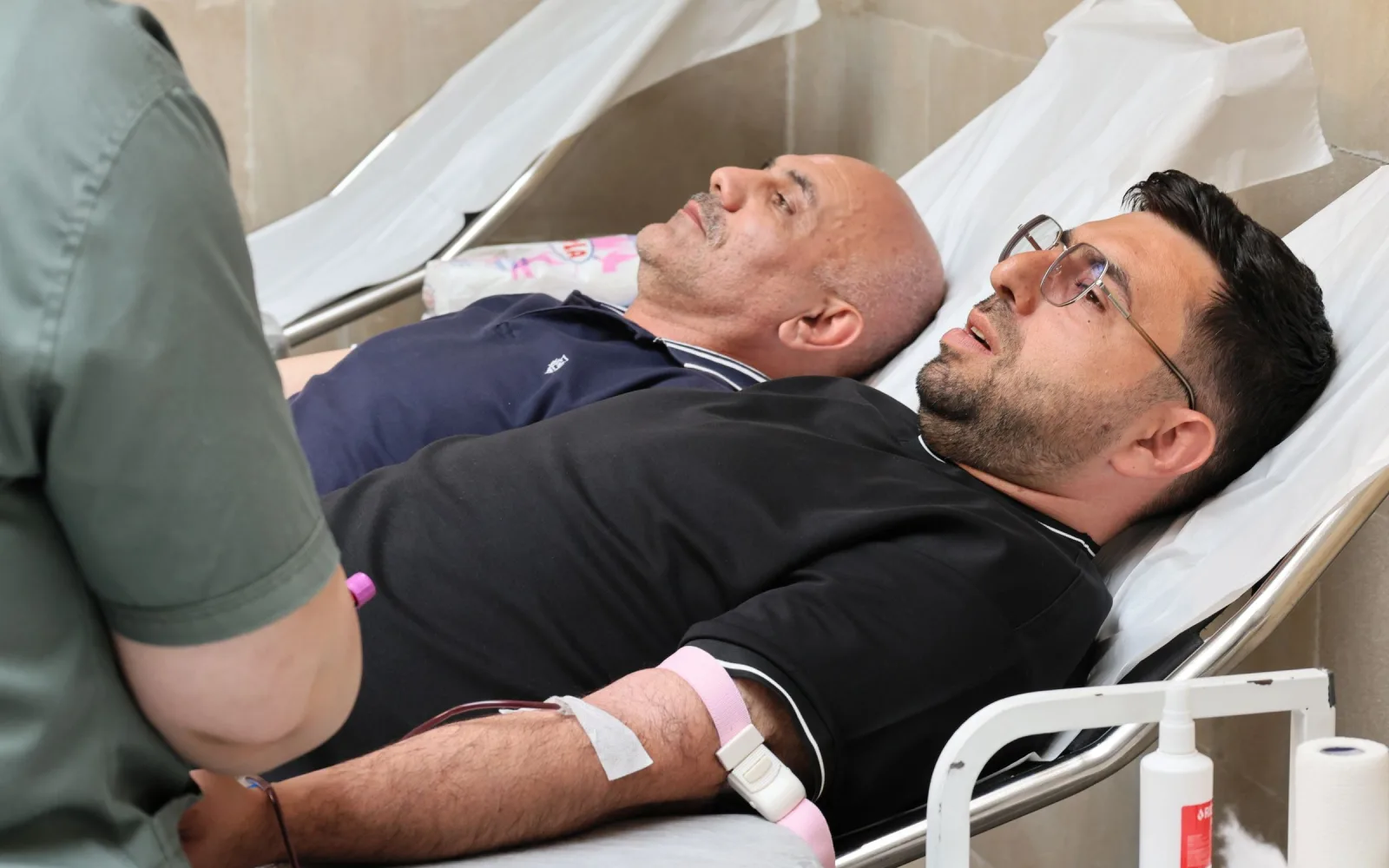
A fistula is a surgical join between an artery and a vein, usually in the forearm or upper arm. It makes the vein thick and strong, so that two needles can be placed at each dialysis and blood can run quickly through the machine. When you rest your fingers on a healthy fistula, you feel a buzz called a thrill.
Repeated needling and the high flow itself can scar the vein wall and make it narrow. This often happens near the join or in the vein just past the needle sites. The narrowing is called a stenosis. A fistula that never develops properly can also have a narrowing from the start.
Signs that a fistula is failing
The usual signs are a weaker buzz, difficult needling and problems during dialysis. Many narrowings are first noticed by the dialysis nurses, but you can watch for changes too.
- The thrill is weaker or has gone, or the sound changes when your nurse listens to it.
- Bleeding takes longer to stop after the needles are taken out.
- Dialysis runs poorly: pressures on the machine are high, blood flow is slow, or your doctor tells you that dialysis is not clearing enough.
- The arm or hand swells, or prominent veins appear on the arm, shoulder or chest.
- The hand is cold, numb or painful, or part of the fistula is tender, red or ballooning.
- Needles are hard to place or keep slipping out.
Tell your dialysis nurse or nephrologist the same day. A narrowing found early can often be treated before the fistula clots, and a fistula that has already clotted is harder to rescue.
How a fistuloplasty works
Fistuloplasty, also called fistula angioplasty, widens the narrowed segment from the inside. The skin is numbed and a small needle or sheath is placed in the fistula. Contrast dye is injected, and live pictures show the whole fistula and where it narrows. This test is called a fistulogram.
A fine wire is passed across the narrowing, and a balloon is inflated on it for a short time, once or more, until the narrowing opens. Tougher narrowings may need a stronger balloon, and sometimes a stent. Final pictures show the flow. The aim is to let you use the same fistula for dialysis again.
When fistuloplasty is considered, and the alternatives
Fistuloplasty is considered when the dialysis unit or a scan shows a significant narrowing that affects flow, machine pressures or the quality of dialysis. It is often arranged between dialysis sessions, so that no session is missed.
A Colour Doppler scan can show the flow in a fistula and where it narrows, before any dye test. Ask your doctor whether it is needed, and the team confirms the scan when you book.
The alternatives are open surgical repair, a bypass graft, a new fistula at another site and, for a time, dialysis through a Permacath, which is a tunnelled catheter in the neck. The right choice depends on where the narrowing is, how often it returns and how long the fistula has been in use. Your nephrologist and a vascular access surgeon usually guide this decision.
Benefits, limits and risks
Opening the narrowing can improve blood flow and make dialysis easier, but it does not make a fistula permanent. Narrowings often return, and repeat procedures are common over the years. Some narrowings do not open fully, and some fistulas have already clotted by the time they are seen.
The team explains the risks before you agree to the procedure.
- Bruising or bleeding at the needle site.
- Tearing of the vein during balloon inflation, which is usually managed during the procedure but may need a stent or surgery.
- Clotting of the fistula during or after the procedure.
- Allergy to the contrast dye, and infection at the needle site.
- Rarely, a clot or air travelling to the lungs, causing breathlessness or chest pain.
From referral to the next dialysis
-
1
Referral and records
Send the referral from your nephrologist, the dialysis chart showing pressures and flows, and any earlier fistula scan.
-
2
Review and planning
The team studies the records and any Doppler findings, then confirms whether fistuloplasty is advisable, where it would be done and which dialysis day suits.
-
3
Preparation
Consent is taken. A blood count and a clotting test are usually checked, and you are told what to do about food and medicines.
-
4
The fistuloplasty
Dye pictures show the fistula and the narrowing is opened with a balloon. You are usually awake and are asked to say if you feel pain.
-
5
Afterwards
The access site is watched and the thrill is checked. Your dialysis unit is told how the procedure went, and your next session is planned.
Preparation and aftercare
Before your visit
- Tell your dialysis unit about the planned procedure. They will tell you how it fits with your dialysis days.
- Bring the dialysis chart or the unit's notes for the last few sessions.
- Do not stop prescribed medicines unless your nephrologist tells you to. Blood thinners and the heparin used at dialysis are adjusted only on your nephrologist's advice.
- Follow the fasting advice that the procedure team gives you.
- Wash the fistula arm with soap and water before you come, and tell the team if you have ever had a reaction to contrast dye.
Please bring
- Referral from your nephrologist
- Recent dialysis chart or unit notes
- Earlier fistula scans or fistulogram reports
- Recent blood reports
- A list of your medicines
After your visit
- Keep the dressing dry, and press gently on the puncture site if you are told to.
- Feel for the thrill several times a day and tell your dialysis unit if it fades.
- Go to your next dialysis session as arranged, and tell the nurses that the fistula was treated.
- Protect the arm every day: no blood pressure cuffs, injections or blood draws, no tight sleeves, watches or bags, and do not sleep on it.
- Keep the scheduled fistula checks, because narrowing can come back.
Who is suitable, and how we work with your dialysis unit
Suitability is decided from the fistula findings, your dialysis records and your kidney doctor's advice. Please send them to us before booking.
The team reviews your referral, dialysis chart, earlier fistula scans and recent reports first. After that review we confirm whether fistuloplasty is carried out at our centre or elsewhere, and by whom. If it goes ahead, the date is fixed with your dialysis unit so that your sessions can continue around it.
Never skip a dialysis session to fit in a procedure, unless your nephrologist has agreed to the plan. The wider range of interventional radiology procedures is on its own page.
When to get help
A fistula problem should not wait for the next dialysis day. Contact your dialysis unit, or go to an emergency department, the same day for any of these.
- The thrill stops completely, or the fistula suddenly feels hard, tender and lumpy.
- Bleeding from the fistula or the puncture site that does not stop with firm, steady pressure. Keep pressing and call for emergency help.
- A cold, pale, numb or very painful hand.
- Swelling of the arm, face or neck, or new swollen veins on the chest.
- Redness, pus, heat, or fever with chills, which may mean infection.
- Breathlessness or chest pain, especially soon after the procedure.
Haemodialysis Fistuloplasty: common questions
How do I know my dialysis fistula is narrowing?
Common signs are a weaker buzz, bleeding that takes longer to stop, difficulty placing needles, swelling of the arm and poor dialysis numbers. Many narrowings are first noticed by the dialysis nurses or on a routine scan. Report any change early, because a narrowed fistula is easier to treat before it clots.
Is fistuloplasty the same as angioplasty?
In principle, yes. Fistuloplasty is balloon angioplasty done on a dialysis fistula or graft. The balloon and technique are similar to those used on arteries elsewhere, but the access, the flow and the risk of clotting are different, so it is planned with your kidney team.
Will I miss dialysis because of the procedure?
Usually not. The procedure is normally arranged between dialysis sessions, and your dialysis unit is told the plan. Your nephrologist decides when you dialyse next and whether the fistula can be used straight away, so please do not skip a session on your own.
Does fistuloplasty hurt?
The skin is numbed first, so most people feel pressure rather than sharp pain. Inflating the balloon can cause an ache in the arm for a short time. Tell the team if you feel pain, because the plan can be changed.
How long does an opened fistula last?
It varies. Some stay open for a long time and others narrow again sooner, and some people need repeat balloon treatment. The cause and position of the narrowing, and how the fistula is cared for, all matter. Regular checks at your dialysis unit catch a new narrowing early.
When is a Permacath used instead?
A tunnelled catheter in the neck is used when the fistula cannot be used for a time, for example while a new fistula matures or after a fistula has failed. It carries a higher risk of infection, so it is usually a bridge rather than the first choice.
Can I have blood tests or drips in the fistula arm?
No. Keep blood pressure cuffs, injections, drips, blood draws and PICC lines away from the fistula arm, and tell every doctor and nurse you meet. Pressure and needles can narrow or clot it. Use the other arm unless your nephrologist tells you otherwise.
Where can I get fistuloplasty in Lucknow?
Send your nephrologist's referral and dialysis records to our centre at Vijayant Khand, Gomti Nagar. The team reviews them and confirms whether the fistuloplasty is carried out at our centre or elsewhere, and by whom, then plans the date with your dialysis unit.
Related services
Tests and care that often go together
Permacath Placement
A tunnelled neck line when a fistula cannot be used.
Learn more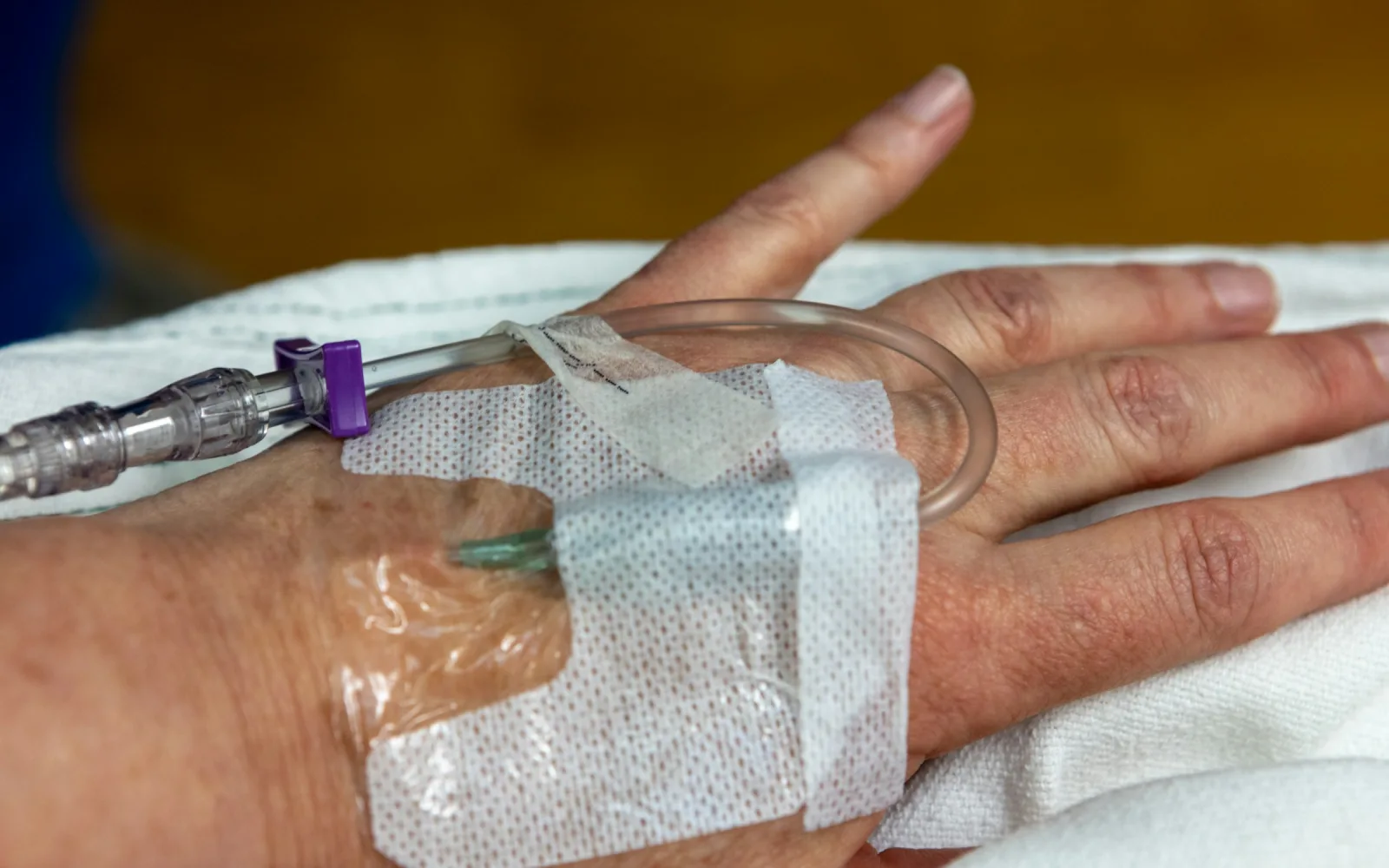
PICC Line Placement
An arm line for long treatment, and when to avoid it.
Learn more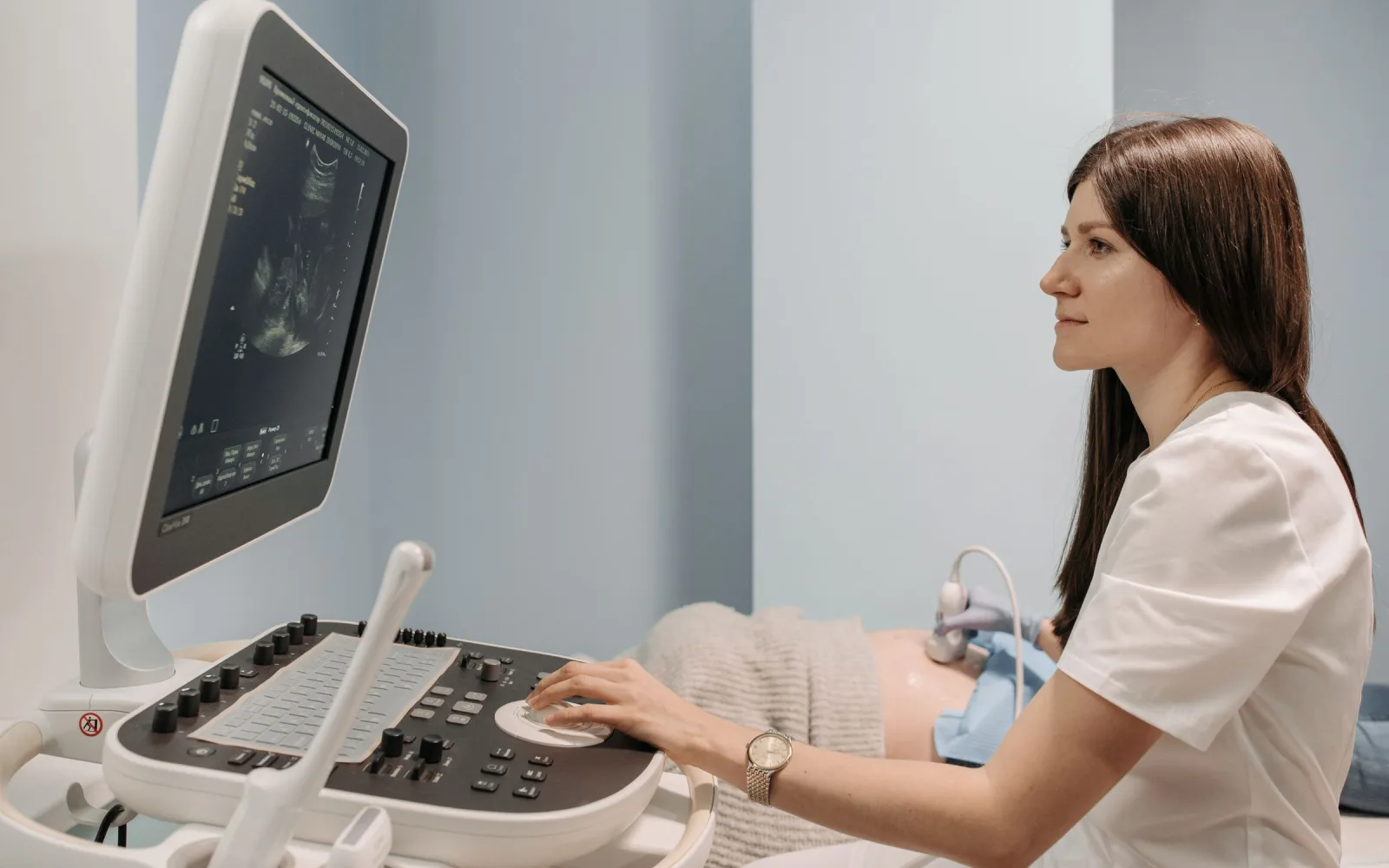
Colour Doppler
Shows blood flow in a fistula.
Learn more
Interventional Radiology
Image-guided sampling, drainage, vessel and ablation procedures, planned after a specialist review.
Learn moreAppointments
Ask about Haemodialysis Fistuloplasty in Gomti Nagar, Lucknow
Send your prescription and any earlier reports on WhatsApp or call the centre. The team reviews them and tells you the next step.
4/12, Vijayant Khand, Gomti Nagar · 0522-3180995
