
Breast Symptoms • Gomti Nagar

Nipple Discharge Evaluation in Gomti Nagar, Lucknow

Nipple discharge evaluation in Lucknow starts with a few questions and a breast scan. Most discharge is harmless, but some types need checking, and this page explains which.

Call
  • Vijayant Khand, Gomti Nagar, Lucknow
  • Mon to Sat 9 AM to 8 PM, Sun 10 AM to 2 PM
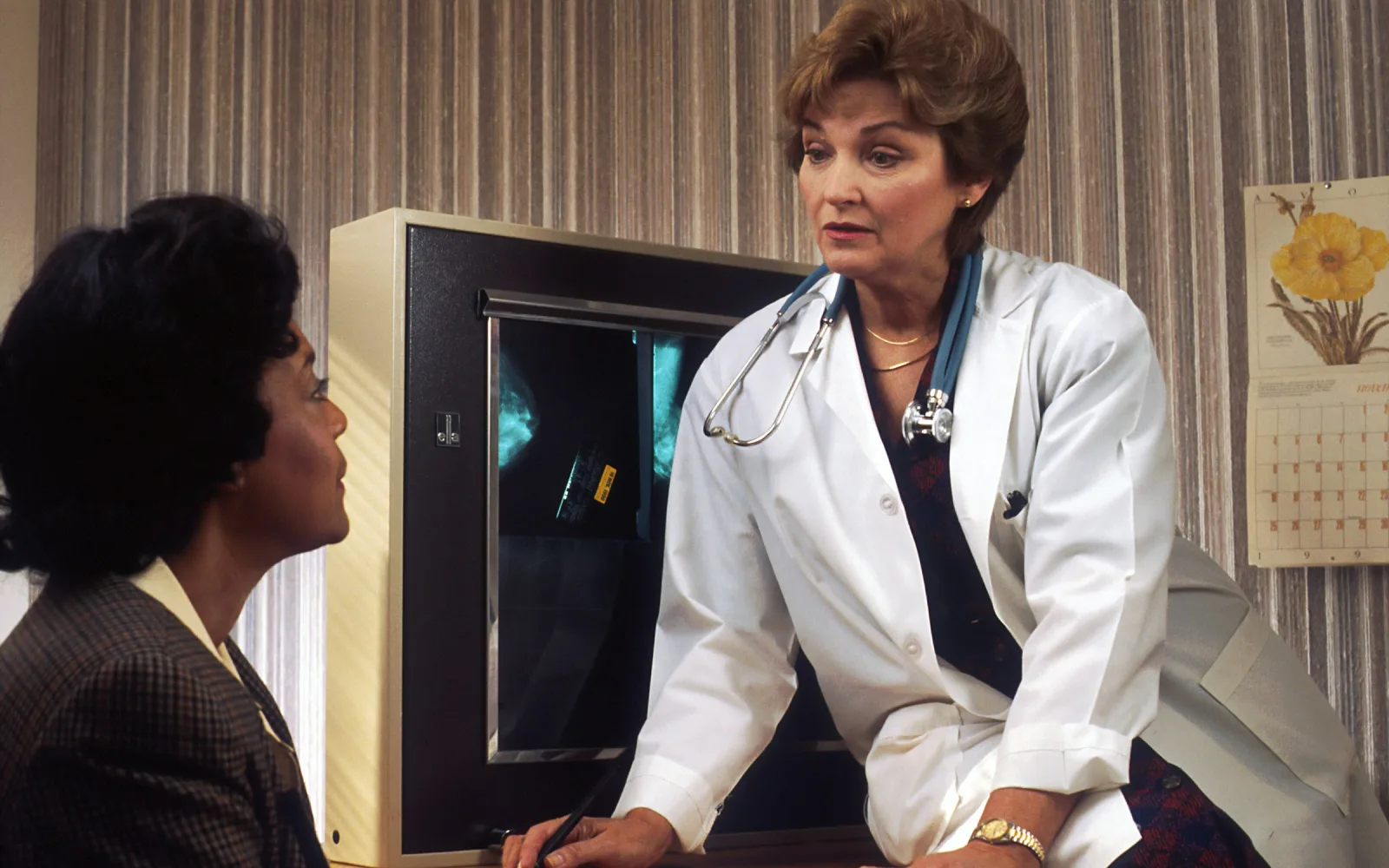
Woman doctor discussing breast images with a woman patient
Usually
A harmless cause
Check soon
Bloody, one-sided or on its own
First scan
Breast ultrasound
Mammogram
Added by age or findings

What counts as nipple discharge, and what causes it?

Nipple discharge is any fluid from the nipple that is not breast milk during breastfeeding. It can be milky, clear, yellow, green, brown or bloody, and thick or watery. It may leak by itself or appear only when the nipple is pressed.

Most causes are harmless. Widened milk ducts that fill with sticky green or brown fluid are common in middle age, often from more than one opening. Hormone changes, an underactive thyroid, high prolactin and some medicines can cause milky discharge from both breasts. A breast infection can cause yellow or green discharge with pain and redness.

A small wart-like growth inside a duct, called an intraductal papilloma, is a common cause of clear or bloody discharge from a single duct. It is usually not cancer, but it needs to be seen on a scan. Less often, discharge is the first sign of a breast cancer, which is why certain types are always checked.

Which nipple discharge needs checking?

Doctors look at the pattern more than the colour. Discharge is more likely to need tests when it has these features:

  • It comes out on its own, without squeezing, and stains your clothes or bra.
  • It comes from one breast, and especially from a single opening on the nipple.
  • It is bloody, or clear and watery.
  • It comes with a lump, a skin change or a change in the nipple, such as turning inward.

Discharge from both breasts that appears only when pressed, or that is milky or greenish from several openings, is far more often harmless. Men can have nipple discharge too, and any discharge in a man should be checked.

How is nipple discharge assessed?

Assessment starts with questions and an examination. You are asked how long it has been going on, which side, what colour, whether it comes on its own, and about periods, pregnancy, breastfeeding, thyroid problems and medicines. The breasts, nipples and underarms are then examined.

Imaging depends on age and findings. A breast ultrasound can show a widened duct and any growth inside it, and it is often the first scan in younger women. In older women, or whenever the history or the ultrasound suggests it, a mammogram is added to look for a lump or tiny calcium specks.

If a scan shows something, the next step may be a needle test of that area, such as breast FNAC or a breast biopsy. Normal scans are reassuring, but they are not always the end of the matter. Bloody discharge from one duct that keeps coming back may still need a breast surgeon's opinion, because a very small growth inside a duct can be missed.

If a hormonal cause is suspected, your doctor may ask for blood tests, for example a thyroid test.

Nipple discharge in pregnancy and breastfeeding

Clear or yellowish fluid can leak from the breasts in pregnancy, and milk may keep leaking for months after breastfeeding ends. This is usually normal. Blood-stained discharge in pregnancy or breastfeeding is often caused by the ducts growing and is usually harmless, but it should still be checked, especially if it is on one side or does not stop.

Ultrasound is the usual first scan at these times because it uses no radiation. Tell the team if you are pregnant or breastfeeding when you book.

What happens at your visit

  1. 1

    Booking

    Message or call the team, and send your doctor's note and any earlier breast scans. Say which breast it is, how long it has been happening and whether you are pregnant or breastfeeding.

  2. 2

    History and examination

    You are asked about the discharge and your medicines. The breasts, nipples and underarms are examined. Please do not squeeze the nipple beforehand.

  3. 3

    Scans

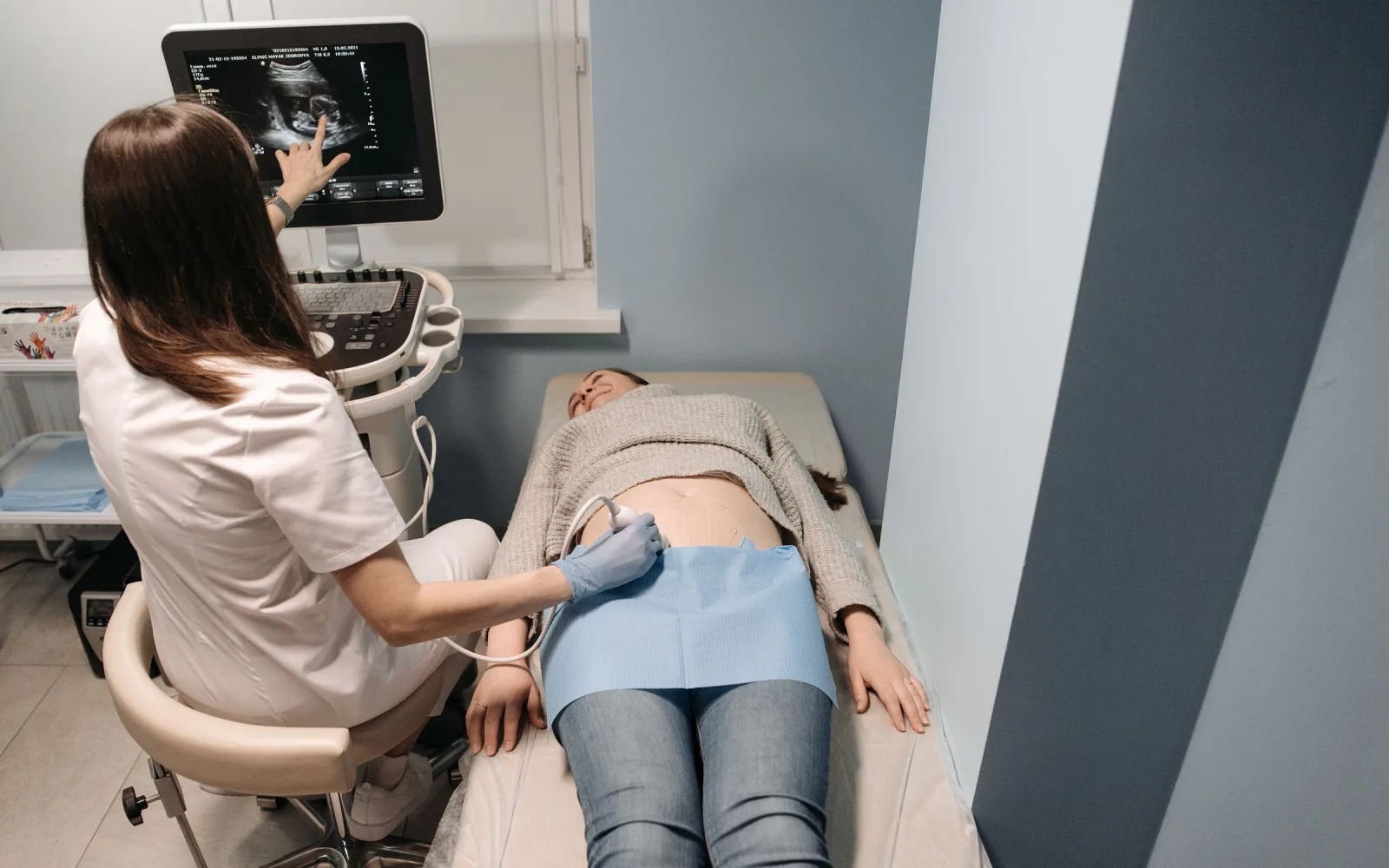
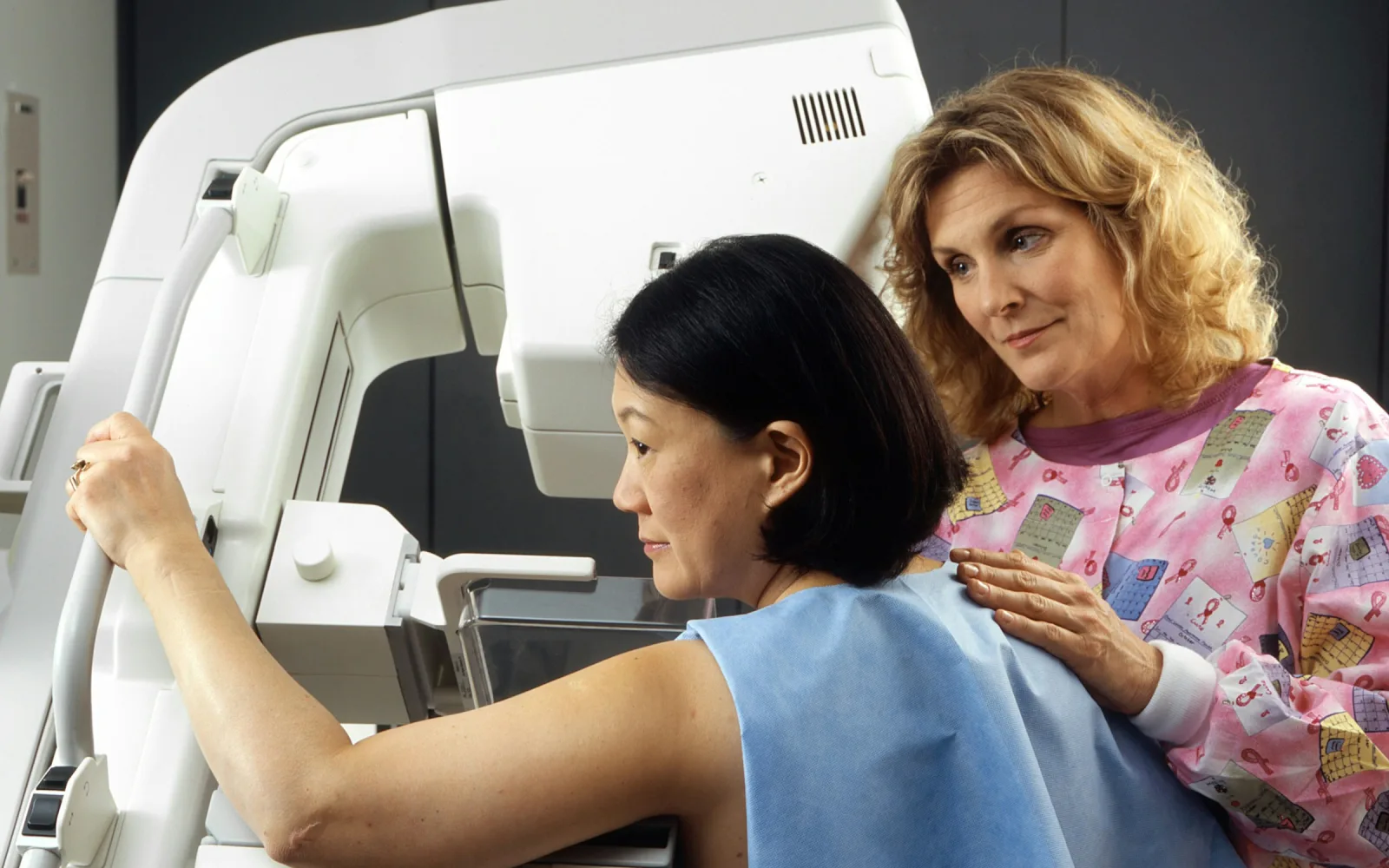
    A breast ultrasound is usually done, with gel and a handheld probe. A mammogram is added when your age or findings call for it, and it presses the breast briefly between two plates.

  4. 4

    Report

    The radiologist writes the report after reviewing the images. The team will tell you when and how it reaches you.

  5. 5

    Next step with your doctor

    Take the report to your doctor to decide on follow-up. If a needle test is advised, the team explains it separately before it is booked.

Preparation and aftercare

Before your visit

  • Write down which breast, since when, what colour, and whether it comes on its own or only when pressed.
  • Do not squeeze the nipple in the days before the visit.
  • List your medicines, including any hormonal tablets, and say whether you are pregnant or breastfeeding.
  • Wear a two-piece outfit. If a mammogram may be needed, leave off deodorant, powder and lotion on the day.

Please bring

  • Your doctor's note
  • Earlier mammograms or ultrasound images and reports
  • A list of your current medicines

After your visit

  • You can usually carry on with your day after the scans.
  • Take the report to your doctor even if it is normal. A normal scan is reassuring, but discharge that continues should be reviewed.
  • Keep a note of any change in the discharge over the next weeks.

See a doctor soon if

Do not wait for a routine appointment if you notice:

  • Discharge that is bloody, or that stains your clothes without being squeezed.
  • Discharge from one nipple only, or from a single spot on the nipple.
  • A new lump, a dimple in the skin, redness, or a nipple that turns inward or becomes scaly.
  • A red, hot and painful breast, or a fever with pus-like discharge. This may be an infection that needs treatment.
  • Any nipple discharge in a man.

Meet our radiologist

Dr. Pranjali Joshi, Breast Radiologist at Lucknow Imaging Centre

Dr. Pranjali Joshi

Breast Radiologist

  • MBBS (KGMU)
  • MD Radiodiagnosis (Dr. RMLIMS)
  • PDCC Breast Imaging (AIIMS Rishikesh)

Dr. Pranjali Joshi is the centre's breast radiologist. The team reviews your history and earlier scans first, then confirms which tests suit your discharge.

Read her profile
Nipple Discharge Evaluation: common questions

Is nipple discharge a sign of breast cancer?

Usually not. Most nipple discharge comes from harmless causes such as widened ducts, hormones, medicines or a small non-cancerous growth in a duct. Cancer is a less common cause, which is why bloody or one-sided discharge is checked. Being examined does not mean something serious has been found.

What colour of nipple discharge is serious?

Colour alone does not decide. Bloody and clear watery discharge are checked more carefully, especially from one breast. Green, brown or sticky discharge often comes from widened ducts or infection. Milky discharge from both breasts often has a hormonal cause. A doctor looks at all the features together.

Do I need a mammogram if I am under 40?

Not always. In younger women the breasts are denser, so ultrasound is often the first scan. The radiologist may add a mammogram if something needs a closer look or if other findings call for it. There is no fixed age, and your doctor decides from the examination and the scan.

Can nipple discharge happen when I am not pregnant?

Yes. Milky discharge from both breasts in a woman who is not pregnant or breastfeeding is called galactorrhoea. It is often linked to hormones, certain medicines for mood, nausea or blood pressure, or the thyroid. A blood test can help. Do not stop any medicine on your own; ask the doctor who prescribed it.

Will I need a biopsy for nipple discharge?

Not usually. Most people need an examination and a scan only. A needle test is considered when a scan shows a lump or a growth in a duct. Your doctor will explain why before one is arranged.

Can men have nipple discharge checked here?

Nipple discharge in a man should always be checked by a doctor. Send the details and any earlier reports to the team, who will confirm what is suitable and how to prepare.

Where can I get nipple discharge checked in Gomti Nagar, Lucknow?

Book on WhatsApp at +91 70809 82920 or by phone on 0522-3180995. The centre is at 4/12 Vijayant Khand, near Kathauta Chauraha, Gomti Nagar. Tell the team which breast is affected and how long it has been happening.

Last updated 12 October 2026.

This page gives general information to help you prepare. It does not replace advice from your own doctor, who knows your history and examination findings.

Appointments

Ask about Nipple Discharge Evaluation in Gomti Nagar, Lucknow

Send your prescription and any earlier reports on WhatsApp or call the centre. The team reviews them and tells you the next step.

4/12, Vijayant Khand, Gomti Nagar · 0522-3180995

Reception at Lucknow Imaging Centre, Gomti Nagar
