Image-Guided Pain Procedures • Gomti Nagar
Image-Guided Pain Injection in Lucknow
An image-guided pain injection places medicine next to a painful joint, tendon or nerve while ultrasound shows the needle. Relief may be temporary, and the injection treats the pain, not its cause.
- Vijayant Khand, Gomti Nagar, Lucknow
- Mon to Sat 9 AM to 8 PM, Sun 10 AM to 2 PM

- Guidance
- Ultrasound shows the needle
- Relief
- Varies, and may be temporary
- Not a cure
- Treats the pain, not the cause
- Diabetes
- A steroid can raise blood sugar
What an image-guided pain injection is
It is an injection of medicine into or beside a painful structure, placed with the help of imaging. The medicine is usually a long-acting steroid, which reduces inflammation, mixed with a local anaesthetic, which numbs the area. Which medicine suits you is your doctor's decision.
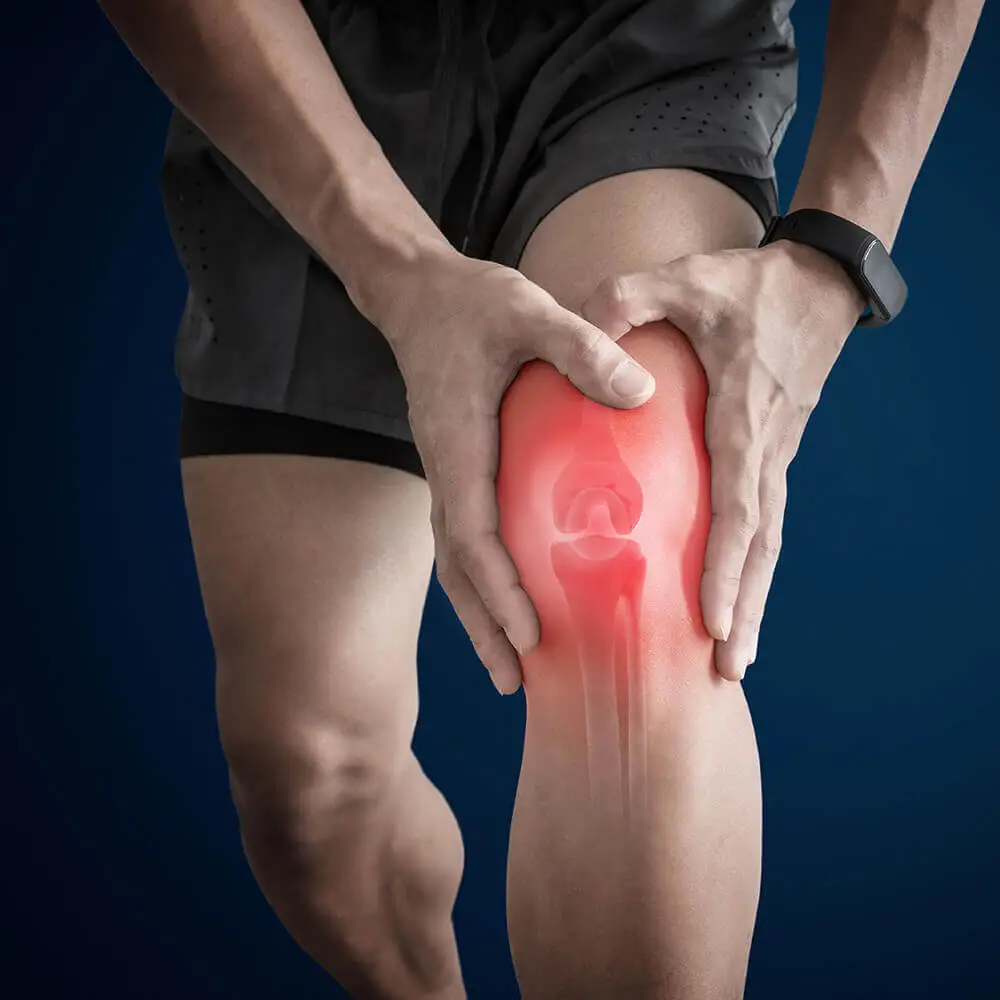
Ultrasound is the usual guide for joints, tendons and soft tissues. It shows the needle tip and the medicine spreading, so the injection lands where it is meant to. Common targets are the knee, the shoulder, a tendon sheath, a bursa (a fluid-filled cushion near a joint) and the area around a nerve that is being squeezed.
The images also help keep steroid out of the tendon itself, where it can cause weakening.
What it can and cannot do
A pain injection can calm inflammation and reduce pain for a period, which may let you move, exercise and sleep better. Relief may start within a few days and can last from a few weeks to several months. Some people get little benefit.
It does not repair worn cartilage, heal a torn tendon or remove the cause of the pain. Doctors use it alongside other care, such as physiotherapy, exercises and changes in activity. The pain often returns if the underlying problem is not dealt with.
Image guidance improves where the medicine goes. It does not change how your body responds, so it cannot promise relief.
Steroid cautions, including for people with diabetes
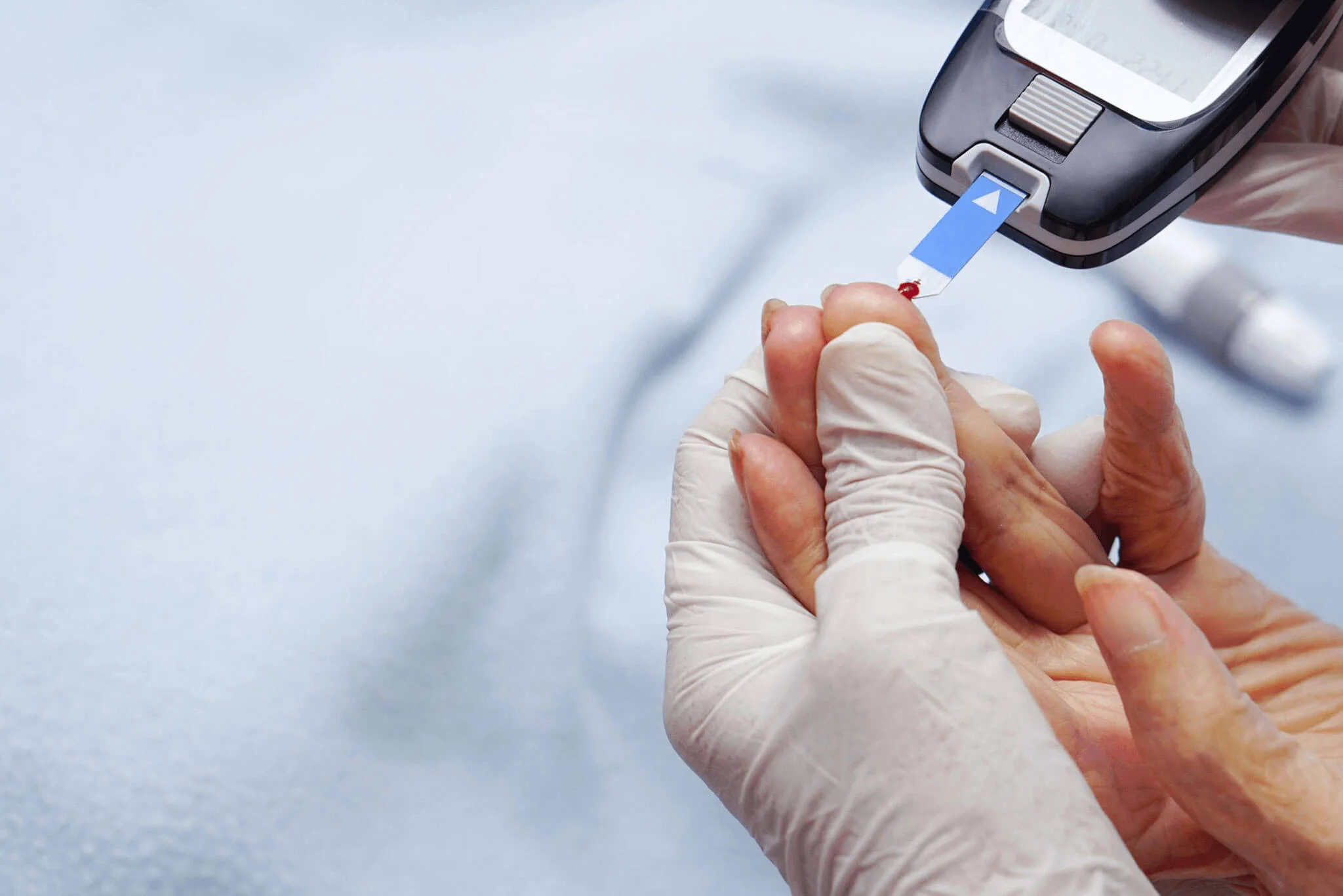
A steroid injection acts mostly where it is placed, but some of the medicine enters the blood. In people with diabetes this can raise blood sugar for a few days, sometimes longer. Tell the team that you have diabetes, check your sugar as your doctor advises, and contact your diabetes doctor if readings stay high. Do not change your diabetes medicines unless your doctor tells you to. If you are unsure how well your sugar is controlled, your doctor may ask for an HbA1c blood test first.
Other effects are possible for anyone:
- A flare of pain for a day or two after the injection.
- Flushing of the face, or poor sleep, for a day or two.
- Lightening or thinning of the skin at the site.
- Weakening of a tendon, or damage to a joint, if many injections are given into the same place. This is why doctors limit repeats.
- Infection in the joint, which is rare but serious.
An injection is usually postponed if you have a fever or an infection in the skin or joint. It needs extra thought if your blood sugar is high, you take blood thinners or you are pregnant. Your doctor decides.
Who decides, and where it is done
A pain injection is a doctor-advised procedure. It follows a diagnosis, usually from an examination, an X-ray or a joint ultrasound. The team at the centre reads your prescription and reports first. It then confirms which injection is suitable, whether it can be done at the centre or elsewhere, and who will do it.
Which injections the centre can do is confirmed from your prescription, so send it to the team before you travel. Injections into the spine are a separate decision, and the team will tell you whether they can be arranged.
What happens on the day
-
1
Review
Send your prescription and earlier X-ray or scan reports. The team reads them and confirms which injection is suitable and where it will be done.
-
2
Scan
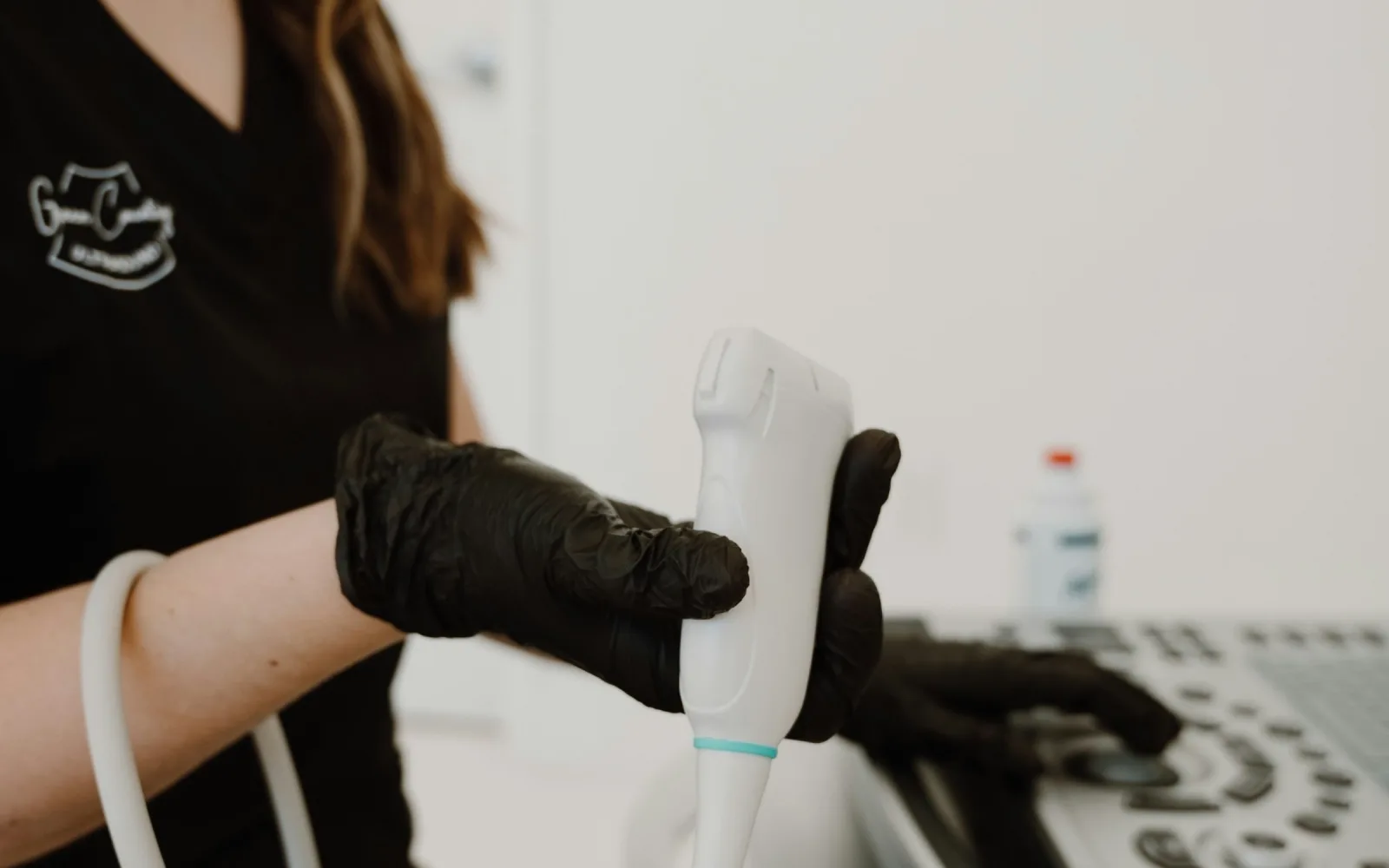
You sit or lie so that the area is exposed. Gel is applied, and the radiologist scans the joint or tendon to find the exact spot.
-
3
Cleaning and numbing
The skin is cleaned with antiseptic. A small amount of local anaesthetic numbs the skin, which stings briefly.
-
4
Injection
The needle is guided on the screen to the target and the medicine is injected. You feel pressure or fullness, and sometimes a brief ache.
-
5
Short rest
A small plaster or dressing goes on. You rest briefly, and the team tells you what to do about activity.
-
6
Follow-up
You return to the doctor who referred you. They review how you responded and plan the next step, such as exercises.
Preparation and aftercare
Before your visit
- Eat and drink as usual.
- Tell the team if you have diabetes, are allergic to local anaesthetic or other medicines, or have had a fever or an infection recently.
- If you take a blood thinner, tell the team and your doctor. Do not stop any prescribed medicine yourself. If you have diabetes, check your blood sugar as usual.
- Wear clothes that let the area be reached, for example shorts for the knee or a sleeveless top for the shoulder.
- Mention any other steroid injection you have had recently, and where.
Please bring
- Your doctor's prescription or referral
- Earlier X-ray and ultrasound reports and images
- A list of your medicines
- Details of earlier injections, if any
After your visit
- The local anaesthetic wears off in a few hours, and the pain may return before the steroid begins to work. This does not mean the injection has failed.
- Take it easy for a day or two, and avoid heavy use of the joint as the team advises.
- If you have diabetes, check your sugar as your doctor advises, and expect it to run higher for a few days.
- Exercises or physiotherapy that your doctor suggests work alongside the injection.
When to get help after an injection
A flare of pain for a day or two is common. Go to the nearest emergency department at once if you have difficulty breathing or swelling of the lips or face. For the other signs below, contact your doctor or the centre the same day:
- Increasing pain, redness, warmth or swelling of the joint, especially with fever. This can mean infection.
- Fever or chills in the days after the injection.
- Pus or spreading redness at the needle site.
- A rash, swelling of the lips or face, or difficulty breathing, which can be an allergic reaction.
- New weakness, numbness or tingling that spreads after an injection near a nerve.
- Very high blood sugar readings, extreme thirst or passing large amounts of urine, if you have diabetes.
Image-Guided Pain Injection: common questions
Does a pain injection cure the problem?
No. It reduces inflammation and pain for a time, but it does not repair a worn joint or a torn tendon. It works best as part of a wider plan from your doctor, which may include exercises and physiotherapy.
How long does the relief last?
It varies a great deal from person to person. Some people have relief for weeks or months, and some have little or none. Nobody can predict yours in advance, so the doctor who referred you reviews how you responded.
Is a steroid injection safe if I have diabetes?
Often yes, with care. A steroid can push blood sugar up for a few days. Tell the team, check your sugar as your doctor advises and contact your diabetes doctor if it stays high. Do not change your diabetes medicines on your own.
Is the injection itself painful?
There is a brief sting from the numbing medicine, then pressure or fullness as the medicine goes in. A joint that is already inflamed can ache more during the injection. The area may be sore for a day or two afterwards.
Why use ultrasound for the injection?
Ultrasound shows the structures and the needle tip live, so the medicine is placed where it is meant to go and kept out of the tendon itself. It also lets the radiologist see the medicine spread around the joint or nerve.
How many pain injections can I have?
Doctors usually limit the number of steroid injections into the same joint or tendon, because repeated doses can damage tendons and cartilage. How many, and how far apart, is your doctor's decision.
Which injections can I get at the centre?
The type of injection, and whether it can be done at the centre, is confirmed from your prescription. Send it on WhatsApp at +91 70809 82920 or call 0522-3180995, and the team will tell you. They also confirm who will do it and how to prepare.
Can I drive home or go to work afterwards?
After a joint injection with no numbness you can usually carry on with light activity. If you have had an injection near a nerve and the area feels numb or weak, do not drive until normal feeling returns. Avoid heavy use of the injected area as advised.
Related services
Tests and care that often go together
Appointments
Ask about Image-Guided Pain Procedure in Gomti Nagar, Lucknow
Send your prescription and any earlier reports on WhatsApp or call the centre. The team reviews them and tells you the next step.
4/12, Vijayant Khand, Gomti Nagar · 0522-3180995
