Breast Symptoms • Gomti Nagar

Breast Skin and Nipple Changes in Gomti Nagar, Lucknow

Breast skin and nipple changes in Lucknow, such as dimpling, redness or a scaly nipple, have several causes, and most are not cancer. Here is what we check and what needs attention soon.

Call
  • Vijayant Khand, Gomti Nagar, Lucknow
  • Mon to Sat 9 AM to 8 PM, Sun 10 AM to 2 PM
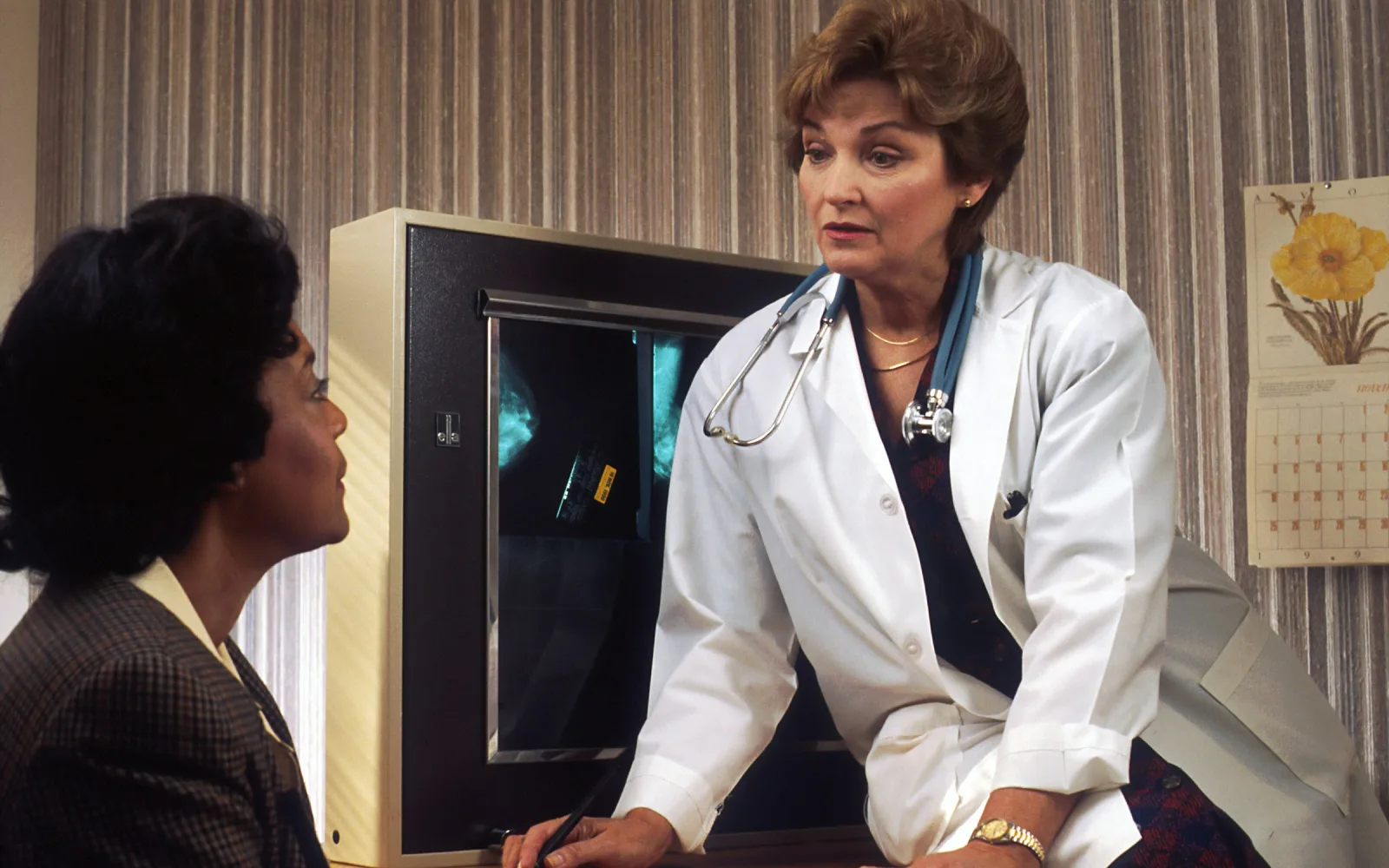
Woman doctor discussing breast images with a woman patient
Often
Eczema, infection or old injury
Less often
Cancer, so new changes are checked
Scans
Breast ultrasound, mammogram
Act quickly
Red, hot, swollen breast

What changes can you notice?

Skin and nipple changes are easy to see, which is why people often notice them early. These are the ones doctors ask about:

  • Dimpling or puckering, where the skin looks pulled in, like a small dent.
  • Skin that looks like orange peel, thickened and finely pitted.
  • Redness or warmth over part or all of the breast.
  • A rash, scaling, crusting or itching of the nipple or the darker skin around it.
  • A nipple that has turned inward or changed its shape or direction.
  • A sore that does not heal, or a change in the size or shape of the breast.

A nipple that has been turned inward since puberty is usually normal. It is a new change that matters. If the nipple also leaks fluid, read about nipple discharge. A new lump with any of these changes is covered under breast lump evaluation.

What usually causes these changes?

Eczema or contact dermatitis is a very common cause of an itchy, red, scaly nipple or areola. It can follow a new soap, detergent, cream or bra fabric, and it usually affects both sides. A fungal infection in the fold under the breast gives a red, itchy rash there, especially in humid weather.

An infection of the breast, called mastitis, causes a red, hot, tender area, most often in breastfeeding women, and may come with fever. Fat necrosis, a firm area that forms after an injury or surgery, can pull the skin into a dimple. A widened milk duct can draw the nipple inward in some women later in life.

Less often, a skin or nipple change is caused by cancer. Paget disease of the nipple is a rare form that looks like eczema on one nipple, with scaling, crusting or a red patch that does not heal. Inflammatory breast cancer is also rare. It causes a red, swollen, warm breast with orange-peel skin that develops over weeks, often without a distinct lump. Because these look like common conditions, a change that is new, one-sided and lasting should be examined.

How are breast skin and nipple changes assessed?

The assessment starts with your story: when the change began, whether it is spreading, and whether you have had an injury, infection, breastfeeding, a new product or earlier breast surgery. The breasts, nipples and underarms are examined.

Scans then look beneath the skin. The first scan checks for a lump, a collection of fluid or an abscess, and looks at the underarm glands. In older women, or when the examination calls for it, a mammogram is added to look for a lump, thickening or calcium specks. Scans show what lies under the skin, but they cannot diagnose a skin condition on their own.

If a scan shows a lump, the area may be sampled with a needle, for example by breast FNAC or a breast biopsy. A nipple rash that does not clear with simple treatment may need a small sample of skin, and your doctor will advise how that is arranged. A skin or nipple change with a normal scan is still reviewed in person.

What happens at your visit

  1. 1

    Booking

    Message or call the team, with your doctor's note and any earlier scans if you have them. Describe what you have noticed, when it began and whether it is changing.

  2. 2

    Looking and examining

    The breasts, nipples and underarms are examined. Avoid new creams or powder on the area that day, so the skin can be seen as it is. Do not stop any treatment your doctor has prescribed.

  3. 3

    Breast ultrasound

    A handheld probe and gel are used over the breast and underarm. The radiologist looks beneath the changed skin and at the lymph nodes.

  4. 4

    Mammogram if advised

    Each breast is gently compressed for a few seconds while pictures are taken. This is done when your age or findings call for it.

  5. 5

    Report and plan

    The radiologist reports on what the scans show. The team will tell you when and how you will receive it, and your doctor plans treatment or follow-up from there.

Preparation and aftercare

Before your visit

  • Note when you first saw the change, and whether it has grown, spread or come and gone.
  • Remember any recent injury, infection, new soap or cream, breastfeeding or breast surgery.
  • List your medicines and say if you are pregnant or breastfeeding.
  • Wear a two-piece outfit that is easy to take off.

Please bring

  • Your doctor's note or prescription
  • Earlier mammograms, ultrasound images and reports
  • A photo of the change taken earlier, if you have one

After your visit

  • There is no recovery time after the scans. You can carry on with your day.
  • Take the report to your doctor even if it looks normal.
  • Keep using any prescribed treatment as directed, and do not stop it unless your doctor tells you to.
  • Watch the area over the next weeks, and go back sooner if it spreads or gets worse.

Changes that need a prompt look

Please do not wait for a routine booking if you notice:

  • Redness, swelling and warmth of the breast that spread over days, especially with a fever. An infection needs prompt treatment.
  • Skin that looks like orange peel, or a breast that becomes larger, heavier or firmer over a few weeks.
  • A scaly, crusted or red patch on one nipple that does not heal.
  • A new dimple, a nipple that has turned inward, or a new lump.
  • Bloody nipple discharge, or a sore that will not heal.

Meet our radiologist

Dr. Pranjali Joshi, Breast Radiologist at Lucknow Imaging Centre

Dr. Pranjali Joshi

Breast Radiologist

  • MBBS (KGMU)
  • MD Radiodiagnosis (Dr. RMLIMS)
  • PDCC Breast Imaging (AIIMS Rishikesh)

Dr. Pranjali Joshi is the centre's breast radiologist. The team reviews what you describe and your earlier scans first, then confirms which tests suit the change.

Read her profile

Breast Skin & Nipple Changes: common questions

Is a dimple in the breast always cancer?

No. Dimples can follow an injury, surgery, fat necrosis or an infection. A new dimple that you cannot explain should still be examined, because cancer can pull the skin inward. The examination and scans tell the cause.

Can a scaly nipple be eczema?

Yes, often. Eczema usually affects both nipples and responds to simple treatment. A scaly rash on one nipple that does not heal, or that keeps returning, needs to be examined, because a rare condition called Paget disease can look the same.

Is an inverted nipple normal?

A nipple that has been turned inward since puberty is usually normal. A nipple that turns inward newly in adult life, or becomes fixed, should be checked. Breast ultrasound and mammography are the usual scans.

Does redness on the breast mean infection or cancer?

Most often it is infection, especially during breastfeeding. Redness that spreads with pain and fever needs prompt medical treatment. Redness that lasts for weeks, does not improve with treatment, or comes with swelling or orange-peel skin and no fever also needs examination, and you should not wait for it to clear.

Will I need a skin biopsy?

Not always. Many changes settle with simple treatment. A skin sample is considered when a rash does not clear or looks unusual, and a needle test when a scan shows a lump. Your doctor will explain why before it is done.

Can pregnancy or breastfeeding cause skin and nipple changes?

Yes. Darker, sore or cracked nipples, stretch marks and engorgement are common at these times. Redness with fever may be mastitis and needs prompt care. Ultrasound uses no radiation and is the usual scan.

Where can I get breast skin or nipple changes checked in Gomti Nagar?

Come to 4/12 Vijayant Khand, near Kathauta Chauraha, Gomti Nagar. Book on WhatsApp at +91 70809 82920 or by phone on 0522-3180995, and describe what you have noticed. Bring any earlier breast scans.

Last updated 12 October 2026.

This page gives general information to help you prepare. It does not replace advice from your own doctor, who knows your history and examination findings.

Appointments

Ask about Skin and Nipple Changes in Gomti Nagar, Lucknow

Send your prescription and any earlier reports on WhatsApp or call the centre. The team reviews them and tells you the next step.

4/12, Vijayant Khand, Gomti Nagar · 0522-3180995

Reception at Lucknow Imaging Centre, Gomti Nagar