Interventional Radiology • Gomti Nagar
Biliary Stenting in Lucknow
A biliary stent is a small tube that holds open a blocked bile duct so that bile can drain and jaundice can ease. This page explains when it is used, the alternatives and the risks.
- Vijayant Khand, Gomti Nagar, Lucknow
- Mon to Sat 9 AM to 8 PM, Sun 10 AM to 2 PM
- Treats
- A blocked bile duct
- Often seen as
- Jaundice, dark urine, itching
- Route
- Through the skin or an endoscope
- Where it is done
- Confirmed after we review your reports
What does a blocked bile duct do?
A blocked bile duct stops bile from reaching the bowel, and bilirubin, the yellow pigment in bile, builds up in the blood. Bile is a digestive fluid made in the liver. It travels down the bile ducts and helps the body digest fat.
The raised bilirubin causes jaundice, a yellow colour of the eyes and skin, together with dark urine, pale stools, itching and often upper abdominal pain. Loss of appetite and weight loss can occur. Anyone with jaundice should see a doctor soon. Fever with chills can mean that the blocked bile has become infected, which is an emergency.
Common causes are stones in the duct, a narrowing called a stricture after surgery or inflammation, and tumours of the bile duct, gallbladder, pancreas or liver. Enlarged lymph nodes pressing from outside can also block a duct.
What is a biliary stent, and how is it placed?
A stent is a thin tube, made of plastic or expandable metal mesh, that is placed across the blockage to keep the duct open. Bile then flows past the narrowing.
It can be placed in two main ways. In the endoscopic route, called ERCP, a flexible camera passes through the mouth to the duct opening in the bowel, and the stent is passed up the duct from there. In the percutaneous route, a fine needle is passed through the skin and liver into a bile duct, guided by ultrasound and live imaging. A wire is passed across the blockage and the stent is placed over it.
Sometimes a drain is placed first to clear infection and relieve the pressure, and the stent follows later. That drain is called PTBD, and it is a separate procedure.
When a stent is used, and what it cannot do
A stent is used when a blocked duct needs to be opened and the blockage cannot be removed, or is waiting for other treatment. This often applies to a blockage from a tumour of the pancreas, bile duct or gallbladder, or to a stricture that cannot be treated another way. Stones are usually removed rather than bypassed.
A stent relieves the blockage. It does not treat the cause. Stents can block over time, especially plastic ones, or move out of place. Another procedure to clear or change a stent may be needed.
The risks include the following:
- Infection of the bile ducts (cholangitis), which causes fever and can be serious.
- Bleeding from the liver or the puncture track, which can sometimes need further treatment.
- Bile leak into the abdomen, causing pain.
- Pancreatitis, which is inflammation of the pancreas, after an endoscopic stent.
- Stent problems: blockage, movement, or the stent not fully relieving the jaundice.
- Anaesthesia and dye reactions, which the team explains.
Tests before a stent, and how the decision is made
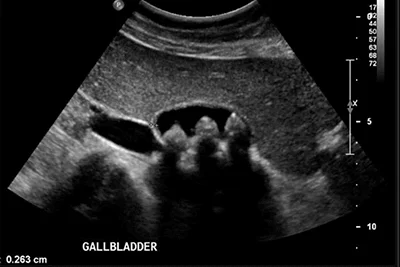
The first tests are a blood test of bilirubin and liver enzymes, such as a liver function panel, and an ultrasound of the abdomen. Ultrasound often shows widened bile ducts above a blockage and may show stones, but it can miss the exact level or the cause.
A detailed scan, usually a CT or an MRI with views of the ducts called MRCP, shows where the blockage is and what is causing it. We do not perform CT or MRI scans. Ask your doctor where to have them done, and our team can review the images and reports.
If the cause is not clear, a biopsy may be needed. A specialist team, which may include a liver and bile duct surgeon, a gastroenterologist, an oncologist and an interventional radiologist, decides the route.
Our team reviews your referral, images and reports first. It then confirms whether the stent is placed at the centre or elsewhere, and by whom.
Ways to relieve a blocked bile duct
The route depends on where the blockage is, what causes it and your general health. Your specialist chooses.
Endoscopic stent (ERCP)
- How it works
- A flexible camera is passed through the mouth and a stent is placed from inside the bowel.
- Points to know
- Often chosen first for blockages low in the duct. Usually done by a gastroenterologist. Can cause pancreatitis.
Percutaneous stent
- How it works
- A needle is passed through the skin and liver, and a stent is placed across the blockage under imaging.
- Points to know
- Used when ERCP is not possible or has not worked, or when the blockage is higher in the liver ducts. Can cause a bile leak or bleeding.
External drain (PTBD)
- How it works
- A drain is placed through the skin into the bile duct, and bile drains into a bag or into the bowel.
- Points to know
- Relieves infection or pressure quickly, or is used when a stent cannot be passed. The drain needs daily care.
Surgery
- How it works
- An operation to bypass the blockage or remove its cause.
- Points to know
- Considered in selected patients, depending on the cause and fitness for surgery.
From referral to follow-up
-
1
Share your reports
Message or call the centre with the referral, blood tests, ultrasound and any CT or MRI images and reports.
-
2
Review of your reports
The team reviews them and tells you what else is needed. It then confirms where the stent can be placed, and by whom.
-
3
Planning
The doctor explains the route, the alternatives and the risks, and takes your consent. Blood tests including clotting are checked, and antibiotics may be given to lower the risk of infection.
-
4
The procedure
The duct is reached through the skin or an endoscope, a wire is passed across the blockage and the stent is placed. Sedation or anaesthesia is explained to you beforehand.
-
5
Recovery
The team keeps an eye on pain, bleeding and fever. Blood tests are repeated to see whether the bilirubin is falling.
-
6
Stent care and follow-up
Some stents need changing after a period. Your specialist tells you when to return, and what to do if jaundice or fever comes back.
Preparation and aftercare
Before your visit
- Collect recent blood tests, ultrasound reports, and CT or MRI reports and images.
- Note how long the jaundice has been present, and any fever, itching or weight loss.
- Tell the team about allergies, diabetes, kidney problems and blood-thinning medicines. Do not stop any prescribed medicine unless your doctor tells you to.
- Fasting is usual before the procedure. The team doing it gives the exact instructions.
- Arrange for a family member to stay with you.
Please bring
- Referral and hospital or clinic notes
- Scan images and reports
- Recent blood test reports
- List of current medicines
After your visit
- Take prescribed antibiotics and other medicines as instructed.
- Care for any dressing or drain as you were taught, and keep the skin around it dry.
- Attend the blood tests and follow-up visits, which show whether the jaundice is settling.
- Keep a record of the type of stent and the date it was placed, as it may need changing.
Warning signs after the procedure
Jaundice with fever and chills is an emergency. Go to the nearest hospital emergency department, or contact the treating team, if you have any of these.
- Fever, chills or shivering.
- Jaundice that is getting worse, or that returns after it had eased.
- Severe or worsening abdominal pain.
- Vomiting that does not stop, or vomiting blood.
- Bile leaking around a drain, or redness, swelling or pus at the puncture site.
- Black stools, or feeling faint.
Biliary Stenting: common questions
What is the difference between biliary stenting and PTBD?
A stent sits wholly inside the duct, so bile flows on into the bowel as it normally would. A PTBD drain leaves the body through the skin. Drain and stent are different tools, and a doctor may use one, the other, or both in turn.
Is jaundice always caused by a blocked bile duct?
No. Jaundice can also come from liver disease, hepatitis, or red blood cells breaking down too fast. Blood tests and an ultrasound help separate these. Yellow eyes should be seen by a doctor soon in any case.
How long does a biliary stent last?
That depends on the type and the cause. Plastic stents tend to block sooner and are often replaced after a few months. Metal stents usually stay open longer. Your specialist tells you when to have it checked.
Does a bile duct stent mean I have cancer?
Not necessarily. Stents are also used for stones and benign narrowing. A blocked duct in an adult can be caused by a tumour, so tests are needed to find the cause. The stent itself does not tell you the cause.
Can a biliary stent be removed or changed?
Plastic stents are designed to be changed. Some metal stents are harder, or impossible, to remove, so the team chooses the type with that in mind.
What should I do if the jaundice gets worse after a stent?
Contact the treating team the same day. Worsening jaundice, fever or pain can mean the stent is blocked or infected. With fever and chills, go to an emergency department.
Do you place biliary stents at your centre in Lucknow?
That is confirmed once the team has gone through your referral, scans and reports. We then tell you whether the stent can be placed at the centre or elsewhere, and by whom, before you plan travel.
Which tests can I have at the centre before a stent?
We offer an abdominal ultrasound and blood tests such as a liver panel. We do not perform CT or MRI scans, so your doctor advises where to have the detailed duct scan done.
Related services
Tests and care that often go together
PTBD
A drain placed through the skin into the bile duct.
Learn more
Transarterial Liver Tumour Treatment
For liver tumours, through the feeding artery.
Learn more
Image-Guided Biopsy
A tissue sample to find the cause of a blockage.
Learn more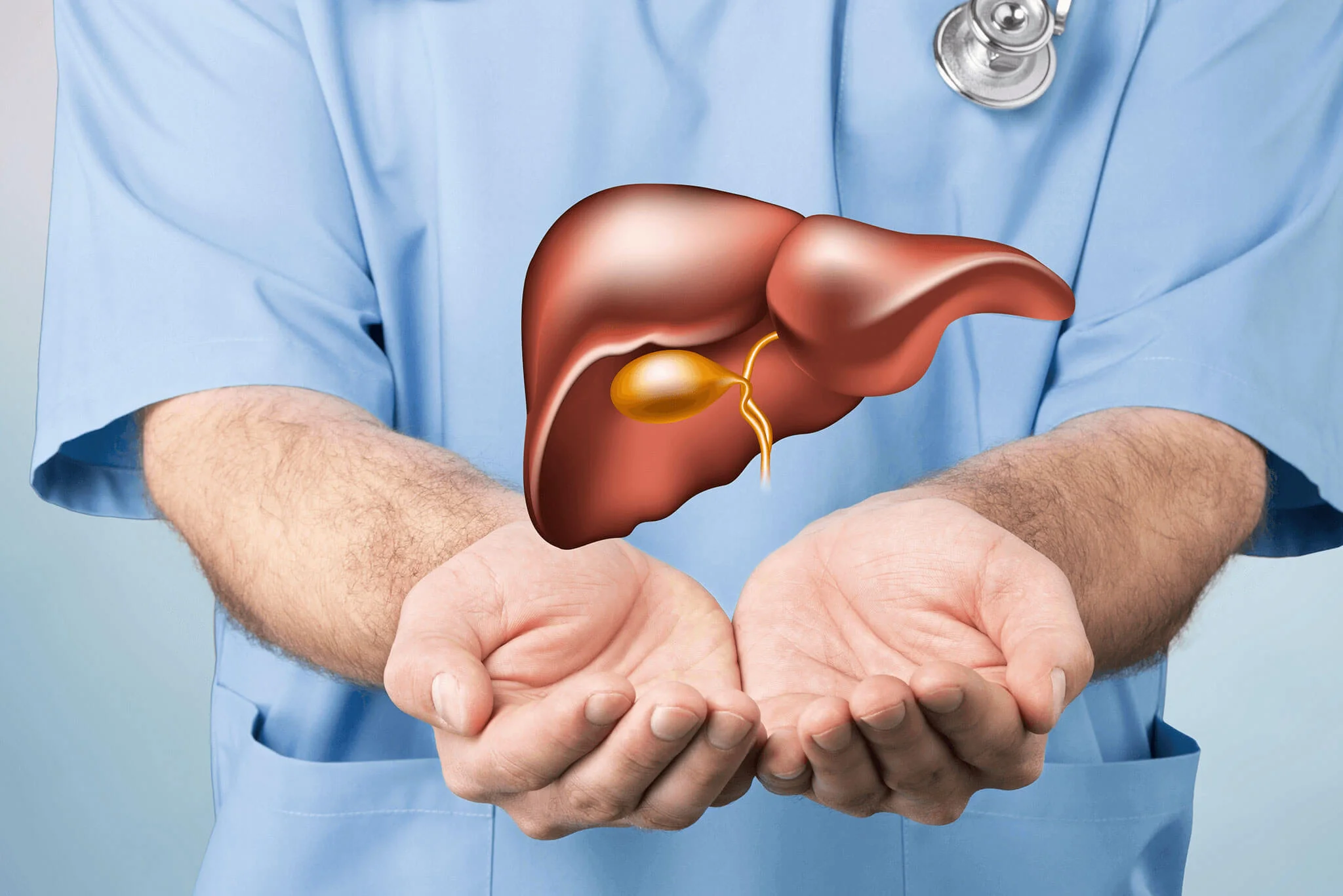
Liver Health Package
Blood tests including bilirubin.
Learn moreAppointments
Ask about Biliary Stenting in Gomti Nagar, Lucknow
Send your prescription and any earlier reports on WhatsApp or call the centre. The team reviews them and tells you the next step.
4/12, Vijayant Khand, Gomti Nagar · 0522-3180995
