Dr. Akanksha Bajpai
Radiologist
- MBBS, MD
- Ex. PGI Chandigarh
- Ex Consultant, Fortis Hospital, Mohali
Her profile supports diagnostic imaging, ultrasound, radiology and patient-focused interpretation.
Read her profile4/12, Vijayant Khand, Gomti Nagar, Lucknow Mon–Sat 9 AM–8 PM · Sun 10 AM–2 PM
Diagnostic Imaging • Gomti Nagar
Colour Doppler shows how blood moves through your arteries and veins. It is used for leg, neck, kidney, scrotal and pregnancy questions, at our centre in Vijayant Khand.
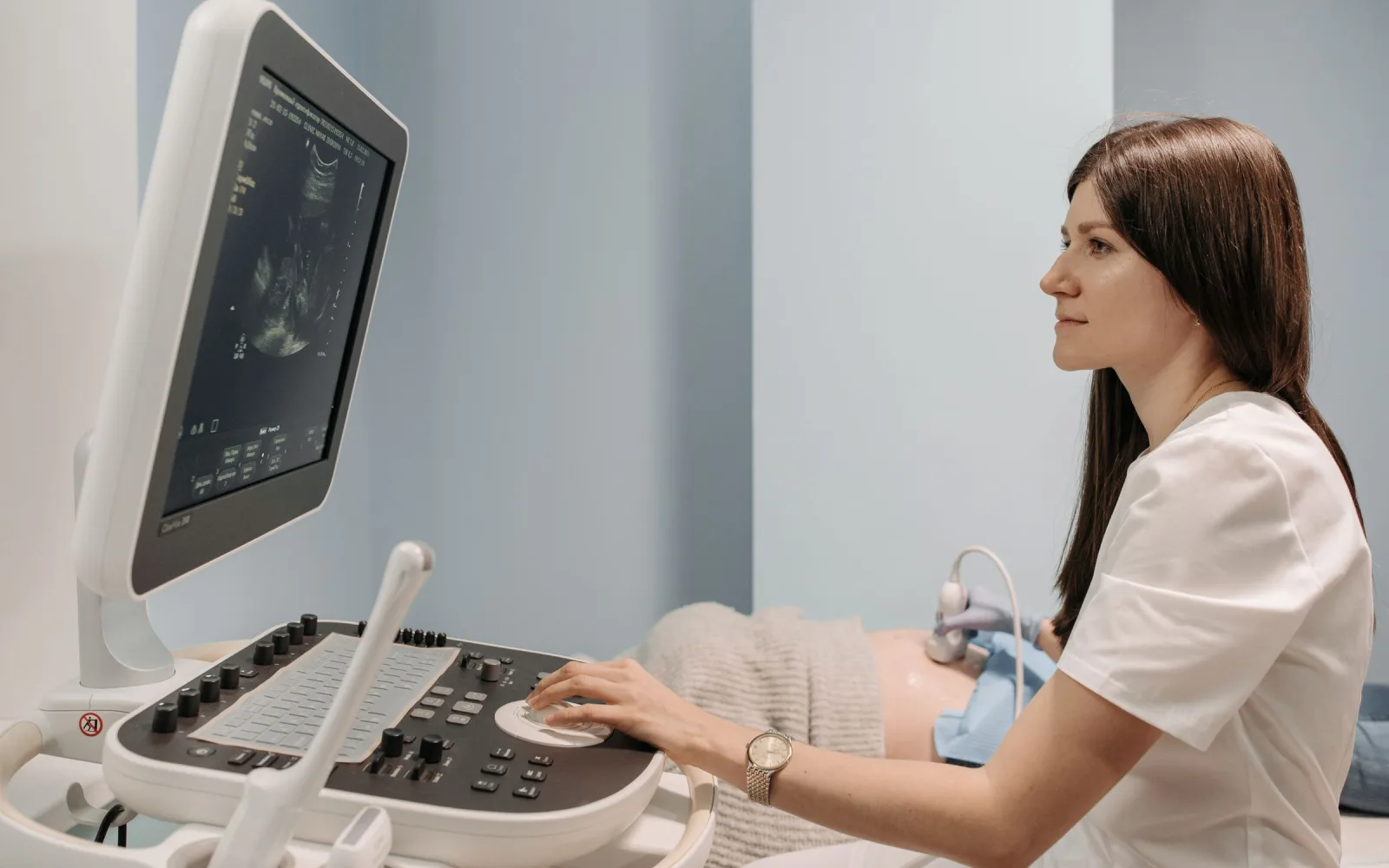
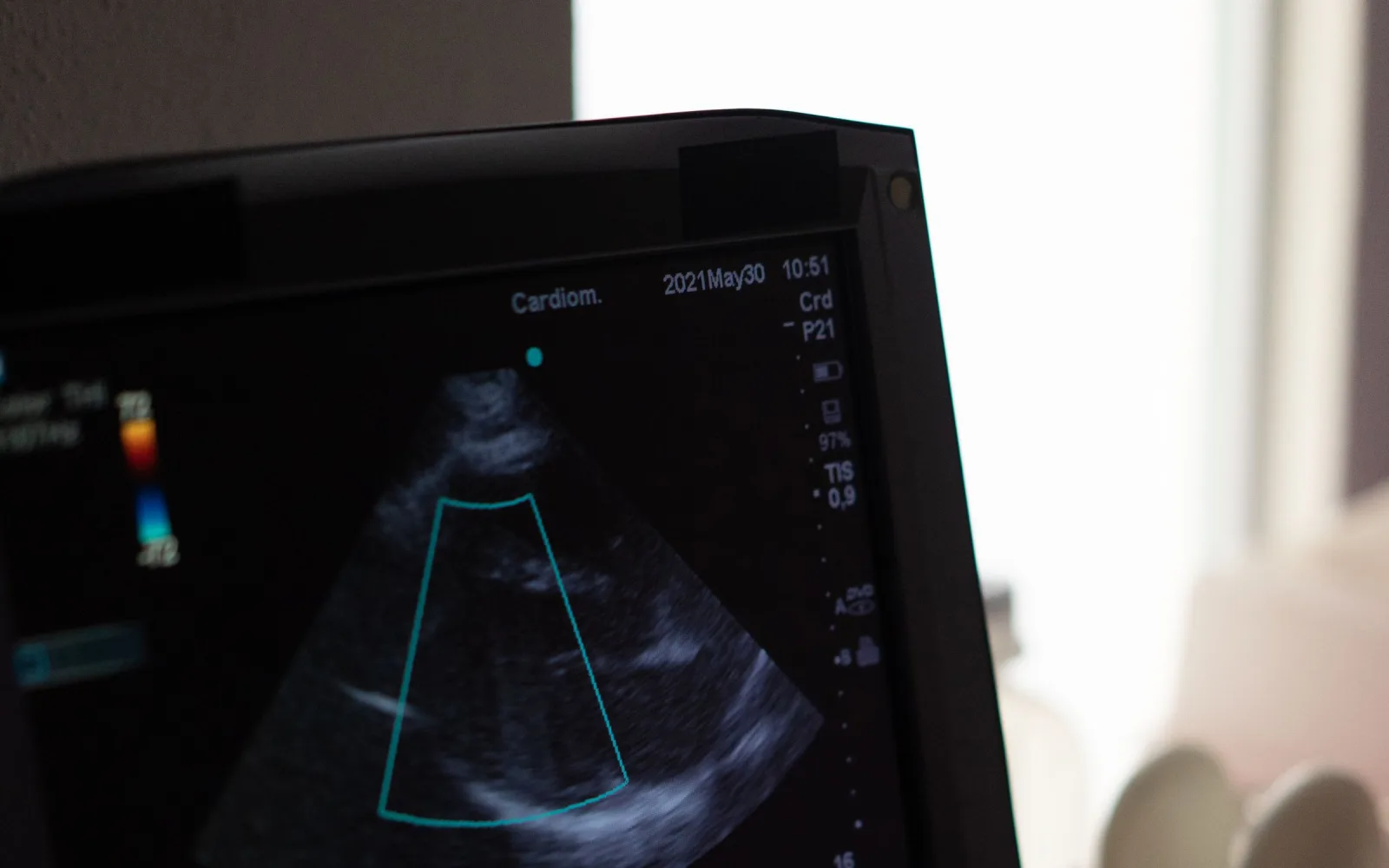
A standard ultrasound shows the shape and size of a vessel or organ. Colour Doppler shows what is moving inside it. The probe picks up the change in sound as it bounces off moving blood. The machine turns that change into colour on the screen and a trace of speed beneath it.
The colours show direction relative to the probe. They do not tell an artery from a vein. The radiologist reads the colour map and the speed trace together. A narrowing makes blood speed up, a blockage leaves a gap in the colour, and a leaking vein valve shows blood flowing backwards.
Doppler has limits. Heavy calcium in an artery wall, a very deep vessel, bowel gas or a patient who cannot lie still can make flow hard to measure. If the answer is unclear, your doctor may suggest a CT angiogram or another test. We do not have a CT scanner, so ask your doctor where to have it done. We can review the images afterwards.
An arterial Doppler checks the vessels that carry blood down to the leg. A venous Doppler checks the veins that bring it back. They answer different questions, so a wrong booking wastes a visit. Start from your symptom.
Both legs are often scanned so the radiologist can compare them. In a person with a diabetic foot ulcer, the arterial study is often an early step before a doctor discusses diabetic foot angioplasty or other ways to restore blood flow.
Four other studies are asked for often. Each looks at one set of vessels.
Doppler of other organs is possible when your doctor asks for it. Send us the prescription and the team will confirm.
Yes. Doppler uses the same sound waves as any ultrasound, so there is no radiation, no needle and no contrast dye. It can be repeated when a doctor needs to follow a problem over time. In pregnancy it is done when there is a reason, and the probe is kept on the baby only as long as the question needs.
These are the studies doctors ask for most often. The note under each one is the usual preparation, and the team confirms the study and the preparation when you book.
Arterial Doppler, legs or arms
No fasting. Wear loose clothing that rolls up above the knee or elbow.
Venous Doppler, legs
No fasting. You may be asked to stand for part of the scan.
Carotid Doppler
No fasting. Remove necklaces and wear an open collar.
Renal Doppler
Fasting for about six hours before. Small sips of water are usually fine.
Scrotal Doppler
A selected-organ study, confirmed when you book. No fasting. Wear clothing that is easy to adjust.
Usually nothing beyond the pregnancy scan. Confirm when you book.
Send the prescription on WhatsApp. The team confirms the exact study, which side or sides are to be scanned, and whether you need to fast.
You loosen or change clothing over the area and lie on a couch. For some vein studies of the leg, you also stand holding a support.
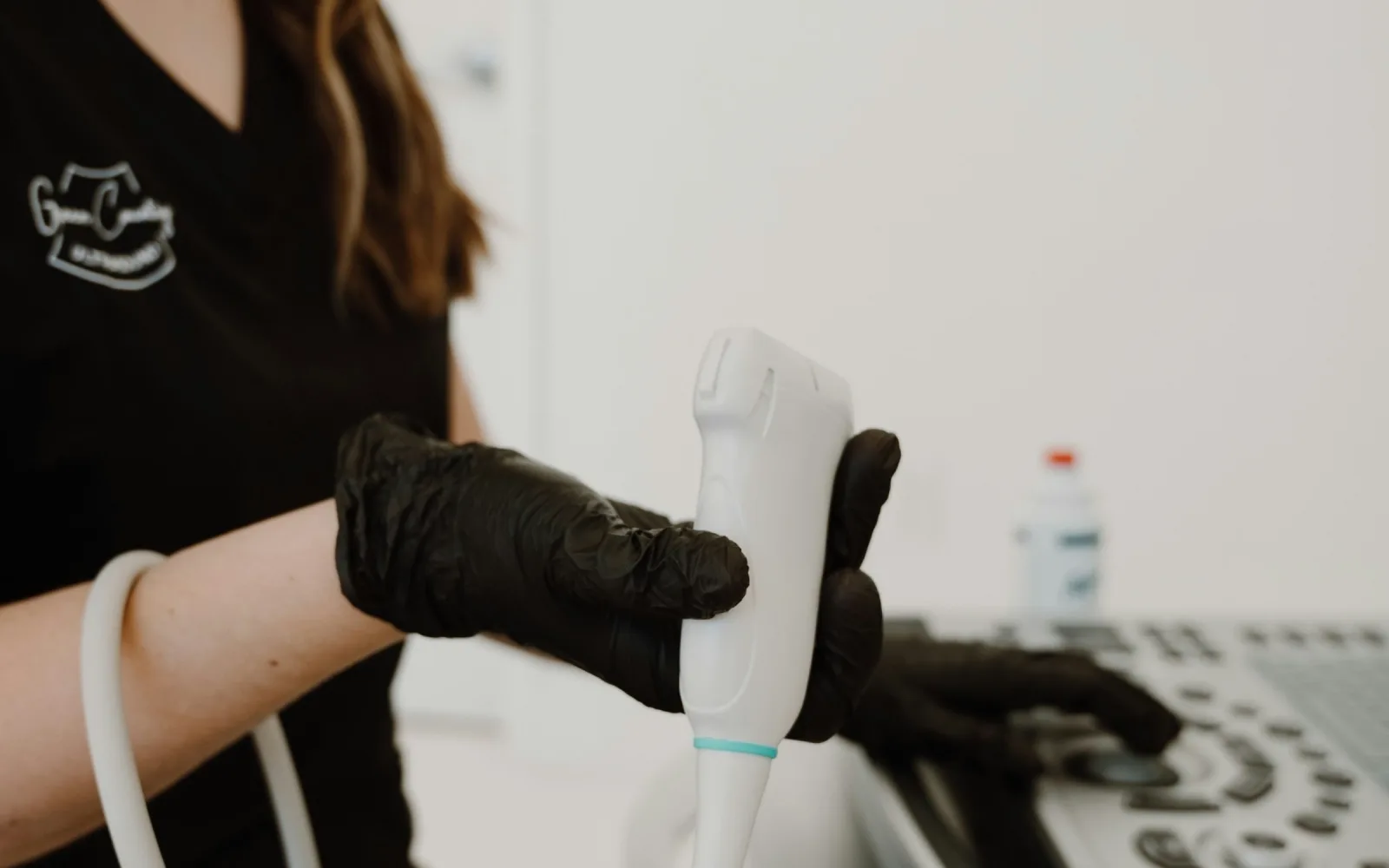
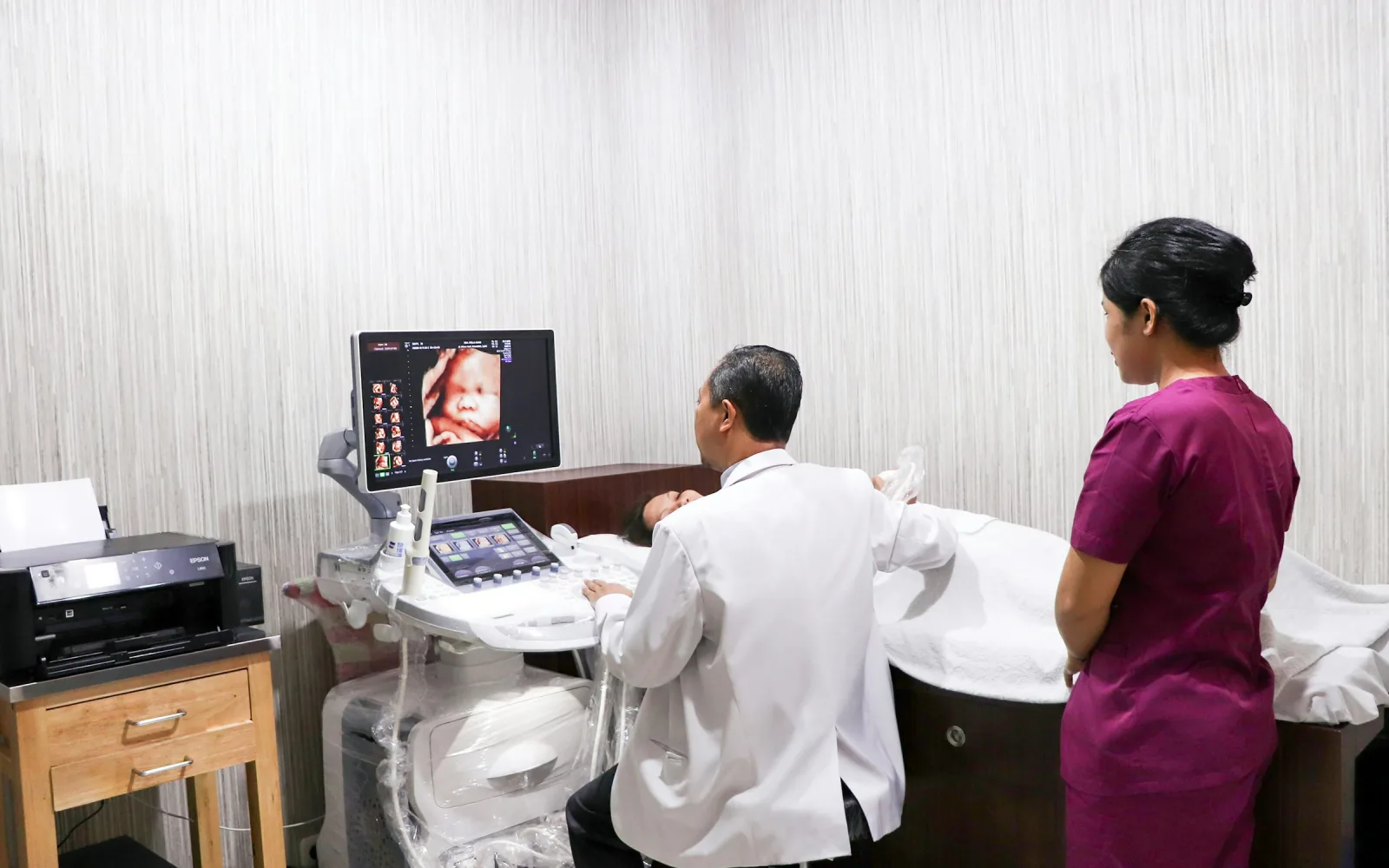
Warm gel is spread on the skin and the probe is moved along the vessel. You will hear a whooshing sound, which is the blood flow turned into audio. The radiologist may press lightly on a vein, ask you to squeeze your calf, or ask you to breathe in and hold.
The radiologist writes up the flow findings and measurements. Ask the team how and when the report will reach you.
Take the report to the doctor who sent you. Treatment, a repeat scan or another test is decided from the whole picture, not from the Doppler alone.
Before your visit
Please bring
After your visit
Call 112 or go to the nearest hospital emergency department if you have:
Dr. Akanksha Bajpai
Radiologist
Her profile supports diagnostic imaging, ultrasound, radiology and patient-focused interpretation.
Read her profileNo. Doppler is a mode of ultrasound, not a different kind of test. A routine scan shows structure. Doppler adds the movement of blood inside that structure. Many reports combine both, so the study can take longer than a routine scan.
No. You feel warm gel and light pressure from the probe. Over a tender, swollen calf the radiologist may press a little more firmly, so say if it is sore. For some arterial leg studies, a blood pressure cuff is inflated around the ankle or thigh for a short time, which feels like a tight squeeze.
Only for studies of the kidney and other abdominal vessels, where you should not eat for about six hours. Leg, neck and scrotal Doppler need no fasting. We confirm the instructions when you book.
Yes. A venous Doppler is the usual test for a clot in the deep veins of the leg. If you have a new, painful, swollen leg, do not wait for a routine slot. See a doctor the same day, and tell the team if you are booking a scan after being advised.
Yes. Obstetric Doppler is used when a doctor has a question about the baby's growth or the mother's blood pressure. It is not part of every pregnancy scan, and it is mostly used in the second half of pregnancy.
A prescription helps, because its wording decides the study, the side and the preparation. If you do not have one, message the team first. They will also tell you the fee and the report timing when you book.
The centre is at 4/12, Vijayant Khand, near Kathauta Chauraha, Gomti Nagar, Lucknow 226010, and you can reach it from Indira Nagar and Gomti Nagar Extension. WhatsApp the prescription to +91 70809 82920 or call 0522-3180995, and the team will confirm which Doppler study, which side and whether you need to fast.
Related services
Appointments
Message us on WhatsApp or call the centre. Tell us the test you need and your preferred day, and the team will confirm the details.
4/12, Vijayant Khand, Gomti Nagar · 0522-3180995