
Breast Procedure • Gomti Nagar

Breast FNAC in Gomti Nagar, Lucknow

Breast FNAC uses a very thin needle to collect cells from a lump or swelling so a pathologist can examine them. Here is when it is used, what it cannot tell you and how the visit goes.

Call
  • Vijayant Khand, Gomti Nagar, Lucknow
  • Mon to Sat 9 AM to 8 PM, Sun 10 AM to 2 PM
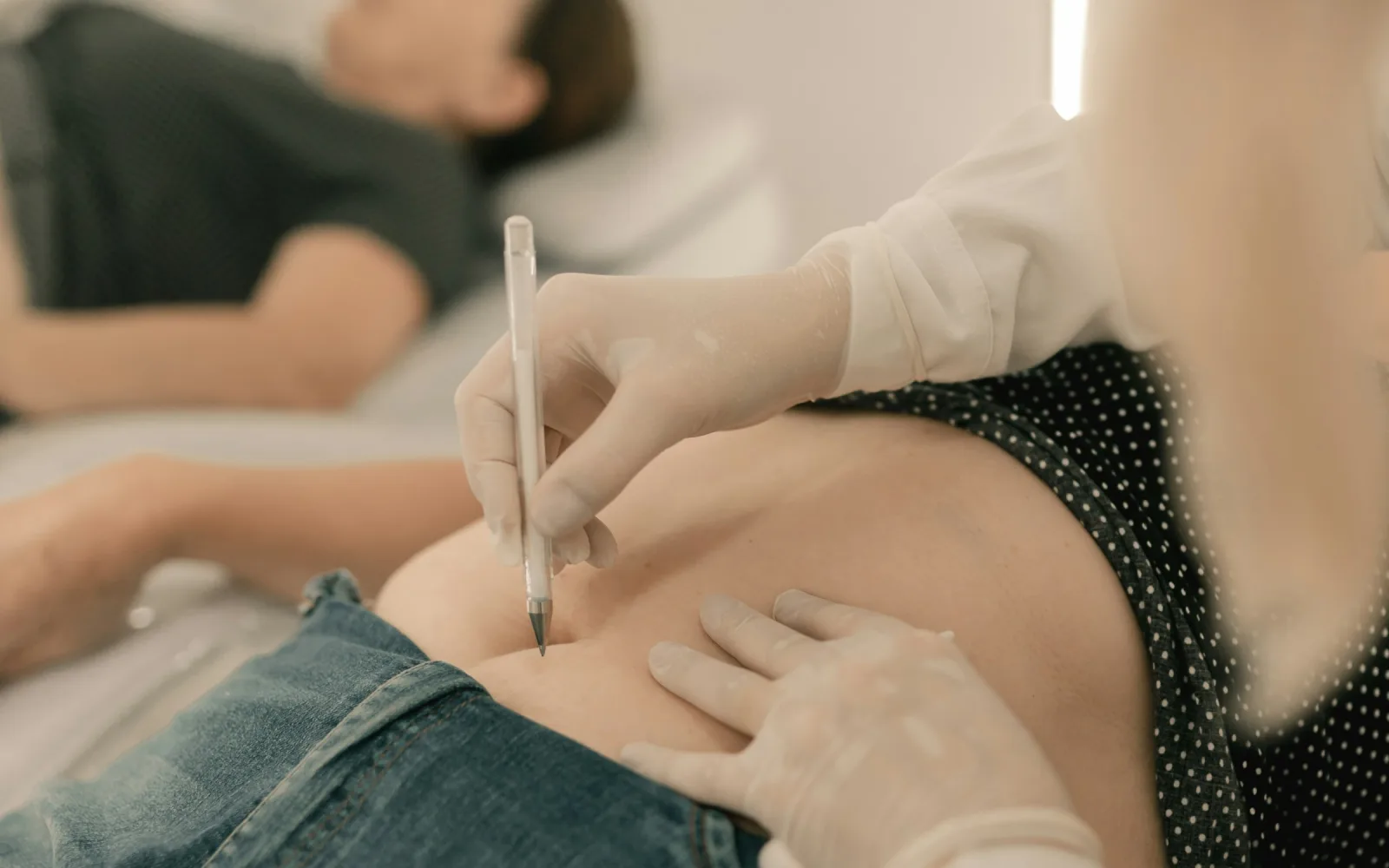
Gloved clinician marking the skin before an image-guided needle procedure
Sample
Cells, not a piece of tissue
Needle
Very thin, no stitches
Fasting
Usually not needed
Next step
Cytology report, then review

What is breast FNAC?

In the breast, FNAC means a doctor passes a very thin needle into a lump and draws out a few cells for a pathologist to study under a microscope. FNAC in other parts of the body, such as the thyroid or neck glands, is covered on the general FNAC test page. This page is only about the breast.

The needle is usually fixed to a syringe. The doctor moves it a few times inside the lump to catch cells, then takes it out. Several passes are often needed. There are no stitches, and a small plaster covers the spot afterwards.

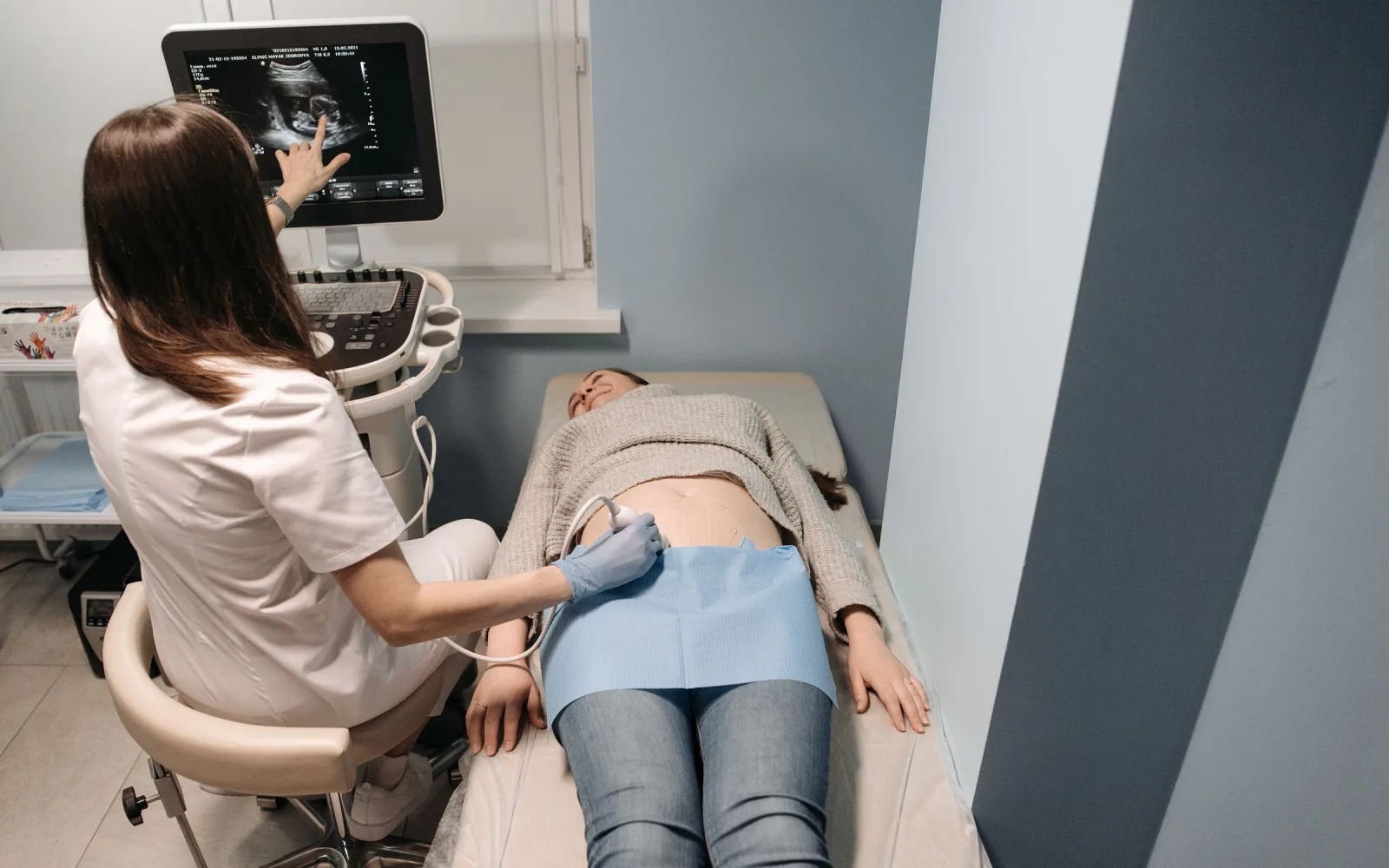
When a lump is small, deep or hard to feel, the needle is placed while the doctor watches it on a screen. That method is described on the USG-guided FNAC page. For a lump you can feel clearly, the doctor may place the needle by hand.

When is FNAC chosen, and when is a biopsy better?

FNAC is chosen when a quick answer from a small sample is enough. It suits a lump you can feel, a swelling that may be a fluid-filled cyst, or an enlarged gland in the underarm. It is read together with the examination and imaging, usually a breast ultrasound and, in older women, a mammogram.

The test has limits. It collects cells, so the pathologist cannot see how the cells are arranged in tissue. That pattern matters in some cases. A core biopsy is usually preferred when doctors need to tell an early cancer from an invasive one, grade a cancer, or test for hormone receptors. For a solid breast lump, many breast teams now choose a core biopsy first because it gives more information.

If FNAC cannot answer the question, the test has still done its job. It tells the team which test to do next.

What the FNAC report can say

The pathologist uses a few standard words. Benign means the cells look non-cancerous. Atypical or suspicious means some cells look unusual and more testing is needed. Malignant means cancer cells were seen. Inadequate means too few cells were collected to give an answer.

An inadequate sample does not mean something is wrong. It can happen when a lump is small, mostly fluid or very fibrous. The sample is then repeated, or a tissue sample is taken instead. Your doctor reads the report with your examination and your scans, so the same word can lead to different advice for different people. Ask your doctor to go through the report with you.

Risks, and how suitability is decided

FNAC is a low-risk test. Common effects are a small bruise, tenderness for a day or two and a drop of blood at the needle site. Fainting from nerves can happen with any needle, so say so if you tend to feel faint. Infection and a larger collection of blood under the skin are uncommon.

Tell the team before the test if you take blood thinners, have a bleeding problem, are pregnant or are breastfeeding. Your doctor may ask for a few blood tests first. Do not stop any prescribed medicine unless your doctor tells you to.

The team reviews your referral and scans before booking. Whether FNAC suits your lump, and who carries it out, is confirmed for each case.

Breast FNAC and core biopsy side by side

Both tests use a needle, but they collect different samples and answer different questions. Your doctor chooses from the lump, your age and your scans.

What it collects

Breast FNAC
Individual cells
Core biopsy
Small thin cores of tissue

Needle

Breast FNAC
Very thin; numbing is optional
Core biopsy
Wider hollow needle; local anaesthetic first

Laboratory name

Breast FNAC
Cytology
Core biopsy
Histopathology

What it can show

Breast FNAC
Whether cells look benign or abnormal, or what a cyst holds
Core biopsy
Tissue pattern, type, grade and receptor tests

Often chosen for

Breast FNAC
A quick check of a lump you can feel, or an underarm gland
Core biopsy
A suspicious finding, or when more detail is needed

What happens when you come for FNAC

  1. 1

    Booking and review

    Send your doctor's note and any scans or reports on WhatsApp. The team reviews them, confirms whether FNAC is the right test and tells you what to bring.

  2. 2

    Positioning

    You lie back on a couch. The doctor feels or scans the lump and cleans the skin over it. A little local numbing may be used.

  3. 3

    Taking the cells

    The needle goes into the lump and is moved a few times. You may feel a pinch and some pressure. Keep still and say if anything hurts. If the lump is a cyst, fluid may come into the syringe.

  4. 4

    Pressure and plaster

    The doctor presses on the spot for a few minutes and covers it. The cells are placed on slides or in fluid and labelled for the laboratory.

  5. 5

    Report and review

    The cytology report goes to the doctor who referred you. The team will tell you when and how you will get it. Plan a visit with your doctor to go through it.

Preparation and aftercare

Before your visit

  • Fasting is not usually needed. Eat and drink as you normally do, unless the team says otherwise.
  • Do not stop blood thinners or any other prescribed medicine unless your doctor tells you to, and mention them when you book.
  • Tell the team about bleeding problems, allergies, and any chance of pregnancy or breastfeeding.
  • A two-piece outfit or a front-opening top makes the breast easy to reach.
  • A relative or friend can come with you for support.

Please bring

  • Your doctor's note or referral
  • Earlier breast scans, with the images if you have them
  • Any earlier FNAC or biopsy report

After your visit

  • Keep the plaster on for the first day, or as the team advises, and avoid rubbing the spot.
  • A small bruise or mild soreness is common. Ask the team which painkiller suits you if you need one.
  • Most people carry on with their day. Avoid strenuous exercise for the rest of the day if the area is tender.
  • Keep the report with your other breast records and take it to your doctor.

Warning signs after FNAC

Most people have only a small bruise. Contact the team or your doctor the same day, or go to an emergency department if you cannot reach them, if you notice:

  • Bleeding that soaks the dressing and does not stop after ten minutes of firm pressure.
  • A swelling at the site that grows quickly or feels tight and painful.
  • Spreading redness, warmth or pus at the site, or a fever.
  • Pain that gets worse instead of settling.
  • Breathlessness or chest pain, which needs urgent care.

Meet our radiologist

Dr. Pranjali Joshi, Breast Radiologist at Lucknow Imaging Centre

Dr. Pranjali Joshi

Breast Radiologist

  • MBBS (KGMU)
  • MD Radiodiagnosis (Dr. RMLIMS)
  • PDCC Breast Imaging (AIIMS Rishikesh)

Dr. Pranjali Joshi is the centre's breast radiologist. Whether breast FNAC suits your lump, and who carries it out, is confirmed for each case after the team reviews your scans.

Read her profile
Breast FNAC: common questions

Is breast FNAC painful?

It feels like an injection with some pressure while the needle moves inside the lump. Most people find it uncomfortable rather than very painful, and it is over quickly. Tell the doctor if you feel a sharp pain so they can pause.

Can FNAC spread cancer?

Not as far as anyone knows. A thin sampling needle has not been shown to make a lump spread. This worry is common, and it is a good reason to ask the doctor to explain the test before you begin.

Can FNAC tell me whether I have breast cancer?

It can show whether cells look benign, unusual or cancerous. It cannot give every detail about a cancer, and a result is sometimes unclear. Your doctor may then advise a biopsy. A single report is read together with your scans and examination.

What if my FNAC report says benign but the lump is still there?

A benign result is reassuring, but doctors read it with the scan and the examination. If the three do not agree, or the lump grows or changes, they may repeat the sample or advise a core biopsy. Keep any follow-up visit your doctor suggests.

Do I need to fast or stop medicines before breast FNAC?

Usually not. FNAC does not need an empty stomach. Do not stop any prescribed medicine, including blood thinners, unless your own doctor tells you to, and tell the team about them when you book.

Can I have breast FNAC during my period, or when pregnant or breastfeeding?

A period does not usually stop FNAC, though the breasts may be more tender. Pregnancy and breastfeeding change breast tissue, so tell the team early. A lump at that time is still checked, usually starting with ultrasound, and the team decides which test is appropriate.

How do I book breast FNAC in Gomti Nagar?

Message the centre on WhatsApp at +91 70809 82920 or call 0522-3180995 with your doctor's note and scans. The team confirms whether FNAC is suitable and who will carry it out, and tells you how to prepare. We are at 4/12 Vijayant Khand, near Kathauta Chauraha.

Last updated 12 October 2026.

This page gives general information to help you prepare. It does not replace advice from your own doctor, who knows your history and examination findings.

Appointments

Ask about Breast FNAC in Gomti Nagar, Lucknow

Send your prescription and any earlier reports on WhatsApp or call the centre. The team reviews them and tells you the next step.

4/12, Vijayant Khand, Gomti Nagar · 0522-3180995

Reception at Lucknow Imaging Centre, Gomti Nagar
