Interventional Radiology • Gomti Nagar
Liver Tumour Ablation in Lucknow
Ablation uses heat from a thin needle to destroy a small liver tumour in place, usually guided by ultrasound. A specialist team decides who it suits. This page explains the options and the risks.
- Vijayant Khand, Gomti Nagar, Lucknow
- Mon to Sat 9 AM to 8 PM, Sun 10 AM to 2 PM
- Used for
- Selected small liver tumours
- Guided by
- Ultrasound, sometimes other imaging
- Decided by
- A specialist team
- Where it is done
- Confirmed by the team after review
What is liver tumour ablation?
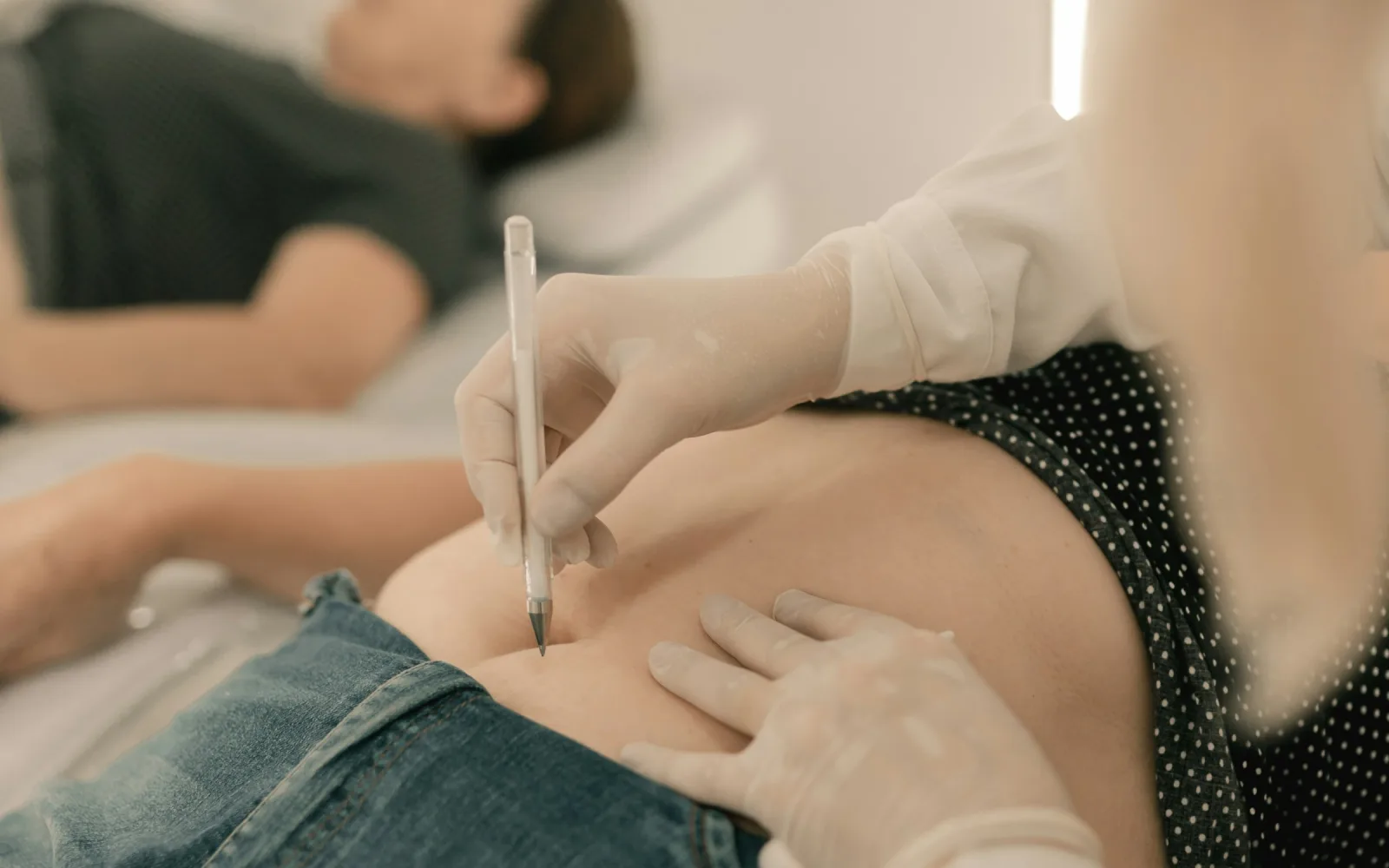
Liver tumour ablation destroys a tumour where it sits, without removing it by surgery. A thin needle or probe is placed into the tumour through the skin. Energy from the tip heats the tumour, and a small margin around it, until the cells die.
There are two common forms. In radiofrequency ablation, an electrical current heats the tissue around the probe. In microwave ablation, microwaves do the heating. Both heat the tumour until it dies. The team chooses between them according to its size and position.
The needle is usually watched on ultrasound as it moves, so the team can see the tip reach the tumour. Other imaging is sometimes used with it, or instead, when a tumour is hard to see on ultrasound.
Which liver tumours are treated this way?
Ablation is considered for small tumours in the liver, usually few in number. They may be a primary liver cancer, which starts in the liver, often in someone with long-standing liver disease. Or they may be secondary tumours, which have spread to the liver from another organ such as the bowel.
Size, number and position all matter. A tumour close to a large blood vessel, the gallbladder, the bowel or the diaphragm is harder to treat safely. So is a tumour in a liver that is already working poorly.
Other treatments are considered too: surgery to remove part of the liver, a liver transplant, artery-based treatment such as TACE, radiotherapy, drug treatment, or careful watching. Ablation may be used alone or along with these. Which is right depends on the tumour, the liver and the person.
Benefits, limits and risks
Ablation is often a smaller procedure than an operation, and the aim is to destroy the tumour while leaving the rest of the liver alone. It does not always destroy all of the tumour. Tumours can come back in the treated area or appear elsewhere in the liver, which is why scans are repeated afterwards.
The main risks are these:
- Pain and fever: pain in the upper right abdomen or shoulder, a low fever and tiredness for a few days are common.
- Bleeding: from the liver or the puncture site, which can sometimes need further treatment.
- Infection: including an abscess in the treated area, more likely if there has been bile duct surgery or a stent.
- Injury to nearby organs: the bowel, gallbladder, bile ducts, diaphragm or lung.
- Liver function: in a liver that is already damaged, treatment can make it work worse for a time.
- Anaesthesia: the team doing the procedure explains the anaesthesia or sedation and its risks.
These are general risks. Your own risk depends on your liver, your other conditions and the position of the tumour. No one can promise a result.
Who decides, and where the procedure is done
The decision belongs to a specialist team, not to a single test. It usually includes a liver specialist or oncologist, a surgeon and an interventional radiologist, who look at the scans and your liver function together.
At our centre the team reviews your referral, scans and reports first. This includes blood tests such as a liver function panel, and the contrast CT or MRI normally used to map liver tumours. The centre does not have a CT or MRI scanner. Your doctor advises where to get these, and we can review the images and reports.
After that review, the team confirms whether the procedure is carried out at the centre or elsewhere, and by whom. In some cases the specialist first asks for a biopsy to confirm what the tumour is.
Ablation, artery-based treatment and surgery compared
A specialist team weighs these options for each person. The table is a general guide, not advice for your case.
How it reaches the tumour
- Ablation
- A needle through the skin heats the tumour.
- Artery-based treatment (TACE)
- A catheter in an artery delivers treatment to the tumour.
- Surgery
- An operation removes part of the liver.
Usually considered for
- Ablation
- Small tumours, few in number.
- Artery-based treatment (TACE)
- Selected tumours that ablation or surgery cannot deal with alone.
- Surgery
- Tumours that can be removed while leaving enough healthy liver.
Main limits
- Ablation
- Size and position of the tumour. Some tumour can be left behind.
- Artery-based treatment (TACE)
- Needs reasonable liver function. Fever and pain afterwards are common.
- Surgery
- A major operation, and enough healthy liver must remain.
From referral to follow-up
-
1
Share your scans and reports
Message or call us. Share the referral, the scan reports and images, recent blood test results and a list of your medicines.
-
2
Team review
The team goes through everything and tells you whether more tests are needed. It then confirms where the procedure can be carried out, and by whom.
-
3
Planning
The doctor doing the procedure explains the plan, the alternatives and the risks, and takes your consent. Blood tests, including clotting, are usually checked beforehand.
-
4
The procedure
The needle is guided into the tumour under imaging and the tumour is heated. You are told in advance how you will be kept comfortable.
-
5
Recovery
You are watched for pain, bleeding and fever. The team doing the procedure tells you when you can eat, move about and go home.
-
6
Follow-up scans
A scan is repeated some weeks after treatment to check the result, then at intervals your specialist decides.
Preparation and aftercare
Before your visit
- Gather all scans, both the images and the reports, and recent blood tests including liver function, clotting and blood count.
- Prescribed medicines should not be stopped on your own. Blood thinners need a plan from the treating doctor.
- Tell the team about diabetes, kidney problems, allergies and any earlier liver or bile duct procedure.
- Expect to be asked to fast beforehand. The team doing the procedure gives the exact instructions.
- Arrange for a family member to come with you.
Please bring
- Doctor's referral and clinic notes
- Scan images (CT or MRI) with their reports
- Recent blood and liver test reports
- List of current medicines
After your visit
- Rest for the period the team advises, and avoid heavy lifting until they say it is safe.
- Take only the pain relief and medicines that were prescribed. Ask before using any other.
- Eat and drink as instructed once you are cleared to.
- Keep every follow-up scan and blood test appointment. These checks matter as much as the procedure.
Warning signs after the procedure
Contact the treating team, or go to the nearest hospital emergency department, if you have any of these after ablation.
- Fever with shivering, or a fever that lasts beyond the first few days.
- Abdominal pain that is severe or keeps getting worse.
- Yellow eyes or skin, dark urine or pale stools.
- Vomiting blood, black stools, or feeling faint and very weak.
- Swelling, redness, pus or bleeding at the puncture site.
- Chest pain or difficulty breathing.
Liver Tumour Ablation: common questions
What is the difference between radiofrequency and microwave ablation?
Both destroy a tumour with heat from a probe. Radiofrequency uses an electrical current, and microwave ablation uses microwaves. The team picks the one that suits the size and position of the tumour. Neither is right for everyone.
Is liver tumour ablation surgery?
It is not open surgery. The needle goes through a small puncture in the skin, guided by imaging. It is still a procedure with real risks, and the team doing it chooses the anaesthesia or sedation.
Which tumours are too big or too risky for ablation?
Larger tumours, tumours close to the bowel, gallbladder or large vessels, and tumours in a liver that works poorly are harder to treat. The team may suggest artery-based treatment, surgery or other options instead.
Do I need a biopsy before ablation?
Not always. In some people with long-standing liver disease, the scan appearance is enough. In others, a tissue sample is needed to confirm what the tumour is. Your specialist decides.
Can the tumour come back after ablation?
Yes. Tumours can return at the treated spot or appear elsewhere in the liver. This is why follow-up scans and blood tests are repeated, and why further treatment may be discussed later.
Can I have liver tumour ablation at your centre in Lucknow?
The team confirms this after reviewing your referral, scans and reports. Whether the procedure is done at the centre or elsewhere, and by whom, is decided case by case. We would rather say so before you travel.
Does a fatty liver need ablation?
No. A fatty liver on its own is not a tumour and is not treated with ablation. Fat in the liver is common, and your doctor guides what to do about it. If you want the liver checked, our fatty liver package combines an abdominal ultrasound with blood tests.
Do you do the CT or MRI needed before ablation?
No. The centre does not provide CT or MRI. Ask your doctor where to have the scan done, then send us the images and report for review.
Related services
Tests and care that often go together
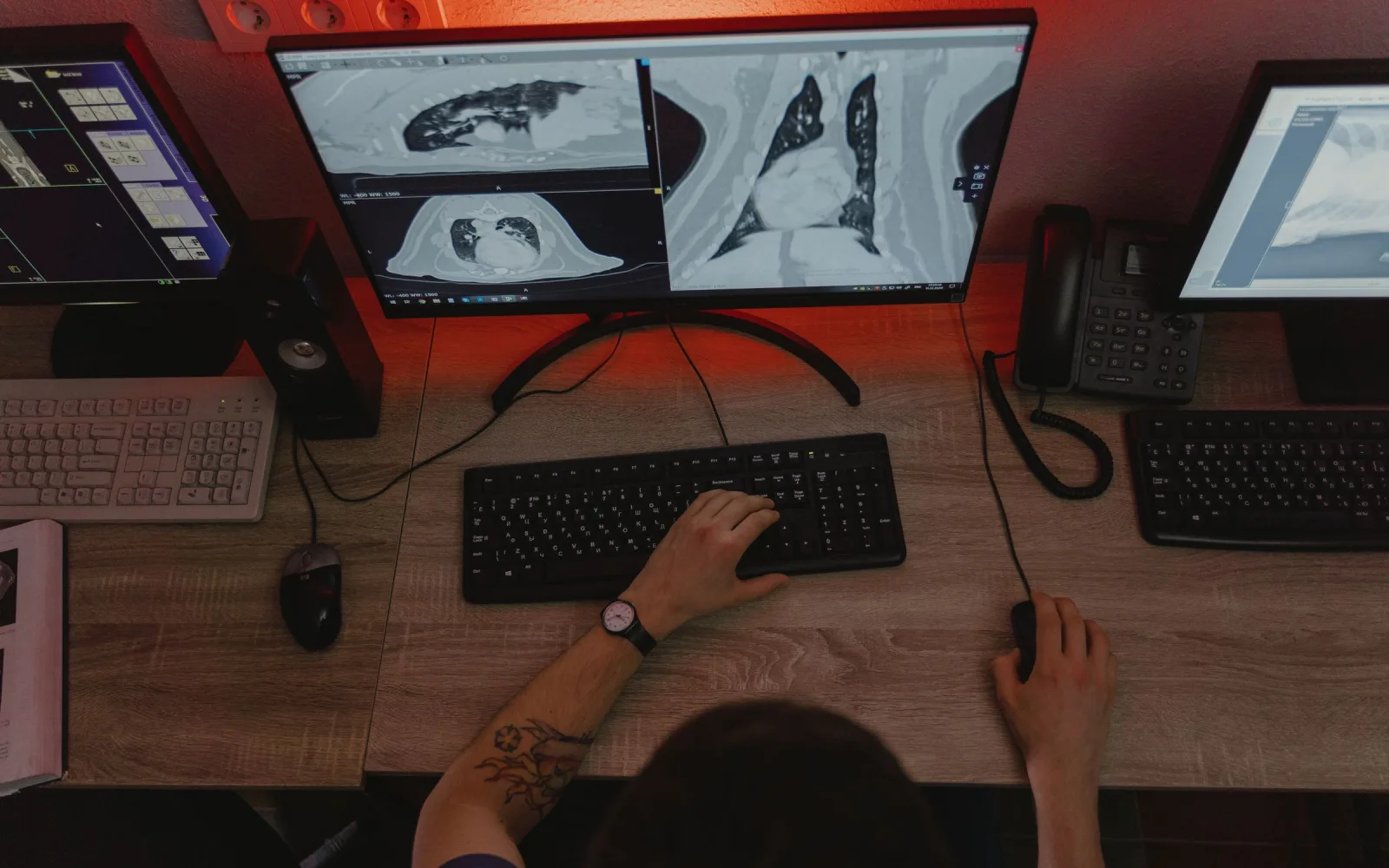
Transarterial Liver Tumour Treatment
Treatment delivered through the artery feeding the tumour.
Learn more
Image-Guided Biopsy
A tissue sample to confirm what a tumour is.
Learn more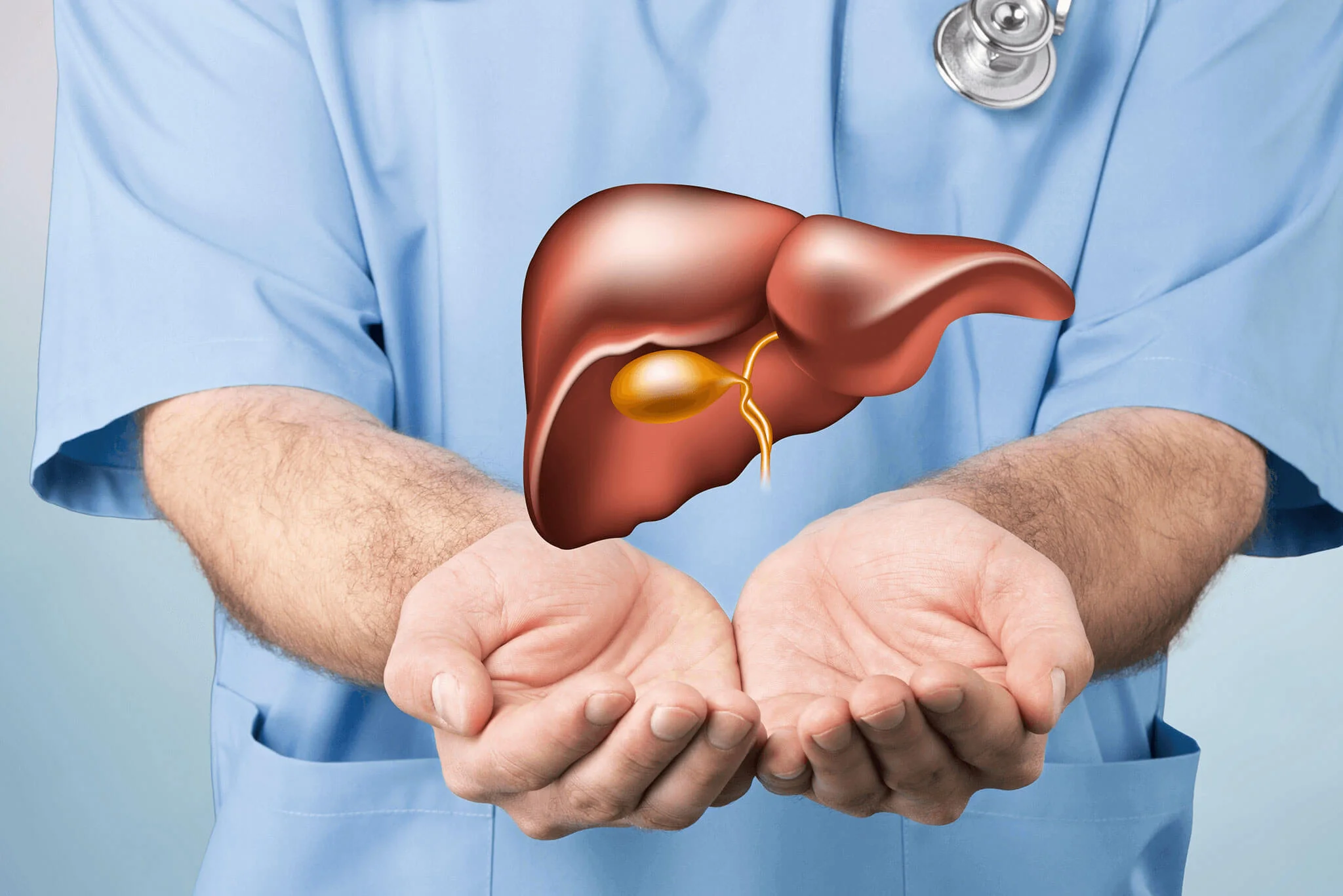
Liver Health Package
Blood tests that show how well the liver is working.
Learn more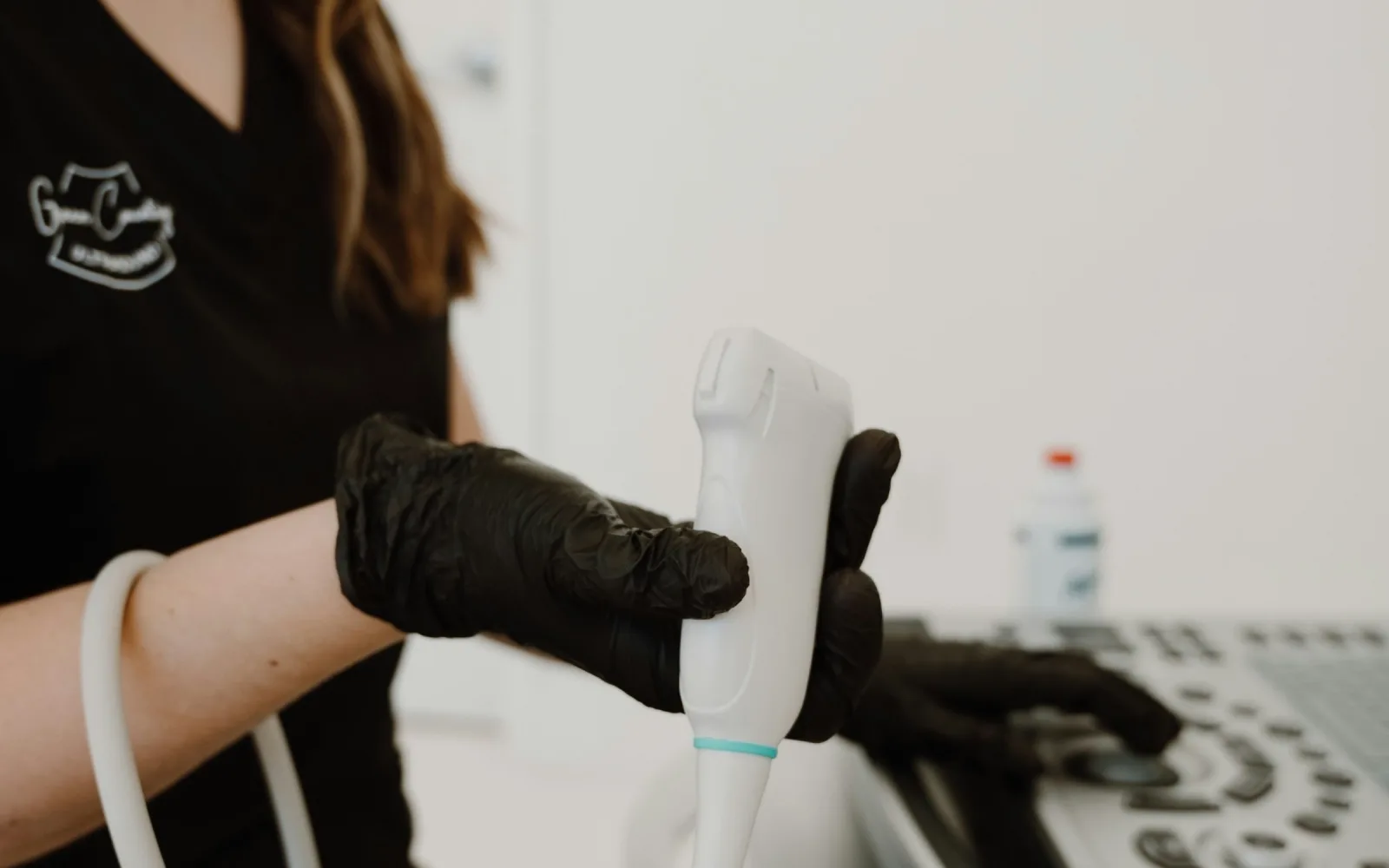
Ultrasound
The scan that usually guides the needle.
Learn moreAppointments
Ask about Liver Tumour Ablation in Gomti Nagar, Lucknow
Send your prescription and any earlier reports on WhatsApp or call the centre. The team reviews them and tells you the next step.
4/12, Vijayant Khand, Gomti Nagar · 0522-3180995
