Interventional Radiology • Gomti Nagar
Varicose Vein Treatment in Lucknow
Varicose veins are swollen, twisted veins under the skin, most often in the legs. A Doppler scan of the leg veins comes first, because it shows what is wrong and which treatment, if any, will help.
- Vijayant Khand, Gomti Nagar, Lucknow
- Mon to Sat 9 AM to 8 PM, Sun 10 AM to 2 PM
- First step
- Colour Doppler vein mapping scan
- Options
- Stockings, injection, endovenous
- Where done
- Confirmed after we review your case
- Booking
- WhatsApp or phone
What are varicose veins, and why do they form?
Varicose veins are leg veins that have become enlarged, twisted and visible under the skin. Veins carry blood back to the heart, and small one-way valves inside them stop it sliding backwards. When those valves weaken, blood leaks back down and pools, and the vein wall stretches.
The tendency often runs in families. Long hours of standing at work, several pregnancies, age and extra weight add to the strain. An earlier clot in a leg vein can also damage the valves.
- Aching or heaviness in the legs, worse by evening and better when you lift them up.
- Swollen ankles and cramps at night.
- Itching or darker skin around the ankle, a sign that blood has been pooling for some time.
- Sores near the ankle that heal slowly or keep coming back.
Fine red or blue spider veins in the skin are a milder, related problem. They seldom cause symptoms and are usually treated for appearance. Enlarged veins in the scrotum are a different condition, called a varicocele.
Why a Doppler vein mapping scan comes first
The scan shows what the eye cannot see, which is where the blood is leaking. The veins you can see are often the end of the problem, while the leak starts higher up, at the groin or behind the knee.
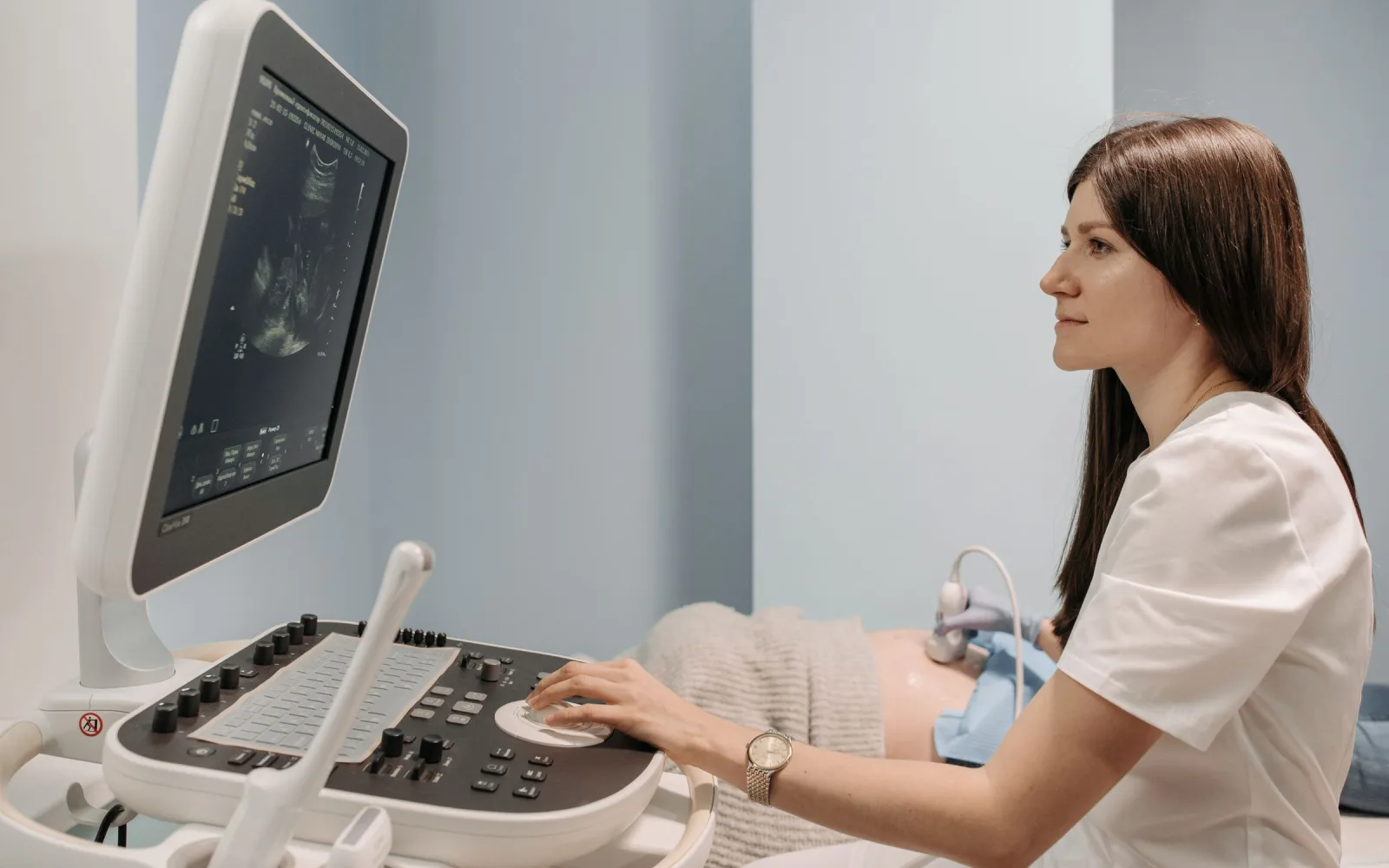
Colour Doppler is a scan that also shows the direction and speed of blood flow. For varicose veins it is usually done with you standing, so that gravity makes any backward flow, called reflux, easy to see. The radiologist looks for four things.
- Which veins leak, and where the leak begins.
- How wide and how long each vein is, which affects the choice of treatment.
- Whether the deep veins are open. If a deep vein is blocked, the surface veins may be acting as a bypass and should not be closed.
- Whether there is an old clot or another cause for the swelling.
The scan uses sound waves, so there is no radiation and no injection. It also gives your doctor a record to compare with after treatment.
Treatment options in general terms
Treatment ranges from simple measures to closing the faulty vein. Which one suits you depends on the scan, your symptoms and your health. These are the usual choices.
- Compression stockings squeeze the leg so blood moves upward. They ease aching and swelling, and are the first step for many people. They do not remove veins that are already enlarged. They are not suitable when the leg arteries are poorly supplied, so your doctor checks the foot pulses first.
- Leg care at home: walking, resting with the legs raised, avoiding long spells of standing still, and keeping weight in a healthy range.
- Endovenous treatment closes the faulty vein from the inside. A thin tube is passed into the vein under ultrasound guidance, and heat (laser or radiofrequency) or a medical glue seals it. Blood then flows through healthier veins nearby.
- Foam or liquid sclerotherapy is an injection that irritates the lining of smaller veins so that they close and fade.
- Surgery to tie off and remove veins is still used, mainly when the other methods do not suit the veins.
Endovenous treatment is often done as a day procedure with local anaesthetic, and an injection needs only a fine needle. This depends on the vein and on where the procedure is carried out. The treating team sets how long you wear compression afterwards.
Risks, limits and recurrence
Treatment closes or removes the veins that leak now, but it does not stop new ones from forming. Varicose veins can come back in the same leg or in another vein, particularly while the cause, such as family tendency, long standing or weight, is still there. Staying active and keeping a healthy weight may help, but nothing removes the chance.
Every method has risks, and your doctor should explain them before you agree.
- Bruising, tenderness or a tight, cord-like feeling along the treated vein, which usually settles over weeks.
- Brownish staining of the skin over the vein, which can take months to fade.
- Inflammation of a vein near the treated area, called phlebitis.
- Patches of numb or tingling skin from irritation of a small nerve, usually temporary.
- The vein not closing fully, so that a second treatment is needed.
- Rarely, a blood clot in a deep leg vein that can travel to the lungs. This is why leg swelling or chest symptoms after treatment must be reported at once.
How suitability is decided, and where treatment happens
The decision rests on your symptoms, the Doppler findings and your general health, and it is made together with your own doctor. A procedure is usually advised when varicose veins cause pain, swelling, skin changes, ulcers or repeated inflammation. Veins that only bother you for their looks can be discussed too, and that is a personal choice.
Treatment is usually put off during pregnancy, and after a recent leg clot it is handled differently. Your doctor will say what applies to you.
Send your referral, earlier scans and reports to the team. We review them first. Whether treatment is then carried out at our centre or elsewhere, and by which doctor, is confirmed only after that review. The Doppler vein scan itself is a test we do at the centre. The full range of interventional radiology procedures is listed on its own page.
What to expect, from first message to follow-up
-
1
Share your records
Message or call with your prescription and any earlier leg scans. The team confirms the scan and tells you how to prepare.
-
2
Doppler vein mapping
You stand or sit while gel and the probe are moved along the leg. The scan shows where blood flows the wrong way.
-
3
Review of the findings
The radiologist reports the scan. The team reads it with your referral and explains what it means for treatment.
-
4
Treatment, if advised
If a procedure is chosen, you are told who will do it, where, and how to prepare. Consent is taken before it starts.
-
5
Follow-up
A repeat Doppler scan is often advised some weeks after a vein is closed, to check that the treated vein has stayed shut.
Preparation and aftercare
Before your visit
- For the scan, wear loose clothing that lets you uncover the whole leg, or bring shorts.
- Eat and drink as usual. The vein scan needs no fasting.
- Skip thick creams and oils on the legs that day, as they get in the way of the gel.
- Tell the team about blood thinners, hormone tablets and any past leg clot. Do not stop prescribed medicines unless your doctor tells you to.
- If a procedure is planned, the team tells you separately about fasting and medicines.
Please bring
- Your doctor's prescription or referral
- Earlier leg Doppler or ultrasound reports
- Your compression stockings, if you wear them
- A list of your medicines
After your visit
- Walk every day from the first day, unless told otherwise. Walking helps blood move through the deeper veins.
- Wear compression stockings for as long as you are told.
- Avoid long spells of standing still and hot baths until the treating team says they are safe again.
- Mild bruising and tightness along the vein are common. Use only the pain relief your doctor has advised.
- Keep every follow-up scan and appointment.
When to get help after varicose vein treatment
Contact the treating team the same day, or go to an emergency department, if you notice any of these.
- Sudden swelling, pain or tightness in one calf or leg, with warmth or redness.
- Breathlessness, chest pain or coughing up blood. Go to an emergency department at once.
- A varicose vein that bleeds. Lie down, raise the leg and press firmly with a clean cloth while you get help.
- Spreading redness, pus or fever after treatment.
- A cold, pale or numb foot, or a new sore near the ankle that is not healing.
Varicose Vein Treatment: common questions
Do all varicose veins need treatment?
No. Many people only need compression stockings, leg care and a check-up. Treatment is usually advised when the veins cause pain, swelling, skin changes, ulcers or repeated inflammation, or when the scan shows a leak likely to cause trouble. Your doctor decides after seeing the scan.
Can I go straight to treatment without a scan?
No. A Doppler vein mapping scan is the standard first step, because it shows which vein leaks and whether the deep veins are open. Treating the wrong vein, or closing one that the leg depends on, can do harm. Bring your prescription and the team will tell you how to prepare.
Is varicose vein treatment done with laser?
Laser is one of several endovenous methods. Radiofrequency heat, medical glue and foam injections are others, and each suits different veins. Which method is chosen, and whether it is done at our centre or elsewhere, is confirmed after the team reviews your scan and reports.
Will varicose veins come back after treatment?
They can. Treatment closes the veins that leak now, but the tendency to form new ones remains. Regular walking and a healthy weight may help. If symptoms return, a repeat Doppler scan shows whether an old vein has reopened or a new one has started leaking.
Are compression stockings enough?
For many people they relieve symptoms, but they do not close a leaking vein. If you wear them and the aching, swelling or skin changes continue, ask your doctor about a Doppler scan. Stockings must be the right size and strength, so get them fitted rather than buying a pair at random, and ask your doctor first if you have diabetes or poor circulation in the legs.
Can a slow-healing leg ulcer be caused by something other than veins?
Yes. Leaking veins cause ulcers near the ankle, but poor artery flow, as in diabetes, can also stop a sore from healing, and it needs a different treatment. See diabetic foot angioplasty. A scan should show which problem is behind the ulcer, so do not rely on dressings alone.
How soon can I walk and go back to work after treatment?
Most people walk the same day after an endovenous procedure or an injection, and many return to desk work within a few days. This depends on the method, the veins treated and your job. The treating team gives written advice for your case.
Where can I get varicose vein treatment in Lucknow?
Start with a Colour Doppler vein mapping scan at our centre at Vijayant Khand, Gomti Nagar, near Kathauta Chauraha. From that scan and your reports, the team confirms whether the treatment you need is done at our centre or elsewhere, and by whom. Message or call us to book.
Related services
Tests and care that often go together
Colour Doppler
The scan that shows which leg veins leak.
Learn more
Varicocele Embolization
Enlarged veins of the scrotum, treated by a different route.
Learn more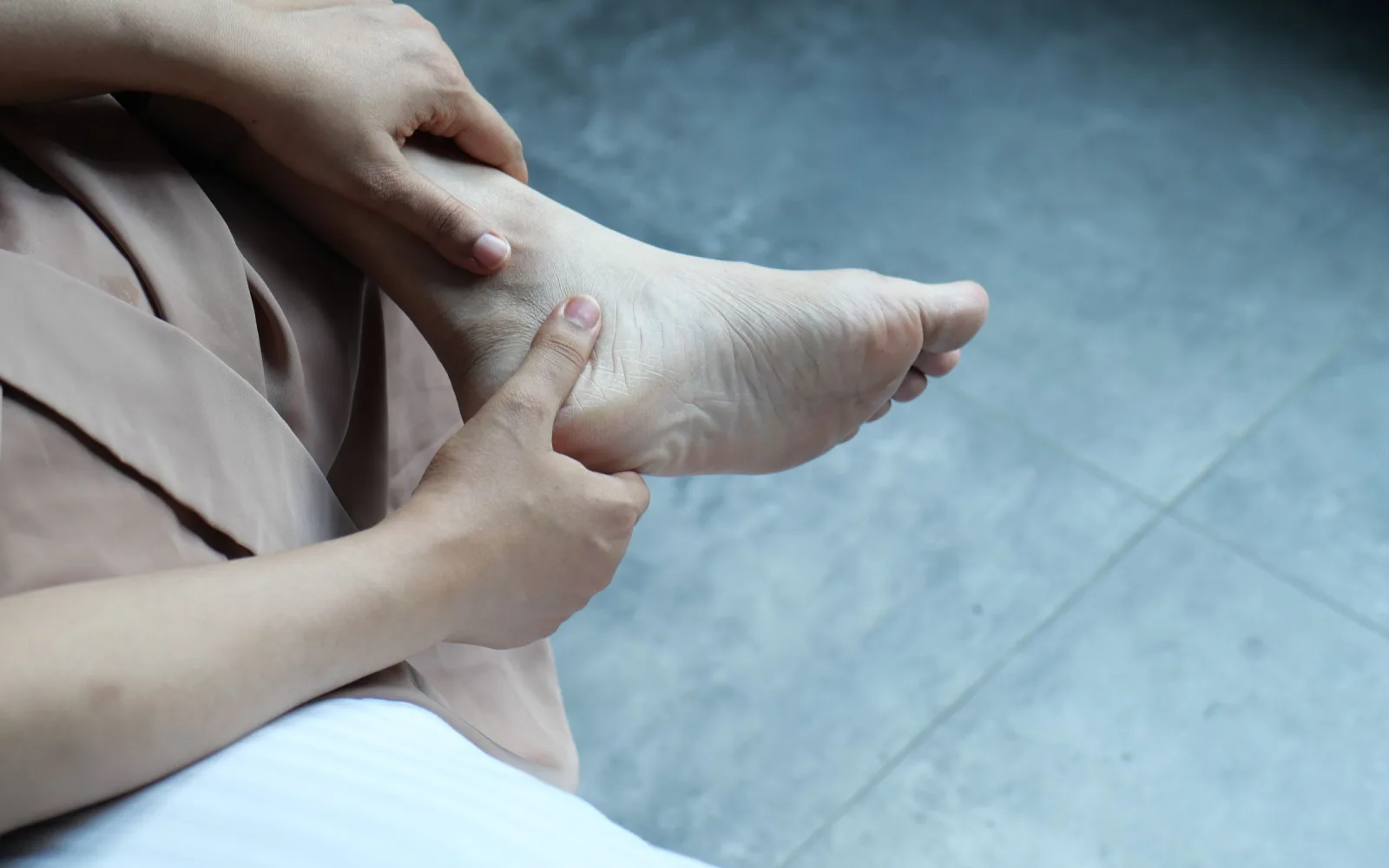
Diabetic Foot Angioplasty
When leg sores come from narrowed arteries.
Learn more
Interventional Radiology
All image-guided procedures in one place.
Learn moreAppointments
Ask about Varicose Vein Treatment in Gomti Nagar, Lucknow
Send your prescription and any earlier reports on WhatsApp or call the centre. The team reviews them and tells you the next step.
4/12, Vijayant Khand, Gomti Nagar · 0522-3180995
