Interventional Radiology • Gomti Nagar
Transarterial Liver Tumour Treatment (TACE) in Lucknow
Transarterial treatment delivers medicine or tiny particles through the artery that feeds a liver tumour. TACE is the most common form. A specialist team selects who it suits.
- Vijayant Khand, Gomti Nagar, Lucknow
- Mon to Sat 9 AM to 8 PM, Sun 10 AM to 2 PM
- Route
- Through the artery feeding the tumour
- Used for
- Selected liver tumours
- After effects
- Pain, fever, tiredness for some days
- Decided by
- A specialist team
What is transarterial liver tumour treatment?
It is a way of treating a liver tumour from inside the blood vessels that feed it. The liver has two blood supplies. The portal vein carries most of the blood to healthy liver tissue, while most liver tumours draw their blood from the hepatic artery. Treating that artery can reach the tumour while sparing much of the healthy liver.
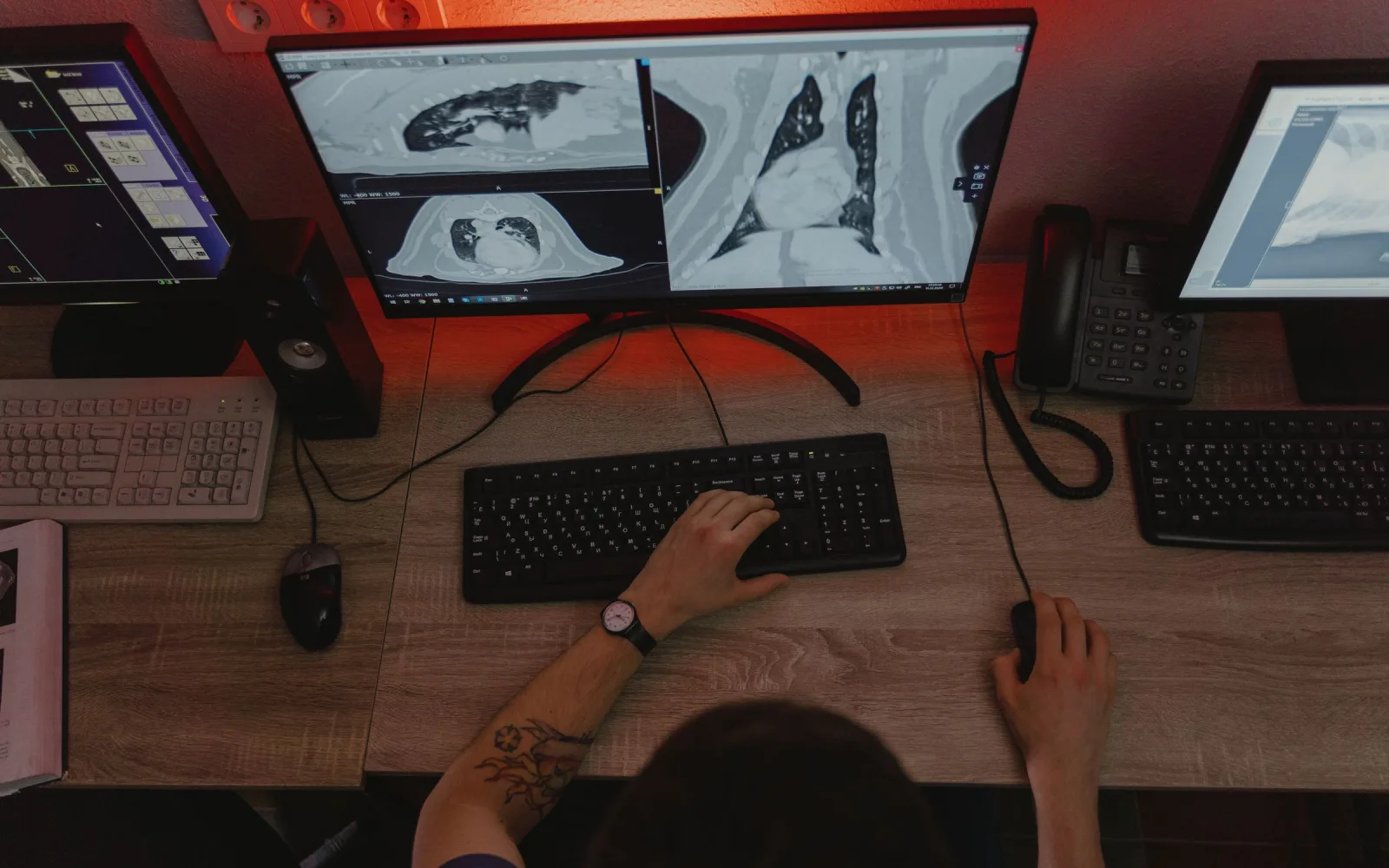
A thin flexible tube called a catheter is passed into an artery, usually at the groin or the wrist, and steered up to the liver under live imaging, called fluoroscopy, which uses X-rays. Dye is injected to show the arteries. The team then places treatment in the branch that feeds the tumour.
In TACE, a chemotherapy medicine is delivered together with tiny particles that block the artery. In bland embolization, particles are used without the medicine. Another form, radioembolization, uses tiny radioactive beads and needs specialised facilities and planning.
Who is it considered for?
Transarterial treatment is considered for selected people whose tumour cannot be removed by surgery or treated by ablation alone. It is often used for liver cancer that starts in the liver, and sometimes for tumours that have spread to the liver from elsewhere.
The liver has to be working well enough to cope with a reduced blood supply. The team checks this with blood tests such as bilirubin and albumin, for example in a liver function panel, and looks at scans for signs such as a blocked portal vein. People with poor liver function or a blocked main portal vein may be advised against it.
The kidneys matter too, because the dye used to show the arteries is cleared by the kidneys. Your doctor may ask for a kidney function panel beforehand.
What to expect afterwards
Many people develop post-embolization symptoms within hours: pain in the upper right abdomen, nausea or vomiting, fever and tiredness. They come from the treated tumour and nearby liver tissue losing their blood supply. They usually settle over several days, though tiredness can last longer, and medicines are given to ease them.
Treatment is often given in sessions, with scans in between to see how the tumour has responded. Your specialist decides how many sessions are needed.
A fever that is high or lasts beyond the first days needs to be checked, because it can mean an infection rather than the usual reaction. The team gives you written advice on the warning signs.
What the treatment can and cannot do
The aim is to control a tumour that cannot be removed, to slow its growth or shrink it, or to bring it within reach of another treatment. It does not remove the whole tumour in every case, and it is often one part of a longer plan.
The risks to know about before you consent:
- Liver damage: liver function can worsen, which is a particular concern when the liver is already scarred or weak.
- Infection: an abscess in the treated area, or inflammation of the gallbladder.
- Treatment reaching the wrong place: particles can occasionally lodge in a nearby artery and damage the stomach, gallbladder or another organ.
- Dye and kidneys: an allergic reaction to the dye, or strain on the kidneys.
- Puncture site: bruising, bleeding or a damaged artery at the groin or wrist.
- Medicine effects: some of the chemotherapy reaches the rest of the body, so nausea, tiredness or a fall in blood counts can occur.
Your own risks depend on your liver and general health. The team explains them before asking for your consent.
Why a team makes the decision, and where it is done
Transarterial treatment is decided by a team: usually a liver specialist or oncologist, a surgeon where relevant, and an interventional radiologist. They compare it with ablation, surgery, drug treatment and radiotherapy for your particular tumour.
At our centre, the team reviews your referral, scans and reports first and checks which tests are missing. The detailed scan of the liver and its arteries is usually a CT or MRI. We do not offer CT or MRI scans, so your doctor advises where to get it done, and we can review the images.
After that review, we confirm whether the procedure is carried out at the centre or elsewhere, and by whom. If the tumour is pressing on the bile ducts, a different procedure such as biliary stenting may be needed first or alongside.
From referral to follow-up
-
1
Send your records
Message or call the centre with the referral, the scan images and reports, blood tests and a list of your medicines.
-
2
Case review
The team reviews them and tells you what else is needed. It then confirms where the procedure can be carried out, and by whom.
-
3
Assessment before treatment
The treating team checks liver and kidney function, blood counts and clotting. The doctor explains the plan and the risks, and takes your consent.
-
4
The procedure
The catheter is passed through an artery at the groin or wrist to the liver. Treatment is delivered in the branch feeding the tumour. The team tells you what sedation or anaesthesia it plans to use.
-
5
Observation
You are watched for pain, nausea, fever and bleeding at the puncture site. The team tells you how long you need to lie still and how long you will be observed.
-
6
Follow-up
A scan and blood tests some weeks later show how the tumour has responded. Your specialist decides whether another session is needed.
Preparation and aftercare
Before your visit
- Expect to fast before the procedure. The team doing it gives exact instructions.
- Bring recent blood tests, including liver function, kidney function and clotting.
- Tell the team about allergies, especially to scan dye or iodine, and about diabetes and kidney disease.
- Do not change any medicine yourself. Blood thinners and some diabetes tablets may need a plan around the procedure, which the treating doctor will give you.
- Plan for someone to stay with you, as you will be observed for some time afterwards.
Please bring
- Referral and clinic notes
- Scan images and reports
- Recent blood test reports
- List of current medicines
After your visit
- Drink fluids as advised, which helps the kidneys clear the dye.
- Rest, and avoid strenuous activity until the team says otherwise.
- Take the prescribed medicines for pain, nausea and fever on time. Do not use other medicines without asking.
- Keep the puncture site clean and dry, and avoid straining or heavy lifting for as long as the team advises.
- Keep your follow-up scans and blood tests.
Warning signs after the procedure
Contact the treating team, or go to the nearest hospital emergency department, if you have any of these.
- A fever higher than the team told you to expect, or fever with shivering after the first few days.
- Pain that is severe or keeps getting worse, or a hard, swollen abdomen.
- Vomiting that you cannot control, vomiting blood, or black stools.
- Yellow eyes or skin, confusion or unusual drowsiness.
- Swelling, bleeding or a lump at the groin or wrist, or a cold, pale or numb limb.
- Chest pain or breathlessness.
Transarterial Liver Tumour Treatment: common questions
What does TACE stand for?
TACE stands for transarterial chemoembolization. Transarterial means through an artery. Chemo means a chemotherapy medicine is used. Embolization means tiny particles block the artery that feeds the tumour.
Is TACE the same as chemotherapy?
No. Chemotherapy given through a vein travels around the whole body. In TACE the medicine goes into the artery feeding the tumour, together with particles that block it. The treatment is aimed at the tumour, though some medicine does reach the rest of the body.
How is TACE different from ablation?
Ablation heats a tumour with a needle and suits small tumours. TACE works through the blood supply and can treat larger tumours, or more than one in the liver. Which fits depends on the tumour and the liver.
How long will I be observed afterwards?
The team doing the procedure decides. Observation after a transarterial procedure is usual, and how long it lasts depends on pain, nausea, fever and the setting where the procedure is done. You are told what to expect in advance.
How many sessions of TACE are needed?
It varies. Some people have one session and others have several, with scans in between. Your specialist decides after seeing how the tumour has responded on the follow-up scan.
Can TACE cure liver cancer?
On its own, TACE does not usually cure liver cancer. The aim is more often to control the tumour, or to shrink it so another treatment becomes possible. Results vary, and your specialist sets the aim for you. No one can promise an outcome.
Do you do TACE at your centre in Lucknow?
The team will tell you after reviewing your referral, scans and reports. We then confirm whether the procedure is carried out at the centre or elsewhere, and by whom.
What tests should I have before TACE?
Doctors usually ask for blood tests of liver function, kidney function, blood counts and clotting, and a recent CT or MRI of the liver. Our centre has neither a CT nor an MRI scanner. For the blood tests, send the prescription to our pathology lab and the team will confirm which tests can be done at the centre.
Related services
Tests and care that often go together
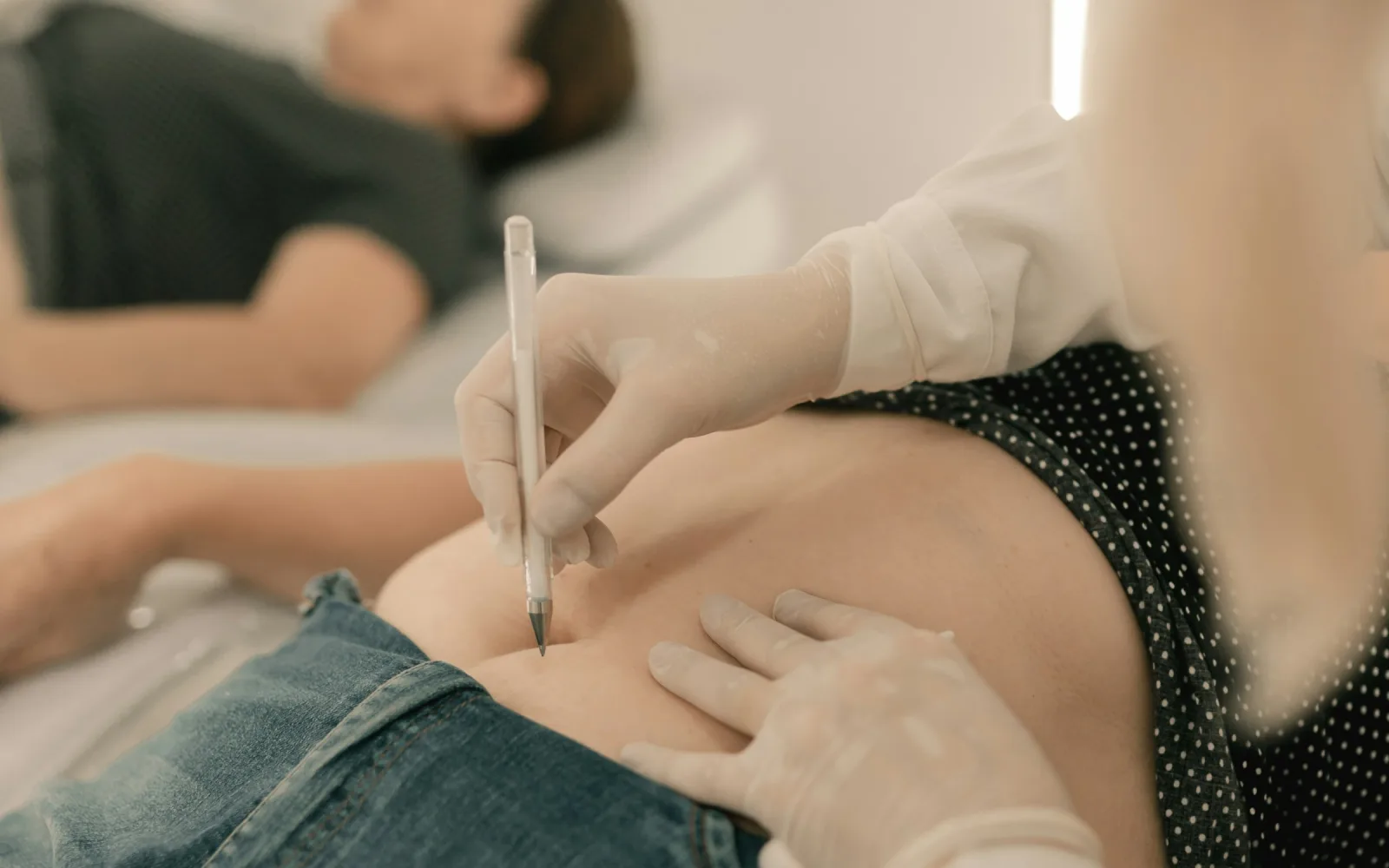
Liver Tumour Ablation
Heat treatment through a needle for small tumours.
Learn more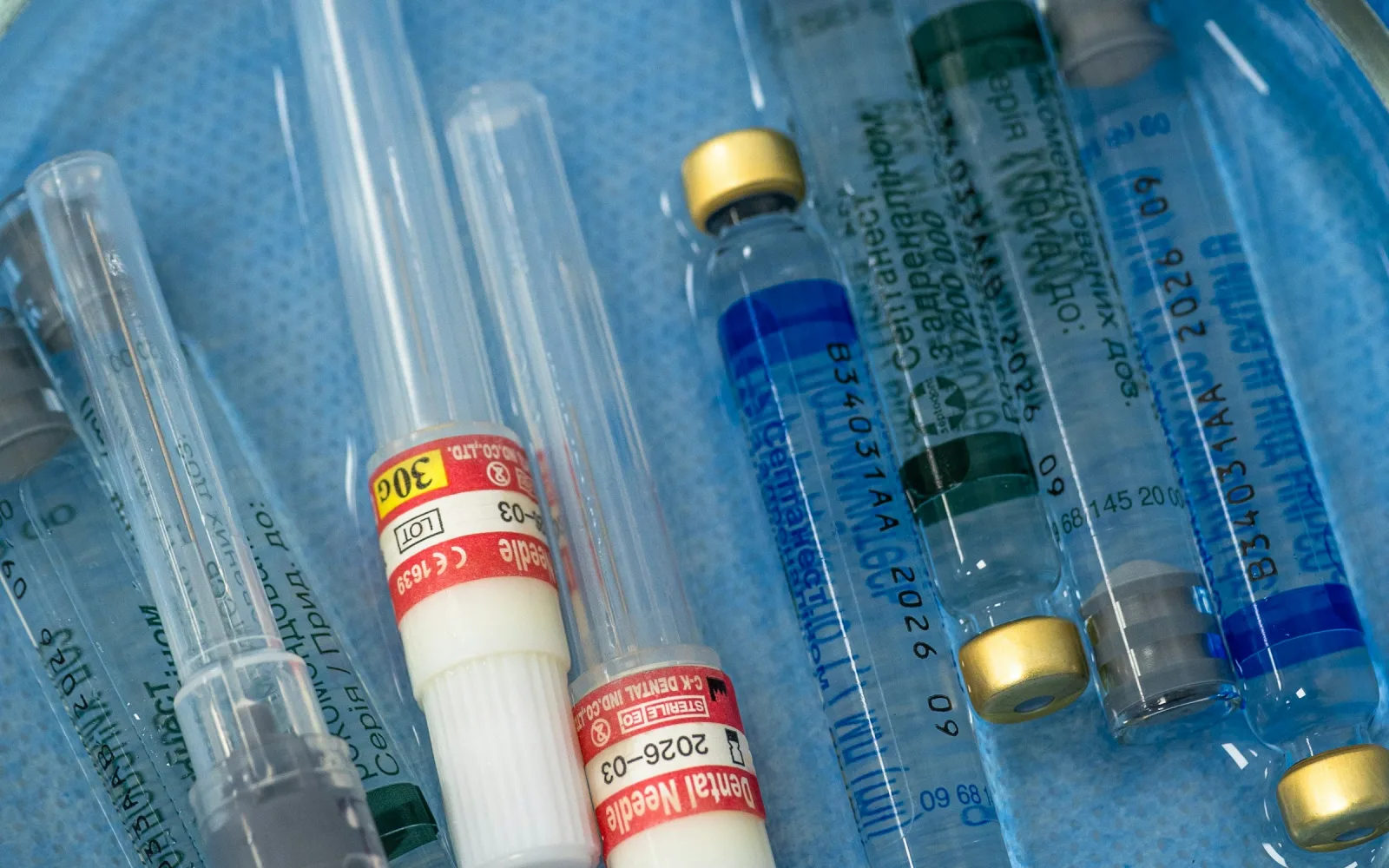
Image-Guided Biopsy
Sampling a tumour when the diagnosis is unclear.
Learn more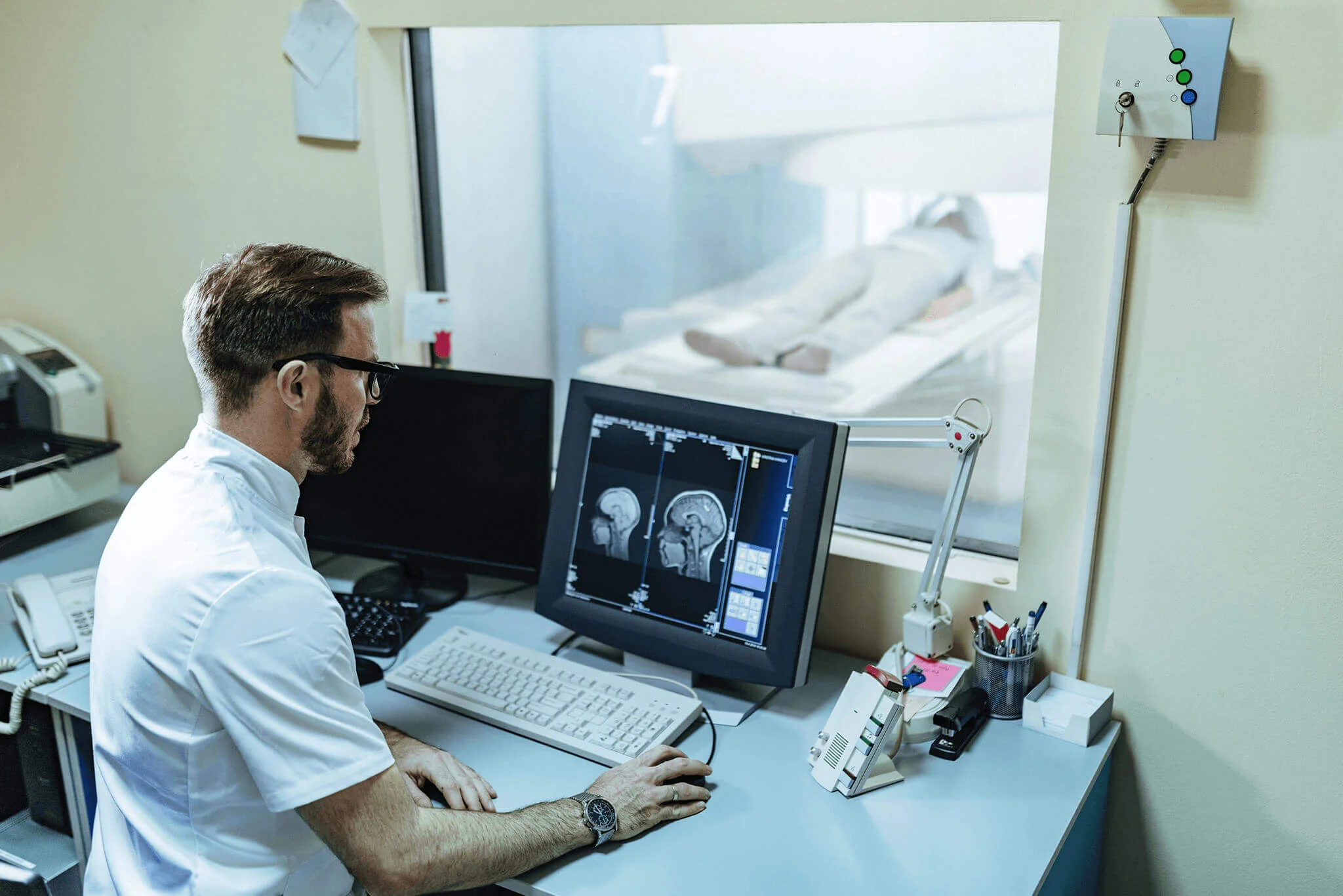
Biliary Stenting
For bile ducts blocked by a tumour.
Learn more
Liver Health Package
Checks liver function before treatment is planned.
Learn moreAppointments
Ask about Transarterial Liver Tumour Treatment in Gomti Nagar, Lucknow
Send your prescription and any earlier reports on WhatsApp or call the centre. The team reviews them and tells you the next step.
4/12, Vijayant Khand, Gomti Nagar · 0522-3180995
