Interventional Radiology • Gomti Nagar
Parathyroid Ablation in Lucknow
Parathyroid ablation uses ultrasound-guided heat to destroy one overactive parathyroid gland. Surgery is the usual treatment, so ablation is for a few carefully chosen people, after calcium and PTH tests.
- Vijayant Khand, Gomti Nagar, Lucknow
- Mon to Sat 9 AM to 8 PM, Sun 10 AM to 2 PM
- Confirmed by
- Blood calcium and PTH tests
- Located by
- Neck ultrasound and other scans
- Usual treatment
- Surgery by a specialist
- Where done
- Confirmed after case review
What do the parathyroid glands do, and what goes wrong?
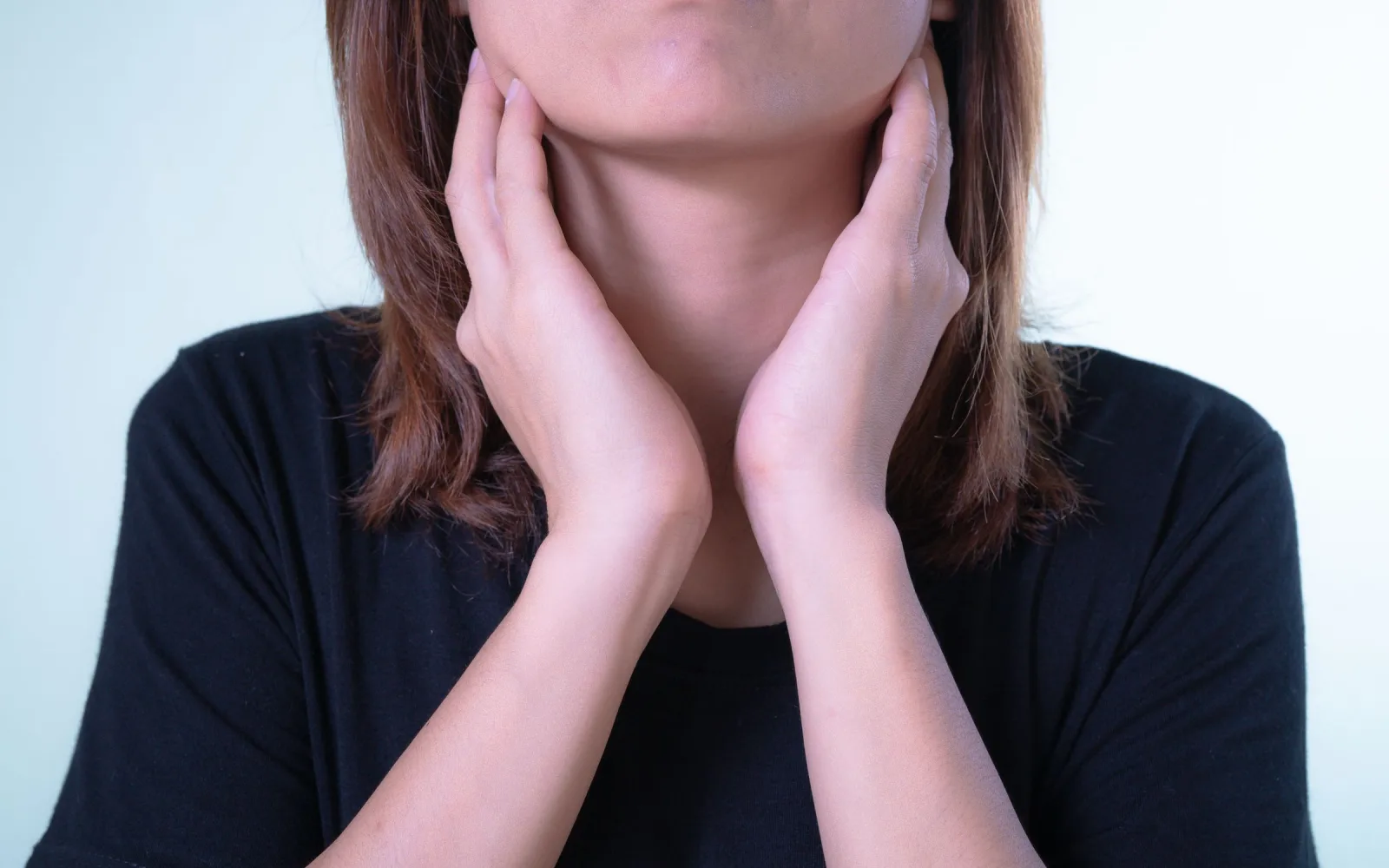
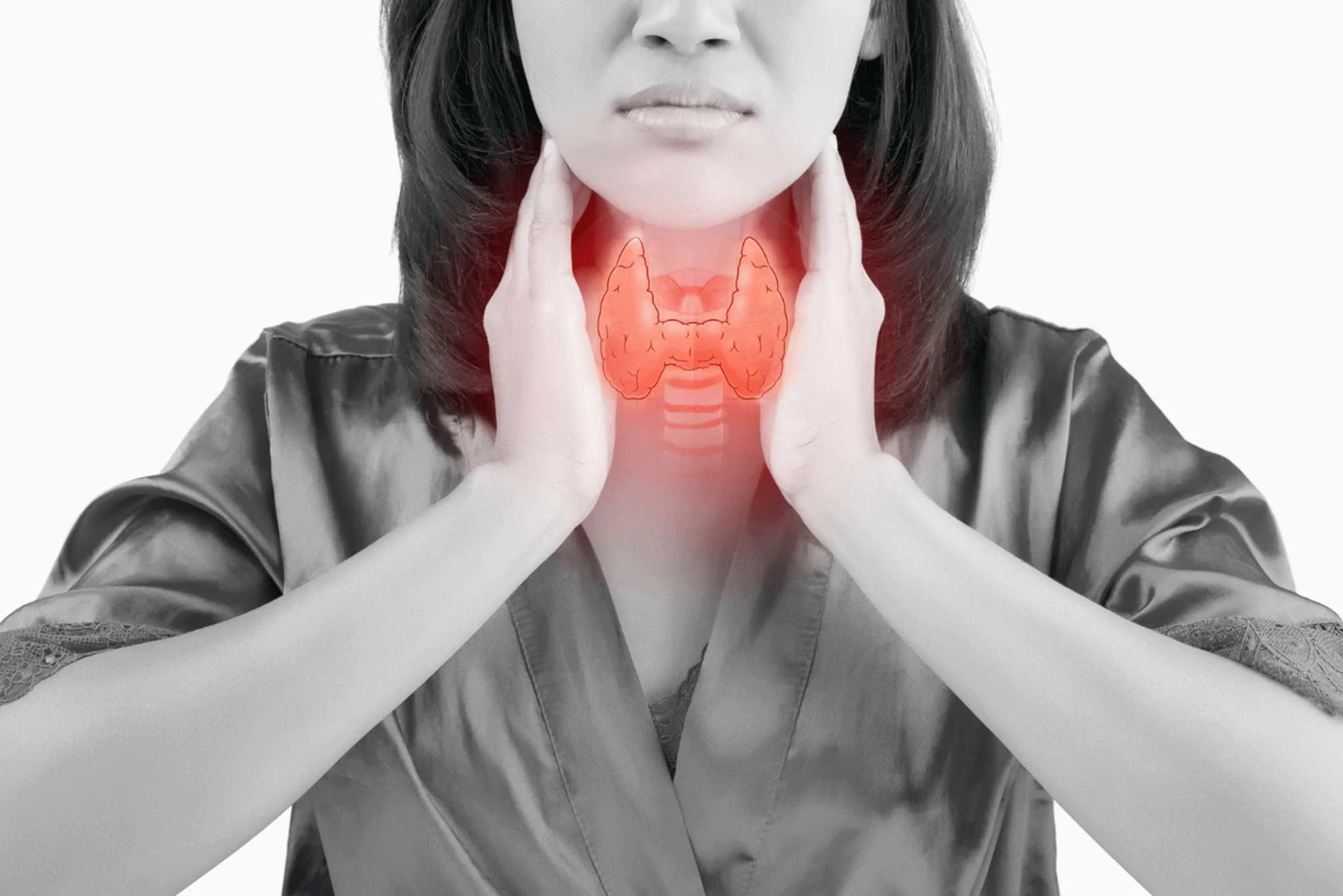
The parathyroids are four small glands, each about the size of a grain of rice, that lie behind the thyroid in the neck. They are not part of the thyroid. They make a hormone known as PTH, which keeps the calcium in your blood within a narrow range.
In primary hyperparathyroidism, one gland makes too much PTH. Calcium in the blood rises and more is drawn out of the bones. Many people have no symptoms, and the problem is found on a routine blood test. Others notice the following.
- Kidney stones.
- Thinning of the bones, bone pain or fractures.
- Tiredness, muscle weakness, low mood or poor concentration.
- Thirst, passing a lot of urine, constipation or stomach pain.
The blood tests and scans that decide the plan
The diagnosis rests on blood tests, and scans come after. A raised calcium with a high or high-normal PTH points to primary hyperparathyroidism. A raised PTH can also be a response to low vitamin D or kidney disease, which is a different problem, so the cause needs sorting out first.
- Serum calcium, often repeated, because one reading can mislead.
- PTH, the hormone these glands release.
- Vitamin D, since low vitamin D can raise PTH for another reason.
- Kidney function, since kidney disease can also raise PTH.
- Neck ultrasound, to look for an enlarged gland. If ultrasound is unclear, doctors may use other scans.
Our parathyroid package brings together PTH, serum calcium, vitamin D3, a thyroid profile and a neck ultrasound, all tests that doctors commonly ask for. Ultrasound cannot show every parathyroid gland, so a normal scan does not rule the problem out.
Why surgery is the usual treatment
Surgery to remove the overactive gland is the standard treatment for primary hyperparathyroidism, and the one with the longest record. A surgeon removes the abnormal gland, often through a small cut, and calcium usually falls to normal soon afterwards. Most people with symptoms, kidney stones, bone loss or a very high calcium are advised to have it.
Doctors do not always operate straight away. If calcium is only mildly raised and you have no symptoms, no stones and healthy bones, regular blood tests and bone checks are an option. Medicines can help control calcium or protect bones in some people, but they do not remove the cause.
Where ablation fits in
Ablation is an option for a small group, such as people with one clearly seen adenoma who cannot have surgery or do not want it. Under ultrasound, a needle is placed into the gland through the skin, and heat or alcohol is used to destroy it. The neck is numbed and the person stays awake.
It is less established than surgery, and the evidence behind it is smaller. It works only if the right gland is found and fully treated. A gland may be treated incompletely, calcium may stay high, and surgery may still be needed later.
Ablation does not suit disease that affects more than one gland. Overactive glands caused by long-term kidney disease, called secondary hyperparathyroidism, are a different problem. The kidney doctor usually manages them, first with medicines.
Risks and limits of parathyroid ablation
Treatment can lower calcium, but it is not certain to bring it to normal, and it may have to be repeated. The main risks are these.
- A weak or husky voice if the nerve to the voice box is irritated, usually for a short time.
- Low calcium after treatment, called hypocalcaemia, causing tingling around the mouth or in the fingers, or cramps. Blood calcium is checked afterwards for this reason.
- Pain, bruising or bleeding in the neck, and rarely a collection of blood that presses on the windpipe.
- Heat damage to nearby structures such as the thyroid, windpipe or skin.
- Incomplete treatment of the gland, so that calcium stays high.
- Infection, which is rare.
From blood tests to follow-up
-
1
Blood tests
Serum calcium, PTH, vitamin D and kidney function are checked, often more than once.
-
2
Neck ultrasound
A neck ultrasound looks for an enlarged gland. If it is unclear, your doctor may advise other scans.
-
3
Specialist opinion
An endocrinologist or surgeon explains the choice between surgery, watching and ablation.
-
4
Review by our team
We read your referral, tests and scans and confirm whether ablation is advisable and where it would take place.
-
5
Treatment and follow-up
If ablation goes ahead, it is done under ultrasound. Calcium and PTH are checked afterwards at intervals set by your doctor.
Preparation and aftercare
Before your visit
- Bring every calcium, PTH, vitamin D and kidney report you have, with dates, because the trend matters.
- Tell the team about calcium and vitamin D supplements, antacids and water tablets. Do not stop prescribed medicines unless your doctor tells you to.
- The neck ultrasound needs no fasting. Fasting rules for blood tests are confirmed when you book.
- If ablation goes ahead, you receive separate instructions about food and medicines for the day.
Please bring
- Your doctor's referral
- Calcium, PTH, vitamin D and kidney reports
- Neck ultrasound and any other scan reports
- Reports of earlier kidney stones or bone problems, if any
- A list of your medicines and supplements
After your visit
- A sore neck is common for a few days. Take only the pain relief your doctor has advised.
- Tell the team if your voice changes or swallowing becomes difficult.
- Report tingling around the mouth or in the fingers, or muscle cramps, to the team the same day.
- Have the calcium and PTH tests repeated when you are told to.
- Take calcium or vitamin D only as your doctor prescribes.
Who might be considered, and where the procedure is done
The decision belongs with an endocrinologist or endocrine surgeon, and with you. Ablation is usually thought about only when the calcium and PTH tests clearly show primary hyperparathyroidism, the scans agree on one gland, and surgery is not suitable or not wanted after a full discussion.
The team reads your referral, blood tests and scans before any plan is made. Only then does the team say whether ablation can be carried out at our centre or elsewhere, and who would perform it. If surgery is the better route, the team tells you so plainly. The interventional radiology page lists other image-guided procedures.
When to get help
Tell the treating team the same day about any of these. Where an emergency department is named, go there at once.
- Tingling or numbness around the mouth or in the hands and feet, or muscle cramps and spasms.
- A neck that swells quickly, feels tight or makes breathing noisy. Go to an emergency department.
- A voice that turns hoarse or weak, or coughing and choking when you drink.
- A temperature, or a needle site that turns red and hot or starts to leak.
- At any time, severe thirst with heavy urination, confusion, drowsiness, vomiting or severe stomach pain. These can be signs of dangerously high calcium. Go to an emergency department.
Parathyroid Ablation: common questions
What is the difference between thyroid and parathyroid?
The thyroid is a larger gland that controls the body's metabolism. The four tiny parathyroid glands behind it control calcium. They are neighbours, but a problem in one does not mean a problem in the other. For lumps in the thyroid itself, see thyroid nodule ablation.
Which blood tests show a parathyroid problem?
Serum calcium and PTH are the main tests, read together with vitamin D and kidney function. A high calcium with a high or high-normal PTH points to an overactive gland. Your doctor may repeat the tests before deciding anything.
Can ultrasound see a parathyroid adenoma?
Often, but not always. A neck ultrasound can show an enlarged gland, but small glands and glands deep in the neck can be missed. A normal scan does not rule the problem out. Your doctor may advise other scans, which are done elsewhere, such as a nuclear scan.
Is surgery or ablation better for a parathyroid adenoma?
Surgery is the standard treatment and has the longest record. Ablation is a newer option for a small, selected group, for example someone who cannot have surgery. It is less established, so it is an alternative to discuss with an endocrinologist or surgeon, not a first choice.
Do I need treatment if I have no symptoms?
Not always. A mildly raised calcium without symptoms, stones or bone loss can sometimes be followed with regular blood tests and bone checks. Your doctor decides, using your age, kidney function and the state of your bones. Do not ignore a high calcium result, even if you feel well.
What happens to calcium after treatment?
Calcium usually starts to come down in the days after a successful treatment. It can also fall too low, causing tingling or cramps, so blood calcium is checked afterwards. Take calcium or vitamin D only as prescribed. A repeat test some months later shows whether calcium stays normal.
Who should I see first if my calcium is high?
See your physician or an endocrinologist. They will repeat the calcium, check PTH, vitamin D and kidney function, and decide on scans. Send us the referral when imaging or a procedure is advised, and our pathology lab can repeat blood tests if you need them.
Where can I get parathyroid tests and a neck ultrasound in Lucknow?
The neck ultrasound and the blood tests in the parathyroid package are available at our centre at Vijayant Khand, Gomti Nagar. If your specialist suggests ablation, send the reports first. The team reads them and then tells you whether the procedure can be done here or elsewhere.
Related services
Tests and care that often go together
Parathyroid Health Package
PTH, calcium, vitamin D and a neck scan together.
Learn more
Thyroid Nodule Ablation
For benign lumps in the thyroid itself.
Learn more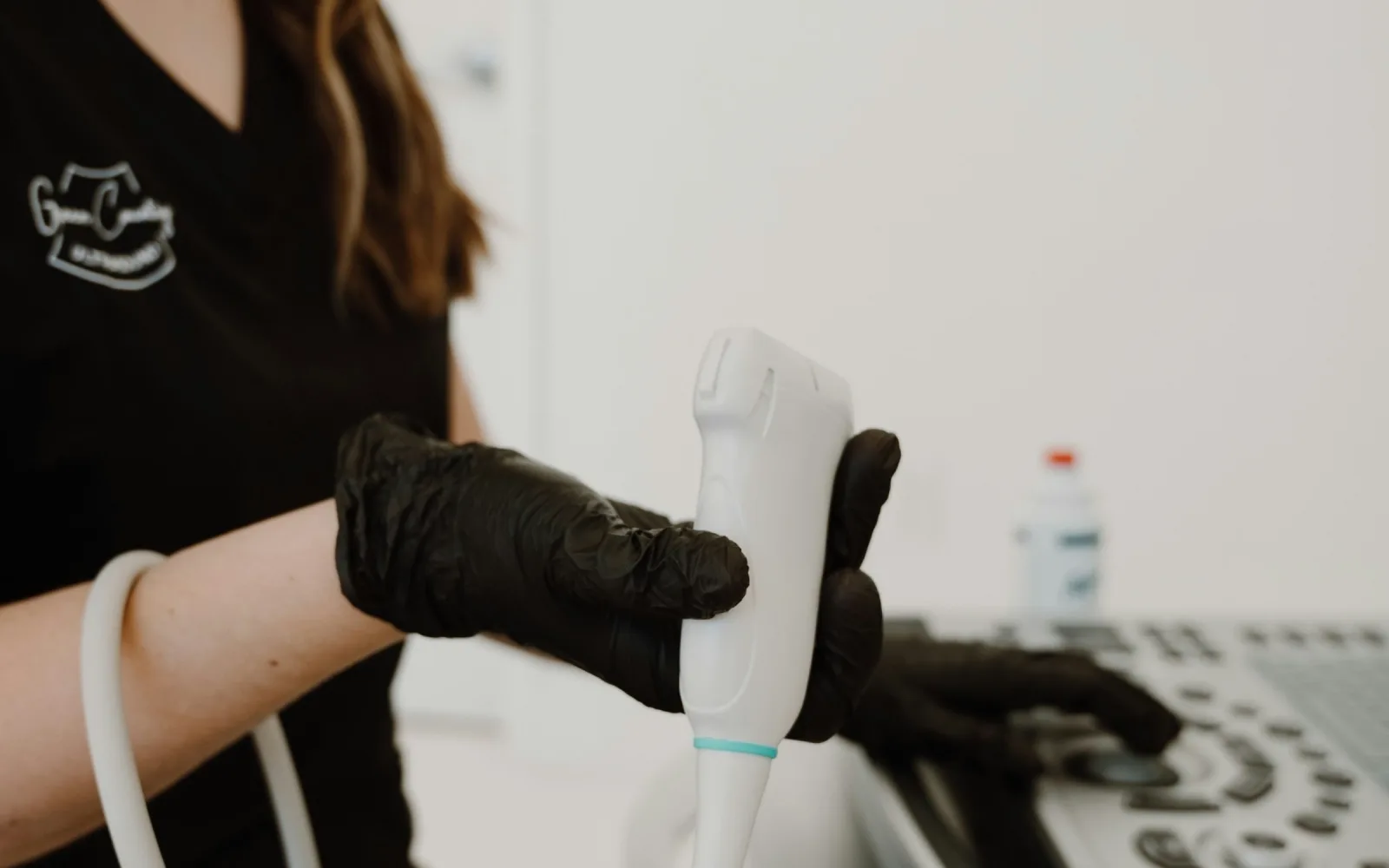
Ultrasound
Neck ultrasound without radiation.
Learn more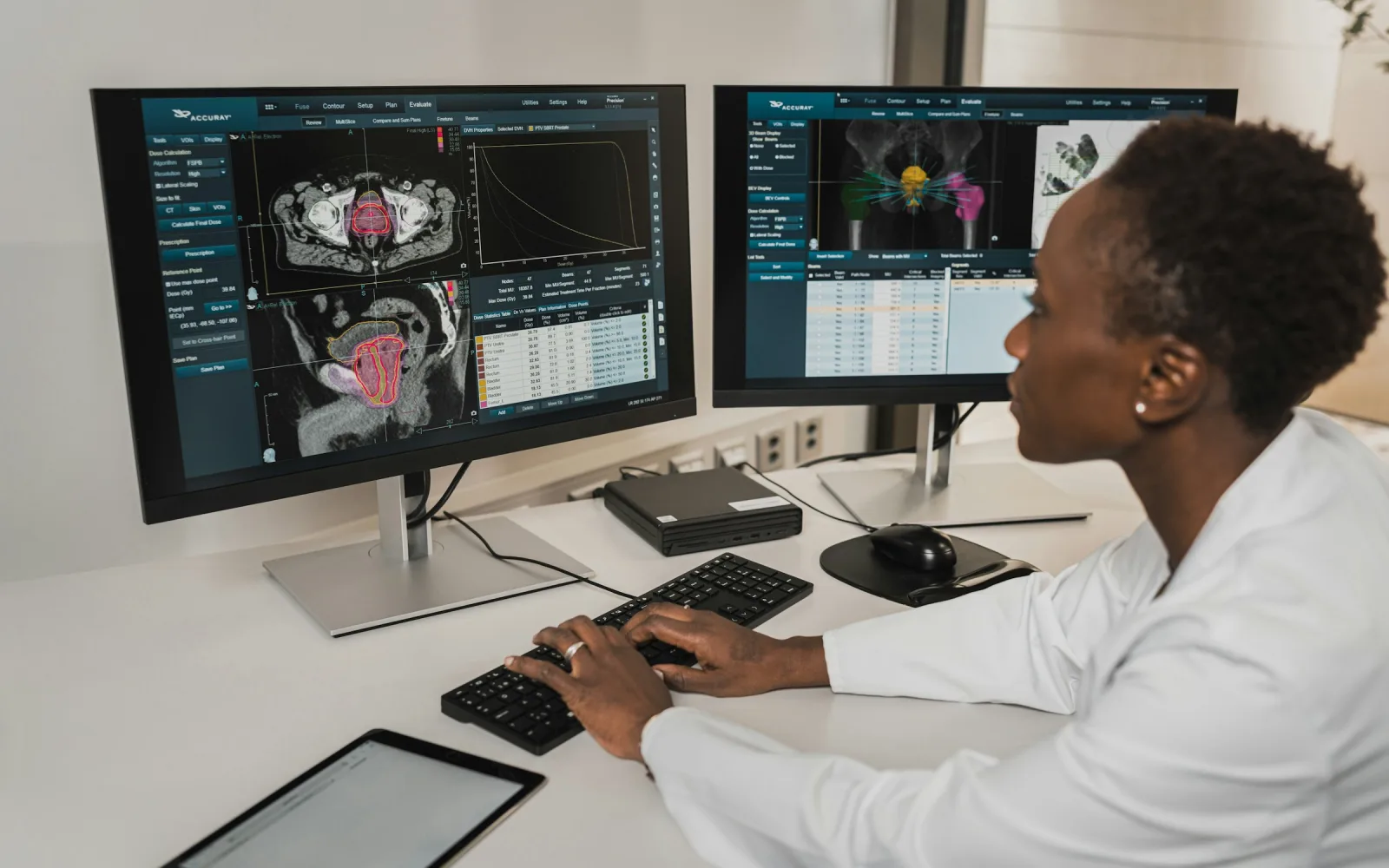
Interventional Radiology
Image-guided sampling, drainage, vessel and ablation procedures, planned after a specialist review.
Learn moreAppointments
Ask about Parathyroid Ablation in Gomti Nagar, Lucknow
Send your prescription and any earlier reports on WhatsApp or call the centre. The team reviews them and tells you the next step.
4/12, Vijayant Khand, Gomti Nagar · 0522-3180995
